
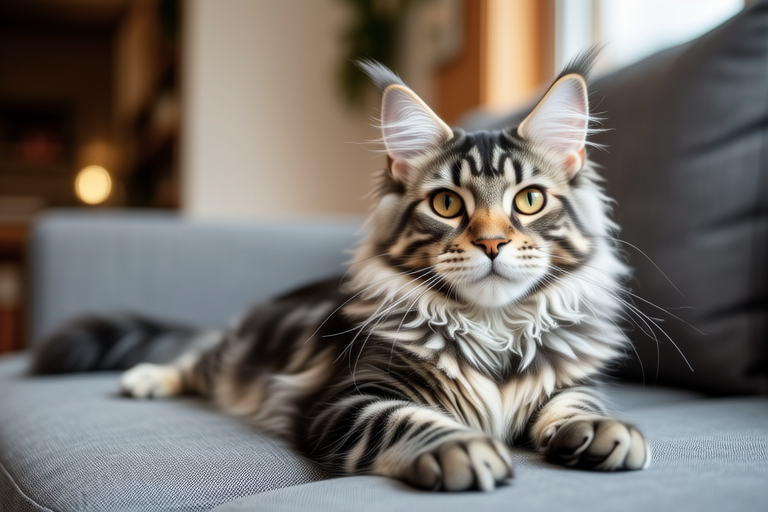
Adopting a Devon Rex: What You Need to Know Before Bringing Home Your New Buddy
Welcome to the fascinating world of Devon Rex cats! Known for their striking appearance and playful demeanor, these unique felines are sure to bring joy and companionship into your life. With their large ears, wavy fur, and mischievous expressions, Devon Rexes are not just another breed; they are one-of-a-kind companions that can quickly become a beloved member of your family.
Introduction: The Unique Characteristics of Devon Rex Cats
Devon Rex cats are often referred to as the “pixies” of the cat world due to their elf-like features and playful personalities. Their short, curly coats and distinctive facial structure make them stand out from other breeds. One of the most striking features of the Devon Rex is its wavy coat, which is caused by a genetic mutation. This makes their fur feel incredibly soft, almost suede-like, and can vary in texture from silky to slightly rough.
Devon Rexes are known for their high energy levels and curious nature. They are always eager to explore and play, making them ideal companions for active individuals or families. Their intelligence also sets them apart, as they are quick learners and can be trained to perform tricks or fetch toys. Additionally, their affectionate nature means they will often seek out human interaction, following you around the house and even climbing onto your lap for cuddles.
The Origin of Devon Rex Cats
The Devon Rex breed originated in England during the mid-20th century. In 1960, a British woman named Beryl Cox discovered a curly-coated kitten in a field near Buckfastleigh, Devon. This kitten, named Kirlee, was the result of a spontaneous genetic mutation. Kirlee’s offspring exhibited similar traits, leading to the development of the Devon Rex breed.
While Kirlee was the first documented Devon Rex, other instances of curly-coated cats have been reported throughout history. However, it wasn’t until the 1960s that dedicated breeding programs were established to develop and stabilize the breed. Today, Devon Rex cats are recognized by various cat registries worldwide and are cherished for their distinct appearance and charming personalities.
Temperament: A Playful and Affectionate Companion
Devon Rex cats are renowned for their playful and affectionate nature. They are highly social animals that thrive on human interaction and companionship. These cats are often described as being more dog-like in their behavior, as they enjoy following their owners around the house and participating in activities.
Devon Rexes are known for their intelligence and curiosity, which can lead to some mischievous behavior. They are natural explorers and love to investigate every nook and cranny of their environment. Providing them with plenty of toys and stimulating activities can help keep them entertained and prevent boredom-related mischief.
Despite their playful nature, Devon Rexes are also very affectionate and enjoy being close to their owners. They are often found snuggling up next to their humans or sitting on laps for attention. Their gentle demeanor and loving nature make them excellent companions for children and other pets.
Grooming Needs: Minimal Effort for Maximum Shine
One of the great advantages of owning a Devon Rex cat is their low-maintenance grooming requirements. Due to their short, wavy coat, Devon Rexes shed less than many other cat breeds. However, regular brushing is still recommended to maintain their coat’s condition and remove any loose hairs.
It is important to use a soft-bristled brush specifically designed for cats when grooming a Devon Rex. Gently brush their coat once or twice a week to prevent matting and distribute natural oils. Additionally, bathing your Devon Rex may be necessary if they get particularly dirty or if they have any skin conditions. Use a mild, pH-balanced shampoo and ensure thorough rinsing to avoid irritation.
Aside from their coat, Devon Rexes also require regular nail trimming and dental care. Trim their nails every few weeks to prevent overgrowth and discomfort. Brush their teeth regularly or provide them with dental treats to promote good oral hygiene.
Health Considerations: Common Issues and Preventative Care
While Devon Rex cats are generally healthy, there are a few health issues that potential owners should be aware of. Like all purebred cats, Devon Rexes are prone to certain genetic conditions. One of the most common issues is hereditary keratinization disorder (HKD), which affects the skin and causes dryness and flakiness. Regular grooming and moisturizing treatments can help manage this condition.
Another concern is patellar luxation, a condition where the kneecap dislocates. This can cause lameness and discomfort. Early intervention and supportive care are essential for managing this condition. Regular veterinary check-ups are crucial for early detection and treatment of any potential health issues.
To ensure your Devon Rex stays healthy, provide them with a balanced diet, plenty of fresh water, and routine veterinary care. Schedule annual check-ups and vaccinations, and consult with your veterinarian about any supplements or preventative medications that may be necessary.
Dietary Requirements: Nourishing Your Devon Rex
A well-balanced diet is essential for maintaining your Devon Rex’s health and vitality. Choose a high-quality cat food that meets their nutritional needs. Look for products that are rich in protein, vitamins, and minerals. Wet food can be particularly beneficial for hydration, especially if your cat does not drink enough water.
Feed your Devon Rex according to the manufacturer’s guidelines, adjusting portions based on their activity level and weight. Avoid feeding them table scraps or human foods, as these can be harmful and lead to obesity. Treats should be given sparingly and as part of a balanced diet.
Ensure your Devon Rex has access to clean, fresh water at all times. Some cats prefer running water, so consider investing in a water fountain to encourage drinking.
Exercise Preferences: Keeping Your Devon Rex Active
Devon Rex cats are energetic and require regular exercise to stay healthy and happy. Provide them with plenty of toys and interactive games to stimulate their minds and bodies. Puzzle feeders and treat-dispensing toys can keep them engaged while also providing mental stimulation.
Interactive playtime with your Devon Rex is also important. Spend at least 15-20 minutes each day playing with them using feather wands, laser pointers, or other toys that encourage movement. This not only helps burn off excess energy but also strengthens your bond with your cat.
Consider setting up climbing structures or shelves for your Devon Rex to explore and climb. This provides both physical exercise and mental stimulation, keeping them entertained and preventing boredom.
Preparing Your Home for a New Pet
Before bringing your Devon Rex home, it’s important to prepare your living space to ensure a smooth transition. Start by creating a designated area for your cat, complete with a comfortable bed, litter box, food and water bowls, and toys. Place these items in a quiet, easily accessible location.
Cat-proof your home by securing any hazardous items or substances and covering electrical outlets. Remove any small objects that could be swallowed and ensure curtains and blinds are secure. Provide scratching posts and pads to prevent furniture damage.
Gradually introduce your Devon Rex to their new environment, allowing them to explore at their own pace. This will help them feel safe and secure in their new home.
Introducing Your Devon Rex to Other Pets or Family Members
If you already have other pets or children in your household, it’s important to introduce your new Devon Rex carefully. Begin by allowing them to smell and hear each other through a closed door before any direct contact. Gradually increase the amount of time they spend together under supervision.
Children should be taught how to handle and interact with the cat gently and respectfully. Supervise all interactions to ensure everyone’s safety and comfort. Patience and positive reinforcement can help foster harmonious relationships between your Devon Rex and other household members.
Common Behaviors Specific to Devon Rexes
Devon Rex cats exhibit several behaviors that are characteristic of the breed. One of the most notable is their love for climbing and perching. They enjoy sitting in high places, such as windowsills or on top of bookshelves, to survey their surroundings. Providing them with climbing structures and perches can satisfy this natural instinct.
Another common behavior is their tendency to mimic human actions. They may follow you around the house, copy your movements, or even try to turn off lights or open doors. While this can be amusing, it’s important to redirect their attention to appropriate activities when necessary.
Devon Rexes are also known for their vocalizations. They often chirp, trill, or meow to communicate with their owners. Learning to understand these sounds can help you better interpret your cat’s needs and desires.
Ongoing Care and Support for New Owners
As a new owner, it’s important to continue learning about your Devon Rex and their specific needs. Joining a local cat club or online forum can provide valuable support and advice from experienced owners. Many clubs offer resources, events, and opportunities to connect with other Devon Rex enthusiasts.
Your veterinarian is also a valuable resource for ongoing care and support. They can provide guidance on nutrition, grooming, and health maintenance. Don’t hesitate to reach out with any questions or concerns about your cat’s well-being.
Finally, consider enrolling in a pet insurance plan to help cover unexpected medical expenses. This can provide peace of mind and ensure your Devon Rex receives the best possible care.