
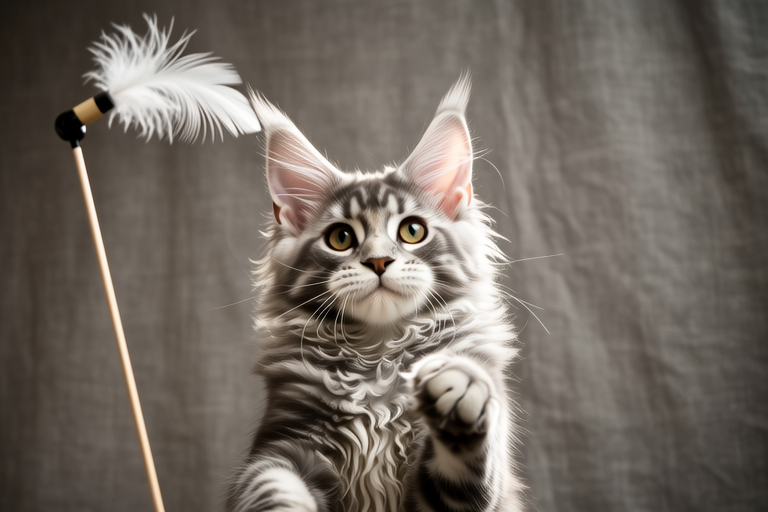
Devon Rex Cats: The Playful and Affectionate Feline Breed
Welcome to the fascinating world of Devon Rex cats! Known for their unique appearance and engaging personalities, these cats have captured the hearts of many cat enthusiasts around the globe. Their distinctive curly coats, large ears, and slender bodies set them apart from other breeds, making them one of the most recognizable felines. In this article, we will delve into the physical characteristics, temperament, intelligence, adaptability, grooming needs, and common health issues of Devon Rex cats. We’ll also provide valuable tips for potential owners to ensure that these delightful creatures thrive in their new homes.
Physical Characteristics of Devon Rex Cats
The first thing you’ll notice about a Devon Rex is its striking appearance. These cats boast a curly coat that is short, soft, and velvety to the touch. Unlike other breeds, the Devon Rex’s coat lacks guard hairs, which are the longer, coarser hairs that protect the undercoat. This gives their fur a unique texture and makes them feel like little plush toys. Their curly coat comes in a wide variety of colors and patterns, including solid, tabby, tortoiseshell, and bi-color, adding to their charm.
In addition to their curly coats, Devon Rex cats are known for their large, expressive ears. Set high on their heads, these ears give them an almost elf-like appearance. They are highly sensitive and can detect even the slightest sounds, making Devon Rex cats excellent hunters. Their ears are often adorned with tufts of fur, further enhancing their unique look.
Devon Rex cats have slender, muscular bodies that are proportionate to their size. They are medium-sized cats, typically weighing between 6 to 9 pounds. Their long legs and deep chests give them a graceful, elegant appearance. Despite their slim build, Devon Rex cats are incredibly agile and acrobatic, capable of leaping great distances and performing impressive feats of athleticism.
Temperament: Affectionate, Curious, and Mischievous
One of the most endearing qualities of Devon Rex cats is their affectionate nature. They are known for forming strong bonds with their human companions and enjoy spending time with them. Devon Rex cats are often referred to as “Velcro cats” because they tend to stick close to their owners, following them from room to room and seeking out attention whenever possible. They are particularly fond of being petted, especially on their backs and bellies, and will often purr contentedly when receiving affection.
Besides their affectionate nature, Devon Rex cats are highly curious and intelligent. They love to explore their surroundings and are always on the lookout for new experiences. Their curiosity often leads them to investigate every nook and cranny of their environment, whether it’s climbing onto high shelves or peeking inside closed drawers. This natural curiosity makes Devon Rex cats excellent problem-solvers, and they enjoy interactive toys and puzzles that challenge their minds.
While Devon Rex cats are generally friendly and social, they can also be quite mischievous at times. Their playful nature and boundless energy can lead to some unexpected behavior, such as knocking items off tables or opening cabinet doors. However, this mischievousness is usually harmless and adds to their charm. Owners of Devon Rex cats should be prepared for some playful antics and may need to kitten-proof their homes to prevent any accidental damage.
Intelligence and Adaptability
Devon Rex cats are known for their high intelligence and quick learning abilities. They are quick to learn tricks and can be trained to perform simple commands, such as fetching toys or sitting on command. Their intelligence also makes them excellent companions for interactive play sessions, where they can engage in activities like hide-and-seek or laser pointer games.
Devon Rex cats are highly adaptable and can thrive in various living situations. They are just as comfortable in small apartments as they are in spacious homes, as long as they have plenty of stimulation and attention. They get along well with children and other pets, making them ideal candidates for multi-pet households. However, potential owners should introduce new pets gradually and supervise interactions to ensure a smooth transition.
Grooming Needs
Despite their curly coats, Devon Rex cats are relatively low-maintenance when it comes to grooming. Their lack of guard hairs means that they don’t shed as much as other breeds, and their short fur requires minimal brushing. A weekly brushing with a soft-bristled brush or a rubber curry comb is usually sufficient to keep their coat healthy and free of mats. Bathing is rarely necessary, but if your Devon Rex does require a bath, be sure to use a gentle, cat-friendly shampoo and thoroughly rinse all soap residue from their fur.
Regular nail trimming is important for Devon Rex cats, as their nails can grow quickly and become overgrown if not attended to. Trimming their nails every few weeks will help prevent painful splitting or breaking and will also reduce the likelihood of scratching furniture or other surfaces. It’s a good idea to start nail trimming early in a Devon Rex cat’s life so that they become accustomed to the process.
Devon Rex cats are prone to ear infections due to the shape and positioning of their large ears. Regular cleaning of their ears is essential to prevent wax buildup and maintain good ear health. Use a cotton ball or soft cloth to gently wipe the outer part of their ears, and avoid inserting anything into the ear canal. If you notice any signs of discomfort, redness, or discharge, consult your veterinarian for advice.
Common Health Issues
Like all breeds, Devon Rex cats are susceptible to certain health issues. One of the most common problems in Devon Rex cats is patellar luxation, a condition where the kneecap slips out of place. While mild cases may not cause significant issues, more severe cases can lead to lameness and discomfort. Regular veterinary check-ups and early intervention can help manage this condition.
Another health concern for Devon Rex cats is hereditary cardiomyopathy, a heart disease that can affect the structure and function of the heart muscle. Early diagnosis and treatment can improve the prognosis for affected cats. Genetic testing is available for some forms of cardiomyopathy, and responsible breeders use this information to make informed breeding decisions.
Due to their curly coats, Devon Rex cats are also at risk of developing skin allergies and sensitivities. Regular grooming and monitoring for signs of irritation or infection can help prevent these issues. If you notice any changes in your cat’s skin or coat, consult your veterinarian for appropriate treatment.
Tips for Potential Owners
If you’re considering adopting a Devon Rex cat, there are several things you can do to ensure that you provide the best possible care for your new furry friend:
- Provide ample stimulation: Devon Rex cats are highly active and intelligent, so it’s important to provide them with plenty of toys and activities to keep them entertained. Interactive play sessions, puzzle toys, and climbing structures are all excellent ways to stimulate their minds and bodies.
- Create a safe environment: Given their curious and adventurous nature, Devon Rex cats may try to climb or jump onto precarious surfaces. Ensure that your home is safe by removing any potential hazards and providing secure areas for your cat to explore.
- Offer regular veterinary care: Regular check-ups with a veterinarian are crucial for maintaining your Devon Rex cat’s health. Be sure to schedule routine vaccinations, dental cleanings, and screenings for common health issues.
- Be prepared for shedding: While Devon Rex cats don’t shed as much as other breeds, they still lose some fur. Invest in a good vacuum cleaner and be prepared to clean up loose hair regularly.
- Consider their social needs: Devon Rex cats are social animals and thrive on interaction with their human companions. Spend quality time with your cat each day to strengthen your bond and ensure their emotional well-being.
Why Devon Rex Cats Make Great Companions
Devon Rex cats are truly unique and delightful creatures that make wonderful companions for the right household. Their affectionate, curious, and mischievous nature, combined with their intelligence and adaptability, make them a joy to be around. Whether you’re looking for a playful companion for your family or a lap cat to snuggle with, a Devon Rex cat is sure to bring endless happiness and entertainment to your home.
With proper care and attention, Devon Rex cats can live long, healthy lives, often reaching 12 to 14 years of age. By understanding their specific needs and providing them with a loving environment, you can ensure that your Devon Rex cat thrives and brings joy to your family for many years to come.