
The Ultimate Care Sheet for Devon Rex Owners: Tips, Tricks, and Fun Facts
Welcome to the world of Devon Rex cats! These charming, mischievous felines are known for their playful nature and unique, curly coats. Whether you’re a first-time owner or have been around Devons for years, this guide will provide you with all the essential information you need to ensure your cat leads a happy, healthy life. From diet and nutrition to grooming and exercise, we’ll cover it all.
Understanding the Devon Rex Breed
The Devon Rex is a relatively young breed, originating from Devon, England, in the 1960s. This breed was born out of a spontaneous genetic mutation, making each Devon Rex truly one-of-a-kind. Their most striking feature is their short, curly coat, which can come in various colors and patterns. Unlike other breeds, the Devon Rex’s coat is often described as feeling like velvet. They are medium-sized cats with large ears and expressive eyes, giving them an almost elfin appearance.
Devon Rex cats are known for their high energy levels and affectionate personalities. They are highly intelligent, curious, and love to play. Their playful demeanor often leads them to be called the ‘clowns’ of the cat world. Despite their playful nature, they are also quite cuddly and enjoy being close to their human companions.
Diet and Nutrition
Proper nutrition is crucial for maintaining a Devon Rex’s health and vitality. As obligate carnivores, their diet should primarily consist of meat-based proteins. High-quality commercial cat foods that meet AAFCO standards are usually sufficient, but it’s important to choose options specifically designed for indoor or active cats. Look for products with named meat sources as the first ingredient, avoiding fillers and artificial preservatives.
While treats can be a great way to bond with your Devon Rex, they should be given sparingly to avoid obesity. Opt for healthy treats like freeze-dried meats or vegetables, and always consult with your veterinarian regarding portion sizes. Fresh water should be available at all times, and some Devons may appreciate a water fountain to encourage drinking.
Grooming Requirements
Despite their short coats, Devon Rex cats still require regular grooming to maintain their coat’s health and prevent matting. Brushing your Devon Rex two to three times a week helps remove loose hair and distribute natural oils throughout the coat. Use a soft-bristled brush or a rubber grooming mitt to gently stroke their fur in the direction it grows.
Bathing should only be done when necessary, as over-bathing can strip their skin of its natural oils. If you do need to bathe your Devon Rex, use a gentle, pH-balanced shampoo formulated for cats and ensure thorough rinsing to avoid skin irritation. Nail trimming should be performed every few weeks to prevent overgrowth and potential scratching issues. Consult with your veterinarian if you’re unsure how to trim your cat’s nails safely.
Exercise Needs
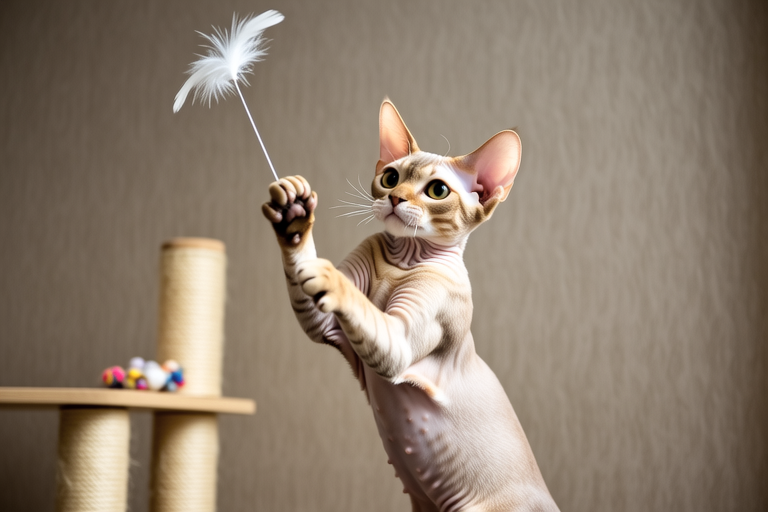
Devon Rex cats are highly energetic and require plenty of opportunities for physical activity. Providing interactive toys such as feather wands, laser pointers, or puzzle feeders can help keep them mentally stimulated and physically active. Encourage playtime several times a day, and consider setting up climbing structures or perches to satisfy their natural climbing instincts.
Outdoor play can also be beneficial, but it should only occur under supervision and within a secure environment. Indoor cats can benefit from window perches or bird-watching stations to keep them entertained. Regular exercise helps prevent obesity, which is common in sedentary cats, and promotes overall well-being.
Health Concerns Specific to Devon Rex Cats
Devon Rex cats are generally healthy, but they are prone to certain hereditary conditions. Hypertrophic cardiomyopathy (HCM) is one of the most significant health concerns, affecting the heart muscle and potentially leading to heart failure. Regular veterinary check-ups and early detection through echocardiograms can help manage this condition.
Another common issue is patellar luxation, where the kneecap slips out of place. This can cause discomfort and mobility issues. Early intervention and surgical correction can improve the quality of life for affected cats. Additionally, Devon Rex cats may experience ear infections due to their large, floppy ears. Keeping their ears clean and dry and monitoring for signs of infection can help prevent these issues.
Training Tips
Training your Devon Rex can be both enjoyable and rewarding. Positive reinforcement techniques, such as clicker training or treat rewards, work best for these intelligent cats. Teach basic commands like ‘sit,’ ‘stay,’ and ‘come’ using consistent signals and immediate rewards. Devon Rex cats can also be trained to walk on a harness and leash, providing safe outdoor experiences.
House-training is typically straightforward, as Devon Rex cats are naturally clean and prefer designated litter areas. However, some may require patience and consistency during the initial training period. Avoid punishing accidents, as this can lead to stress and reluctance to use the litter box. Instead, focus on reinforcing good behavior and maintaining a clean, inviting litter area.
Environmental Enrichment Ideas
Creating an enriching environment for your Devon Rex is essential for their mental and physical well-being. Provide a variety of toys and puzzles to stimulate their minds and keep them engaged. Consider rotating toys periodically to prevent boredom and maintain interest. Interactive feeding devices can also encourage natural hunting behaviors and provide mental stimulation.
Vertical spaces, such as cat trees, shelves, and window perches, allow Devon Rex cats to explore and observe their surroundings from different perspectives. These elevated areas also serve as safe retreats, helping to reduce stress and anxiety. Additionally, incorporating elements like tunnels, boxes, or fabric hammocks can offer hiding spots and cozy resting places.
Fun Facts About Devon Rex Cats
Devon Rex cats are often referred to as the ‘Pixie Cats’ due to their elf-like appearance. They are incredibly social and thrive on human interaction, making them ideal companions for families and individuals seeking a close bond with their pets. Their unique coat texture has earned them the nickname ‘Velcro Cats,’ as they tend to stick closely to their owners.
Interestingly, the Devon Rex breed is known for its ‘truffle nose,’ a distinctive wrinkle on the bridge of their nose. This trait, along with their large ears and wide-set eyes, contributes to their whimsical and endearing appearance. Devon Rex cats are also known for their ability to learn tricks and respond to voice commands, further highlighting their intelligence and trainability.
Conclusion
Owning a Devon Rex cat is a delightful experience filled with joy, laughter, and companionship. By understanding their dietary needs, grooming requirements, exercise preferences, and potential health concerns, you can provide your Devon Rex with the best possible care. Remember to incorporate regular veterinary check-ups, engage in positive training methods, and create an enriched environment to ensure your cat remains healthy, happy, and full of life.