
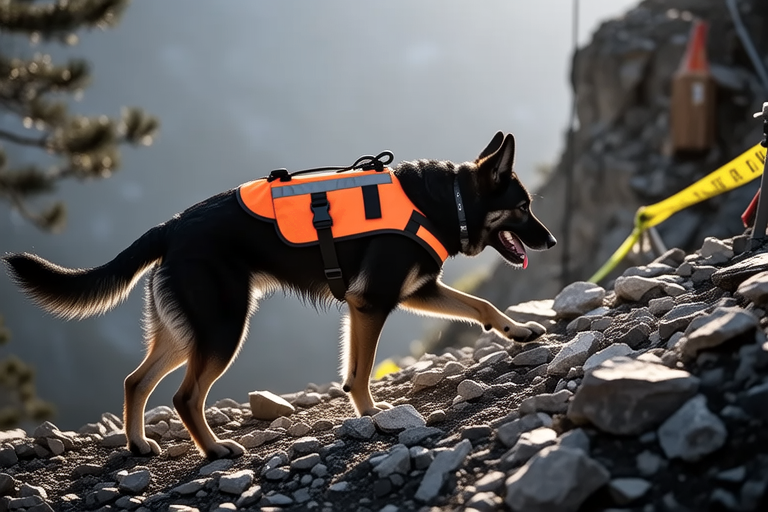
Unsung Heroes: Exploring the Role of German Shepherds in Search & Rescue
In the realm of search and rescue (SAR), few breeds stand out as consistently reliable and effective as the German Shepherd. Known for their intelligence, loyalty, and versatility, these dogs have become integral to many SAR teams around the world. This article delves into the unique qualities that make German Shepherds ideal for such critical roles, highlights some notable missions, and explores the rigorous training they undergo.
Natural Abilities of German Shepherds
The German Shepherd’s natural abilities are perfectly suited for search and rescue operations. Their keen sense of smell is one of their most valuable assets. With over 220 million scent receptors, compared to a human’s mere five million, German Shepherds can detect odors at concentrations as low as one part per trillion. This exceptional olfactory capability allows them to locate missing persons even when they are buried under rubble or hidden in dense forests.
Another key trait is their physical endurance. These dogs possess a robust build and high energy levels, enabling them to cover vast areas quickly and efficiently. Their agility and strength also allow them to navigate challenging terrains, from rugged mountains to urban disaster zones.
German Shepherds are also renowned for their problem-solving skills and adaptability. They can work independently yet remain responsive to commands, making them excellent partners in dynamic and unpredictable environments.
Successful Missions Involving German Shepherds
Throughout history, German Shepherds have been involved in numerous successful SAR missions. One such example occurred during the 2010 Haiti earthquake. Amidst the chaos and destruction, German Shepherd SAR teams were deployed to assist in locating survivors trapped beneath collapsed buildings. These dogs tirelessly searched through debris, alerting rescuers to signs of life and helping to save countless individuals who might otherwise have perished.
Similarly, in the aftermath of Hurricane Katrina in 2005, German Shepherds played a crucial role in finding victims stranded in flooded areas. Their ability to swim and navigate through waterlogged environments made them invaluable in this particular mission.
These examples illustrate the indispensable role that German Shepherds play in disaster response efforts. Their contributions extend beyond just finding survivors; they also provide emotional support and reassurance to those affected by crises.
The Training Process
The path to becoming an effective SAR dog begins with careful selection. Puppies must demonstrate certain traits like confidence, focus, and friendliness towards strangers. Once selected, they undergo extensive training tailored specifically for SAR work.
This training typically spans several years and involves various stages. Initially, basic obedience training ensures the dog responds reliably to commands. Subsequently, specialized courses teach scent detection techniques, including air scenting (finding scents carried by wind) and trailing (following ground scent).
Physical conditioning is another vital component. Dogs must be able to maintain peak performance across extended periods. This includes regular exercise routines designed to build stamina and agility.
Finally, socialization plays a significant role in preparing these dogs for real-world scenarios. They are exposed to different environments, sounds, and stimuli to ensure they remain calm and focused during stressful situations.
The Bond Between Handlers and Their Dogs
The relationship between a handler and their German Shepherd is often described as unbreakable. This deep connection stems from shared experiences and mutual trust built over time. Handlers spend countless hours training alongside their dogs, developing a profound understanding of each other’s capabilities and limitations.
Effective communication is paramount in this partnership. Handlers rely heavily on non-verbal cues, body language, and subtle vocalizations from their dogs. Conversely, dogs learn to anticipate their handlers’ needs and respond accordingly. This默契is essential for success in high-pressure situations where split-second decisions can mean the difference between life and death.
Moreover, the bond between handlers and their dogs extends beyond professional duties. Many handlers consider their canine companions as family members, fostering strong personal relationships that enhance overall teamwork.
The Impact of German Shepherds in Saving Lives
German Shepherds have had a profound impact on saving lives and providing comfort in times of crisis. Their presence alone can offer solace to those affected by disasters, reminding people that help is on its way. Beyond emotional support, however, these dogs actively contribute to recovery efforts by locating survivors who may be injured or unconscious.
By bridging the gap between human rescuers and the victims they seek to save, German Shepherds serve as true unsung heroes. Their tireless dedication and unwavering commitment make them invaluable assets in any SAR team.
It is important to recognize the sacrifices made by both the dogs and their handlers. The risks involved in SAR operations are considerable, but the potential rewards – saving lives and bringing hope to those in need – far outweigh any challenges faced along the way.