
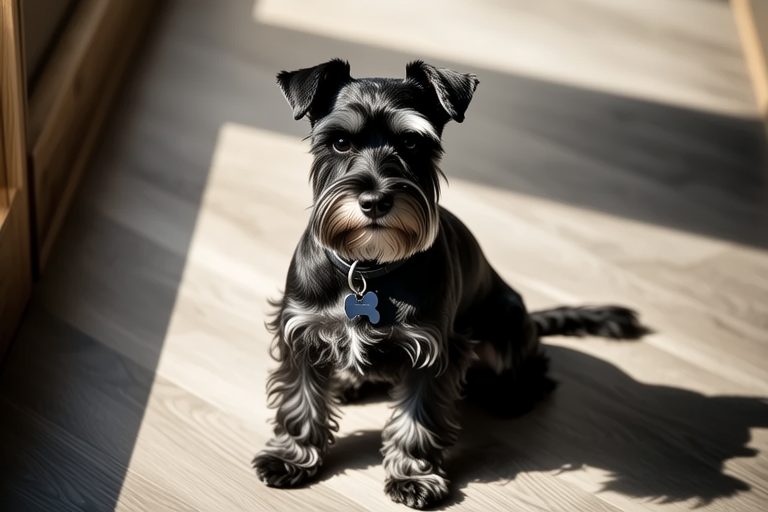
Schnauzer Training Hacks Every Owner Should Know
Training your Schnauzer can be both rewarding and challenging. These intelligent and spirited dogs require consistent guidance to become well-behaved companions. This article offers practical advice on training techniques, addressing common behavioral issues, socialization strategies, and the importance of positive reinforcement.
Effective Training Methods Specific to Schnauzers
Schnauzers are known for their intelligence and energy, which makes them quick learners but also prone to boredom if not stimulated adequately. Here are some effective training methods tailored specifically for Schnauzers:
- Positive Reinforcement: Use treats, praise, and playtime as rewards when your Schnauzer follows commands correctly. This method encourages good behavior without causing stress or fear.
- Short Training Sessions: Keep training sessions short (about 10-15 minutes) to maintain your dog’s attention span. Longer sessions can lead to frustration and disinterest.
- Vary Commands: Introduce different commands gradually to keep your Schnauzer engaged. Mixing up the routine prevents monotony and keeps learning exciting.
- Interactive Toys: Incorporate toys that challenge your Schnauzer mentally during training. Puzzle toys or fetch games help stimulate their minds while reinforcing obedience.
Common Behavioral Issues and Solutions
Like any breed, Schnauzers may exhibit certain behaviors that need correction. Below are some typical issues along with suggested solutions:
- Barking: Schnauzers tend to bark excessively, especially when they’re excited or bored. To address this, teach them the ‘quiet’ command. When your Schnauzer starts barking, wait until they stop briefly, then say ‘quiet’ and reward immediately upon silence. Consistency is key here.
- Chewing: Puppies often chew everything within reach. Provide appropriate chew toys and redirect them whenever you catch them chewing on something inappropriate. Praise and reward when they choose the right item instead.
- Digging: Some Schnauzers enjoy digging holes. To discourage this habit, provide an area designated for digging and use deterrents like citrus peels or vinegar around off-limits spots.
- Early Exposure: Begin exposing your Schnauzer puppy to new experiences from an early age. Take them to parks, pet stores, and friends’ houses where they can meet different people and pets.
- Positive Interactions: Ensure all encounters are positive and controlled. Avoid overwhelming situations that could cause fear or aggression. Always supervise interactions between your Schnauzer and others.
- Gradual Introduction: Introduce new stimuli gradually rather than all at once. For example, start with one person before introducing another, or bring out one toy before adding more.
- Establish Clear Boundaries: Dogs thrive in environments with clear boundaries. If you allow jumping on furniture sometimes but not others, your Schnauzer will never fully understand what’s expected.
- Predictable Responses: Consistent responses from trainers build trust between human and animal. When your Schnauzer knows exactly what to expect, they’re more likely to comply with commands.
- Long-Term Success: Shortcuts taken during initial training might save time temporarily but can lead to long-term difficulties. Stick to established routines even as your Schnauzer grows older.
- Select Appropriate Rewards: Choose rewards that genuinely excite your Schnauzer. For some, high-value treats work best; others prefer extra playtime or affection.
- Timing Is Everything: Reward your Schnauzer immediately after they perform the desired action. Delayed gratification weakens the association between behavior and reward.
- Mix It Up: Vary your rewards occasionally to prevent dependency on a single type. Sometimes surprise your Schnauzer with an unexpected treat or activity.
- Avoid Negative Reinforcement: While punishing bad behavior might seem logical, it often leads to fear-based compliance rather than genuine understanding. Focus solely on rewarding good behavior instead.
- Patience: Be patient throughout the training process. Progress may take longer than anticipated, but persistence pays off.
- Physical Exercise: Regular exercise helps burn excess energy, making your Schnauzer less likely to engage in destructive behaviors.
- Professional Help: Consider hiring a professional trainer if you encounter persistent problems. They offer valuable insights and personalized guidance.
- Continuous Learning: Stay informed about the latest training techniques and adjust your approach accordingly. Learning together strengthens your bond with your Schnauzer.
Tips for Socializing Schnauzers
Proper socialization ensures your Schnauzer grows into a confident and friendly adult dog. Follow these tips to introduce your pup to various environments, people, and other animals:
The Importance of Consistency in Training
Consistency is crucial in successful dog training. Inconsistent rules or expectations confuse your Schnauzer and undermine efforts made thus far. Here’s why maintaining consistency matters:
How to Use Positive Reinforcement
Positive reinforcement is one of the most effective ways to train your Schnauzer. It involves rewarding desired behaviors so that those actions are more likely to occur again in the future. Here’s how you can implement it successfully:
Additional Practical Advice for New and Experienced Owners
Here are additional tips that every Schnauzer owner should consider:
In conclusion, training your Schnauzer requires dedication, creativity, and patience. By employing these strategies—focusing on positive reinforcement, addressing common issues proactively, ensuring consistent practices, and continuously socializing—you’ll foster a happy, healthy relationship with your beloved pet. Remember, each Schnauzer is unique, so tailor these suggestions to suit your individual dog’s needs. Happy training!