
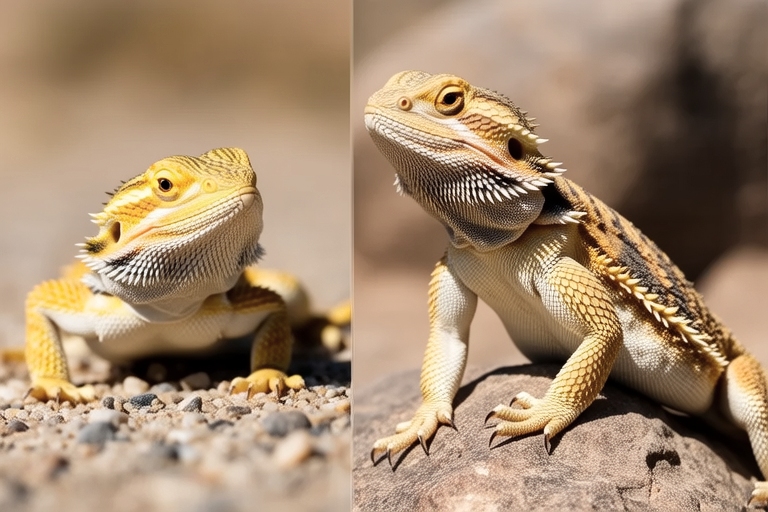
The Life Cycle of Bearded Dragons: A Comprehensive Guide
Bearded dragons are popular pets due to their docile nature, attractive appearance, and relatively easy care requirements. Understanding the life cycle of these fascinating creatures is essential for providing them with the best possible care. From their hatching as tiny hatchlings to their development into robust adults, this guide will take you through the various stages of a bearded dragon’s life, offering insights into their growth patterns, dietary changes, and care requirements.
Hatchling Stage: The Beginning of a New Life
The journey of a bearded dragon begins when they hatch from their eggs. Hatchlings emerge as miniature versions of their adult counterparts, measuring around 4 inches (10 cm) in length. At this stage, they are highly vulnerable and require careful handling and specialized care.
Growth Patterns and Care Requirements
Hatchlings grow rapidly during their first few months. They shed their skin frequently, typically every two weeks, which is an essential part of their growth process. Their diet should consist mainly of small insects such as crickets, mealworms, and waxworms. It’s crucial to feed them appropriately sized prey to avoid digestive issues. Additionally, calcium supplementation is vital to support bone development.
Environmental conditions play a significant role in the health and well-being of hatchlings. Maintain a temperature gradient within the enclosure, with a basking spot reaching between 95-105°F (35-40°C). UVB lighting is also necessary for calcium absorption and overall health. A humidity level of around 30% is ideal, ensuring that the substrate remains dry to prevent respiratory infections.
Juvenile Stage: Growing and Learning
As bearded dragons enter the juvenile stage, they become more active and curious about their surroundings. This period lasts until they reach approximately 6 months of age or when they measure around 12 inches (30 cm) in length.
Dietary Changes and Growth Patterns
During this stage, the frequency of feeding increases to accommodate their growing bodies. Juveniles should be fed daily, with a mix of insects and greens. Introduce leafy greens like collard greens, mustard greens, and turnip greens gradually. Ensure that insects are dusted with calcium and multivitamin supplements to promote healthy growth.
Juveniles continue to shed their skin regularly, but the intervals may lengthen as they grow. Monitor their shedding process closely; if any patches remain, assist by soaking them in lukewarm water to soften the skin. Regular basking under a heat lamp helps stimulate appetite and digestion.
Behavioral Traits and Environmental Needs
Juveniles are more exploratory and may display increased activity levels compared to hatchlings. They can be handled gently, allowing them to become accustomed to human interaction. Provide ample space for climbing and hiding to satisfy their natural instincts.
Maintain the temperature gradient and UVB lighting as recommended for hatchlings. Juveniles benefit from a varied environment with branches, rocks, and hides to mimic their natural habitat. Ensure that the enclosure is secure to prevent escapes and injuries.
Adolescent Stage: Transitioning to Adulthood
The adolescent stage marks the transition from juveniles to adults. Bearded dragons reach sexual maturity around 8-12 months of age. Females usually mature faster than males. During this phase, their physical characteristics become more pronounced, and their behavior evolves.
Physical Characteristics and Behavioral Traits
Adolescent bearded dragons exhibit distinctive physical features. Males develop larger, more pronounced spines along their backs and heads. Both sexes may show off their beard by puffing it out, especially when feeling threatened or excited. Adolescents often engage in head bobbing and arm waving as forms of communication.
Adolescents are generally more confident and assertive. They may display territorial behaviors, particularly males. Ensure that multiple males are not housed together, as this can lead to aggression and stress.
Care Requirements and Potential Health Issues
Continue providing a balanced diet rich in calcium and vitamins. Increase the variety of vegetables and fruits, introducing options like carrots, squash, and berries. Monitor food intake carefully to avoid obesity, a common issue in adolescent bearded dragons.
Regular veterinary check-ups are essential to monitor growth and detect any potential health issues early. Common problems include metabolic bone disease (MBD), caused by calcium deficiency, and impaction, resulting from eating substrate or overeating. Signs of MBD include lethargy, swollen limbs, and difficulty moving. Impacted dragons may stop eating and appear bloated.
Adult Stage: Maturity and Stability
Adult bearded dragons, typically over 12 months old, have reached their full size and stability. They exhibit mature physical and behavioral traits and require ongoing care to maintain their health and happiness.
Physical Characteristics and Environmental Needs
Adult bearded dragons range from 16-24 inches (40-60 cm) in length. Males tend to be larger than females. Their coloration may vary depending on their mood, with darker shades indicating stress or aggression. Provide a spacious enclosure, at least 4 feet long, to accommodate their size and activity level.
Adults benefit from a consistent routine that includes regular feeding, basking, and social interaction. Continue using UVB lighting and maintaining the appropriate temperature gradient. Offer a variety of enrichment activities, such as climbing structures and hide boxes, to keep them mentally stimulated.
Dietary Adjustments and Health Monitoring
Adults consume a more diverse diet, including insects, vegetables, and occasional fruits. Reduce the frequency of insect feedings and increase the proportion of plant matter. Ensure that insects are gut-loaded with nutritious foods before feeding them to your dragon. Monitor body condition closely; overweight adults are prone to health issues like fatty liver disease.
Regular health checks are crucial to catch any developing issues early. Signs of illness may include lethargy, loss of appetite, discolored feces, or unusual lumps or bumps. Seek veterinary advice promptly if you notice any concerning symptoms.
Elderly Stage: Providing Comfort and Care
As bearded dragons age, typically after 7-10 years, they enter the elderly stage. Their energy levels decrease, and they may require additional care to ensure comfort and well-being.
Physical and Behavioral Changes
Elderly bearded dragons may experience reduced mobility and slower responses. Their skin may become thinner, and they may develop age-related conditions like arthritis. They may also become less interested in food or show preference for specific types of food.
Care Tips for Elderly Bearded Dragons
Provide a comfortable, low-stress environment with soft bedding and easy access to food and water. Reduce handling to minimize stress and injury risks. Continue monitoring their health closely, adjusting their diet as needed to meet changing nutritional requirements.
Consider consulting a veterinarian specializing in reptiles for personalized care recommendations. They can offer guidance on managing age-related health issues and ensuring a high quality of life for your elderly bearded dragon.
Conclusion: A Journey of Lifelong Care
The life cycle of bearded dragons is a fascinating journey filled with growth, change, and adaptation. By understanding the unique needs of each stage, you can provide optimal care that promotes health, happiness, and longevity. Whether you’re a new or experienced reptile owner, embracing the responsibility of caring for these remarkable creatures is a rewarding experience.