
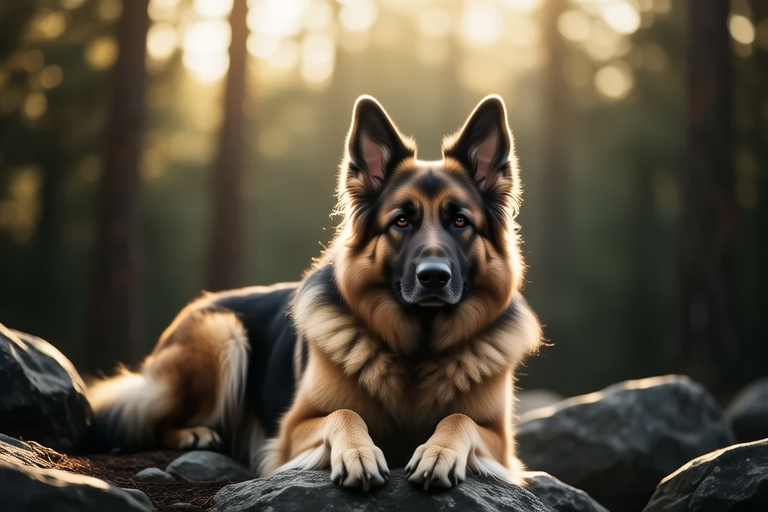
Guardian Angels: Unraveling the Protective Instincts of German Shepherds
The German Shepherd, known for its intelligence, strength, and loyalty, has long been recognized as one of the most versatile and reliable breeds. Originating in Germany in the late 19th century, this breed was initially developed for herding sheep. However, it quickly became evident that the German Shepherd possessed an innate protectiveness and courage that made it ideal for other roles. Over time, the breed evolved from a simple farm dog into a formidable guardian and protector.
A Historical Overview
The history of the German Shepherd began with Captain Max von Stephanitz, who sought to create a working dog capable of herding and protecting livestock. In 1899, he established the Verein für Deutsche Schäferhunde (Society for the German Shepherd Dog), which played a crucial role in standardizing the breed’s traits and ensuring its future success. By the early 20th century, German Shepherds were being utilized in various capacities, including police work, military service, and search and rescue operations. Their ability to adapt to different environments and tasks made them invaluable assets in many fields.
Genetic and Environmental Factors
The protective instincts of German Shepherds can be attributed to a combination of genetic predisposition and environmental influences. Genetically, the breed is characterized by traits such as high energy levels, strong jaws, and a keen sense of smell, all of which contribute to their effectiveness as guardians. Additionally, their intelligence allows them to learn commands and behaviors quickly, making them highly trainable. Environmental factors also play a significant role in shaping these dogs’ protective tendencies. Early socialization and consistent positive reinforcement can help ensure that their protective instincts are directed appropriately.
Real-Life Examples of Loyalty and Bravery
There are countless stories of German Shepherds displaying remarkable bravery and loyalty in the face of danger. One notable example is the story of Lex, a U.S. Army veteran who served alongside his handler in Iraq. Lex was injured during a mission but continued to protect his handler even after sustaining life-threatening injuries. Another instance involves a German Shepherd named Hachiko, who famously waited at Shibuya Station every day for nine years, hoping to reunite with his deceased owner. These tales illustrate the deep emotional bonds that can form between humans and German Shepherds, highlighting their unwavering loyalty.
Training Methods to Enhance Natural Abilities
Proper training is essential for harnessing the protective instincts of German Shepherds while maintaining their suitability as family pets. Positive reinforcement techniques, such as rewarding good behavior with treats and praise, can encourage desirable traits without fostering aggression. Additionally, obedience training helps establish clear boundaries and expectations, ensuring that the dog understands when and how to act protectively. Socialization plays a vital role in preventing excessive shyness or aggression towards strangers. Regular exercise and mental stimulation are also important for keeping these energetic dogs happy and well-adjusted.
Advice for Potential Owners
For those considering adding a German Shepherd to their family, it is crucial to approach ownership responsibly. Providing ample physical activity and mental challenges will help prevent behavioral issues caused by boredom or frustration. Training sessions should focus on building trust and respect rather than fear or dominance. It is also advisable to seek guidance from experienced trainers or behaviorists if difficulties arise. Ultimately, nurturing a strong bond based on mutual understanding and affection will lead to a fulfilling relationship between owner and dog.
In conclusion, the German Shepherd stands out as a breed with exceptional protective instincts, shaped by both nature and nurture. From its humble beginnings as a herding dog to its current status as a trusted protector, this breed continues to impress with its loyalty and bravery. By understanding the genetic and environmental factors that contribute to its protective tendencies, we can better appreciate the remarkable qualities of these “guardian angels.” With proper training and care, German Shepherds can thrive as devoted companions and vigilant protectors, enriching the lives of those fortunate enough to share their company.