
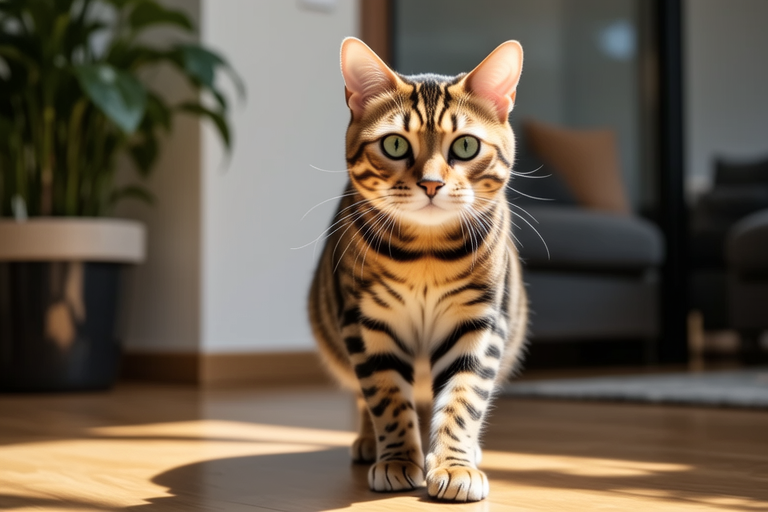
The Evolution of Bengal Cats: From Jungle to Couch
Bengal cats have an intriguing history that traces back to their wild ancestors in the jungle. These majestic creatures have undergone significant transformation over time, evolving from hybrids with Asian leopards to beloved pets lounging on couches. This article delves into the origins and evolution of Bengal cats, highlighting the pivotal role of geneticist Dr. Willard R. Lansdale, challenges faced by early breeders, and how these cats became popular household pets.
Origins and Hybridization
The journey of Bengal cats begins with their wild ancestors, the Asian leopards, which inhabit the dense jungles of Southeast Asia. In the mid-20th century, geneticists sought to create a domesticated version of these beautiful animals by crossbreeding them with domestic cats. The aim was to produce a cat that retained the striking appearance of its wild relatives while maintaining the temperament and care requirements of a domestic pet.
Dr. Willard R. Lansdale, a geneticist at the University of California, Davis, played a crucial role in this endeavor. He conducted extensive research on hybridization and worked tirelessly to develop a breed that would be both visually stunning and suitable for home life. His efforts laid the foundation for what would eventually become the Bengal cat.
Challenges Faced by Early Breeders
Despite the promising start, early breeders encountered numerous challenges in their quest to establish the Bengal cat as a distinct breed. One of the primary obstacles was ensuring that the offspring retained the desired traits from both parent species. Breeding programs had to carefully select individuals with specific characteristics, such as coat patterns and body structure, to ensure that future generations exhibited desirable features.
In addition to genetic considerations, ethical concerns arose regarding the practice of hybridizing wild animals with domestic pets. Critics argued that creating such hybrids could lead to negative consequences for both the animals involved and the environment. However, proponents maintained that proper breeding practices could mitigate these risks and result in a beneficial outcome for all parties.
Milestones in the Development of Bengal Cats
The development of Bengal cats reached several key milestones throughout the years:
- 1963: Jean Mill, an American breeder, began her work with Bengals after meeting Dr. Lansdale and learning about his research.
- 1985: The International Cat Association (TICA) recognized the Bengal cat as a registered breed.
- 1991: The Cat Fanciers’ Association (CFA) also recognized the Bengal cat as a new breed.
- 2001: TICA granted championship status to the Bengal cat, further solidifying its place within the feline community.
These milestones marked significant progress in establishing the Bengal cat as a legitimate and respected breed within the domestic cat world.
Unique Characteristics of Bengal Cats
Bengal cats possess several unique characteristics that set them apart from other breeds. Their most notable feature is their striking coat pattern, which resembles that of their wild ancestors. This leopard-like appearance, combined with their playful and energetic personalities, makes them highly sought after by cat enthusiasts.
In addition to their distinctive coats, Bengal cats exhibit a range of physical attributes that contribute to their appeal. They typically weigh between 8 and 15 pounds, with males generally larger than females. Their muscular bodies and agile movements reflect their wild heritage, allowing them to leap great distances and climb with ease.
Bengal cats also display a variety of coat colors, including brown, silver, melanistic, and snow. Each color variation brings its own charm and beauty, adding to the overall diversity of the breed.
The Journey from Exotic to Mainstream
Initially considered exotic and controversial due to their wild ancestry, Bengal cats have gradually gained acceptance as mainstream pets. Over time, breeders refined their breeding techniques, producing generations of Bengals with increasingly docile temperaments and predictable behaviors.
This shift in perception has been accompanied by increased awareness and understanding of the breed’s needs and care requirements. Today, Bengal cats are widely recognized for their intelligence, curiosity, and affectionate nature, making them excellent companions for those who can provide the attention and stimulation they require.
Care Requirements and Behavior
Proper care and maintenance are essential for keeping Bengal cats healthy and happy. Their active lifestyles necessitate ample space for play and exploration, as well as regular mental and physical stimulation. Interactive toys, climbing structures, and puzzle feeders can help keep Bengals engaged and entertained.
Feeding Bengal cats a balanced diet rich in protein and nutrients is crucial for supporting their high energy levels and overall health. Owners should consult with veterinarians to determine appropriate feeding schedules and portion sizes based on individual needs.
Bengal cats are known for their curious and adventurous spirits, often exploring every corner of their surroundings. They enjoy interacting with humans and other animals but may require patience and positive reinforcement training to establish boundaries and reinforce good behavior.
Impact on the Domestic Cat Breeding World
The introduction of Bengal cats has had a profound impact on the domestic cat breeding world. Their unique appearance and engaging personalities have inspired breeders to explore new possibilities in feline genetics and aesthetics. As a result, other breeds have emerged that incorporate elements of the Bengal’s wild look, expanding the range of options available to cat lovers.
Furthermore, Bengal cats have contributed to advancements in veterinary medicine and genetics research. By studying these hybrids, scientists gain valuable insights into the mechanisms underlying coat patterns, behaviors, and health conditions, potentially leading to breakthroughs that benefit both wild and domestic animals.
Conclusion
The evolution of Bengal cats from their wild ancestors in the jungle to beloved pets lounging on couches represents a remarkable chapter in the history of domestication. Through the dedicated efforts of geneticists like Dr. Willard R. Lansdale and passionate breeders, these magnificent creatures have overcome numerous challenges to become cherished members of households worldwide.
With their striking appearance, playful personalities, and growing popularity, Bengal cats continue to captivate hearts and minds. As we move forward, it is essential to remain mindful of the ethical considerations surrounding hybridization and strive for responsible breeding practices that prioritize the well-being of all involved.