
Bengal Cats: Origins, Traits, and Care
The Bengal cat is one of the most fascinating and popular breeds in the world of feline companionship. Known for their striking appearance and unique behaviors, these cats have captured the hearts of many pet owners. Their origins, physical traits, and behaviors all contribute to their reputation as a breed that appears wild. This article explores the history of Bengal cats, their physical characteristics, and their behavior, providing essential information for potential owners on caring for a Bengal cat.
Origins of Bengal Cats
Bengal cats are the result of crossbreeding between domestic cats and Asian leopard cats (Prionailurus bengalensis), a small wild cat native to Asia. The first known attempt at creating a hybrid cat was made by Jean Mill, an American breeder, in the 1960s. She aimed to create a domestic cat with the appearance of a wild cat but the temperament of a house cat. Over time, selective breeding led to the development of the modern Bengal cat, which is now recognized as a distinct breed by various cat registries.
Physical Traits
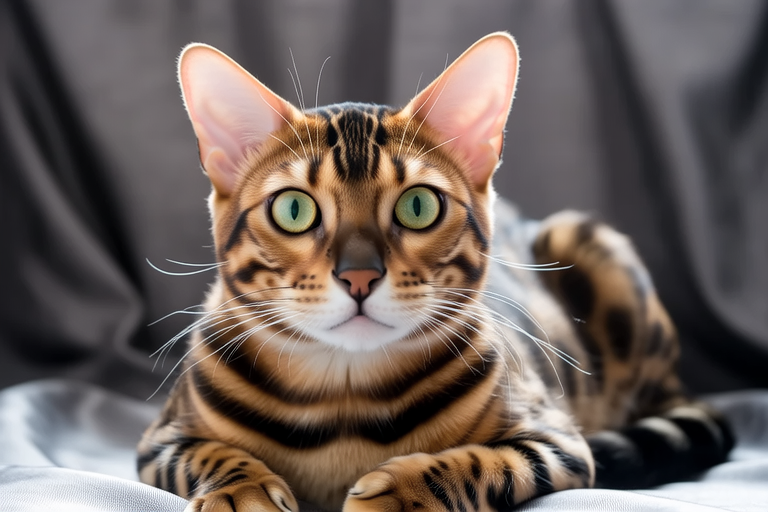
Bengal cats are renowned for their stunning appearance, particularly their distinctive coat patterns. Their fur can be either spotted or marbled, resembling the markings of their wild ancestors. The spots are typically round or oval, while the marbling pattern consists of swirling, intricate designs. These coats come in various colors, including brown, silver, and snow, adding to their exotic appeal. Another notable feature is their muscular build, giving them a sleek and athletic appearance. Their large, expressive eyes and slightly rounded ears complete the picture of a cat that looks both elegant and wild.
Behavior and Personality
Bengal cats are known for their active and playful nature, often displaying behaviors reminiscent of their wild heritage. They are highly intelligent and curious, constantly exploring their surroundings. This curiosity often leads them to investigate new objects and engage in interactive play. Their love for water is another characteristic they inherited from their wild relatives, and they may enjoy playing in a shallow dish of water or even splashing around in the bathtub.
Despite their wild appearance, Bengal cats are generally affectionate and friendly towards humans. They tend to form strong bonds with their owners and can be quite vocal, often communicating through chirps and trills. However, they require a lot of attention and stimulation to thrive, making them less suitable for households where they would be left alone for extended periods.
Caring for a Bengal Cat
When considering a Bengal cat as a pet, it’s important to understand their specific care needs. Here are some tips for potential owners:
- Dietary Requirements: Bengals are obligate carnivores, meaning their diet should consist primarily of animal-based proteins. High-quality commercial cat food, specifically formulated for indoor cats, is usually sufficient. However, it’s essential to consult with a veterinarian to determine the best diet for your Bengal cat.
- Grooming: Their short, dense coats require minimal grooming, but regular brushing can help maintain their fur’s shine and reduce shedding. Pay special attention to their claws, ensuring they are trimmed regularly to prevent overgrowth and discomfort.
- Exercise and Mental Stimulation: Due to their high energy levels, Bengals need ample opportunities for physical activity and mental stimulation. Interactive toys, climbing structures, and puzzle feeders can help keep them engaged and prevent boredom.
- Social Needs: Bengals are highly social animals and thrive in environments where they receive plenty of attention and interaction. They often form close bonds with their owners and may become distressed if left alone for long periods.
Misconceptions About Bengal Cats
There are several misconceptions surrounding Bengal cats that potential owners should be aware of:
- Aggressiveness: Contrary to popular belief, Bengal cats are not inherently aggressive. While they may display more assertive behaviors compared to other domestic cat breeds, proper socialization and positive reinforcement training can help manage any unwanted behaviors.
- Wildness: Although Bengal cats have wild ancestors, they are fully domesticated and exhibit typical domestic cat behaviors. With proper care and socialization, they can make excellent pets for the right household.
- Cost: While Bengal cats can be expensive due to their popularity and breeding costs, there are options available for those on a budget. Rescue organizations and shelters often have Bengal cats available for adoption.
Intelligence and Training Capabilities
Bengal cats are highly intelligent and trainable, making them a joy to interact with. They can learn simple commands and tricks, such as fetching toys or ringing bells. Positive reinforcement techniques, including treats and praise, are effective in training Bengals. However, it’s important to remember that consistency is key when teaching new behaviors.
Compatibility with Different Living Environments
Bengal cats can adapt to various living environments, provided their social and exercise needs are met. In apartment settings, they can thrive as long as they have access to vertical spaces for climbing and scratching. However, they may require additional outlets for their energy, such as interactive play sessions or puzzle toys. In homes with larger outdoor areas, Bengals can enjoy supervised access to explore and play, but care must be taken to ensure their safety.
Ensuring Health and Happiness
To ensure a Bengal cat’s health and happiness in a domestic setting, follow these guidelines:
- Regular Vet Checkups: Schedule routine veterinary visits to monitor your cat’s health and address any concerns early. Vaccinations, parasite control, and dental care are essential aspects of preventive healthcare.
- Environmental Enrichment: Provide a stimulating environment filled with toys, scratching posts, and climbing structures. Rotate toys periodically to keep your Bengal interested and engaged.
- Positive Social Interaction: Spend quality time with your Bengal cat daily, engaging in interactive play and offering affection. This helps strengthen your bond and meets their social needs.
- Safe Outdoor Access: If you wish to allow your Bengal cat to experience the outdoors, consider building an enclosed catio or using a harness and leash for supervised walks. Always prioritize their safety and well-being.
In conclusion, Bengal cats are a unique and captivating breed with a rich history and distinct physical and behavioral traits. By understanding their origins, physical characteristics, and specific care needs, potential owners can provide the best possible life for these remarkable feline companions. With proper attention, social interaction, and environmental enrichment, Bengal cats can lead happy and healthy lives in domestic settings, bringing joy and companionship to their human families.