
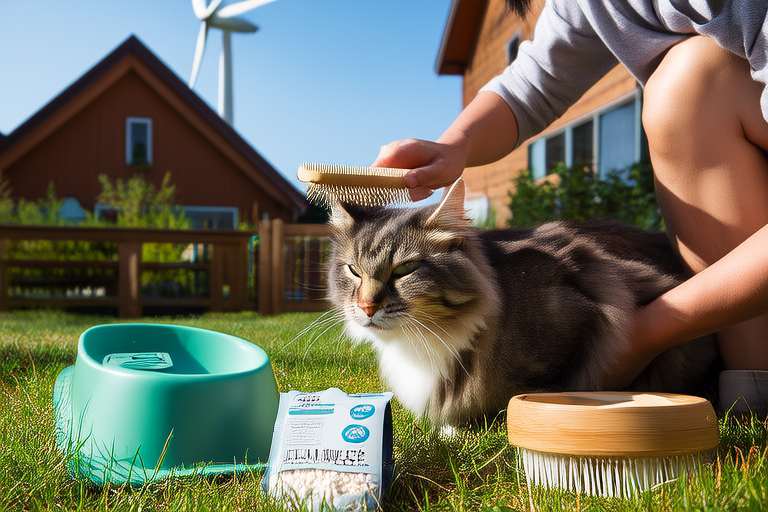
How Norwegians Are Leading the Way in Sustainable Pet Ownership
In recent years, there has been a growing awareness of the environmental impact of pet ownership. In response, countries around the world have begun implementing measures to promote more sustainable practices. Among these, Norway stands out as a leader in sustainable pet ownership. This article explores the innovative practices and policies in Norway that promote eco-friendly pet care, including eco-friendly pet products, sustainable feeding habits, waste management solutions, and community initiatives fostering responsible pet ownership.
Eco-Friendly Pet Products
Norway is at the forefront of developing and promoting eco-friendly pet products. These products are designed with minimal environmental impact in mind, often using sustainable materials and manufacturing processes. One example is the use of biodegradable pet toys made from natural fibers such as cotton and wool. These toys are not only safer for pets but also decompose naturally, reducing the amount of plastic waste in landfills.
Another area where innovation is evident is in pet bedding. Companies in Norway have started producing pet beds made from recycled materials like old fishing nets and discarded clothing. These products not only reduce waste but also provide a comfortable sleeping environment for pets. Additionally, some companies are experimenting with fabrics that incorporate silver nanoparticles, which help keep the bedding fresh and free from bacteria without the need for chemical treatments.
Sustainable Feeding Habits
One of the most significant ways to promote sustainable pet ownership is through sustainable feeding habits. In Norway, there is a strong emphasis on sourcing high-quality, locally produced pet food. By supporting local farmers and producers, pet owners can reduce their carbon footprint while ensuring their pets receive nutritious meals. This approach not only benefits the environment but also supports local economies.
Moreover, many Norwegian pet owners are turning to raw and home-cooked diets for their pets. These diets eliminate the need for industrial processing, which is energy-intensive and contributes to greenhouse gas emissions. Instead, owners prepare meals using fresh, organic ingredients, which are healthier for both pets and the planet. Some organizations even offer cooking classes for pet owners, teaching them how to create balanced meals for their animals.
Another important aspect of sustainable feeding is portion control. Overfeeding pets leads to obesity, which increases their risk of health problems and reduces their lifespan. By carefully measuring portions and avoiding excessive treats, pet owners can ensure their pets maintain a healthy weight while minimizing food waste.
Waste Management Solutions
Proper waste management is crucial for sustainable pet ownership. In Norway, there are several initiatives aimed at reducing the environmental impact of pet waste. For instance, many municipalities have installed pet waste stations in public areas, providing biodegradable bags and bins for disposal. These stations encourage responsible pet owners to clean up after their pets, preventing pollution and protecting wildlife.
Additionally, some communities are exploring the use of composting toilets for pet waste. These systems break down waste into nutrient-rich compost, which can be used to fertilize gardens and parks. Not only does this method reduce landfill waste, but it also promotes soil health and biodiversity.
There is also a growing trend of using reusable and washable pet waste bags. These bags are made from durable, washable materials that can be cleaned and reused multiple times. They not only save money but also reduce the number of plastic bags ending up in landfills.
Community Initiatives Fostering Responsible Pet Ownership
The success of sustainable pet ownership in Norway is largely due to community initiatives that foster responsible pet ownership. Many local organizations and non-profits work together to educate pet owners about the importance of sustainability and provide resources to help them adopt eco-friendly practices.
For example, some groups organize workshops and seminars on topics such as sustainable pet care, waste management, and responsible breeding. These events provide valuable information and connect pet owners with like-minded individuals who share a commitment to environmental stewardship.
Another initiative is the establishment of community gardens where pet owners can grow their own organic produce for their pets. These gardens not only provide fresh, healthy food for pets but also serve as a space for social interaction and learning. Participants can share tips, exchange seeds, and learn new skills, all while contributing to a more sustainable future.
Government and Non-Profit Efforts
The Norwegian government plays a significant role in promoting sustainable pet ownership. Through various policies and programs, the government encourages pet owners to adopt eco-friendly practices and provides support for initiatives that benefit both pets and the environment.
One such program is the Green Pet Initiative, which offers financial incentives for pet owners who purchase eco-friendly products and services. The initiative also provides grants to organizations working on sustainable pet care projects, helping to build a network of support for responsible pet ownership.
Non-profit organizations also play a crucial role in promoting sustainable pet ownership. Groups like the Norwegian Animal Welfare Association (NAWA) work tirelessly to raise awareness about the environmental impact of pet ownership and provide resources to help pet owners make informed decisions. NAWA also collaborates with other organizations and governments to develop policies and programs that promote sustainability.
Why These Practices Are Crucial for Environmental Sustainability
The practices promoted by Norway are crucial for environmental sustainability because they address the root causes of environmental degradation associated with pet ownership. By adopting eco-friendly pet products, sustainable feeding habits, and effective waste management solutions, pet owners can significantly reduce their environmental impact.
Furthermore, these practices contribute to broader environmental goals, such as reducing waste, conserving resources, and protecting biodiversity. By fostering responsible pet ownership, Norway is setting an example for other countries to follow, demonstrating that it is possible to enjoy the companionship of pets while preserving the planet for future generations.
How These Practices Can Be Adopted Globally
The practices promoted by Norway can be adopted globally by raising awareness about the environmental impact of pet ownership and providing resources to help pet owners make informed decisions. Governments and non-profits can play a key role in this process by implementing policies and programs that promote sustainable pet care and providing education and support to pet owners.
Additionally, businesses can contribute by developing and marketing eco-friendly pet products and services. By working together, we can create a global movement towards sustainable pet ownership that benefits both pets and the planet.