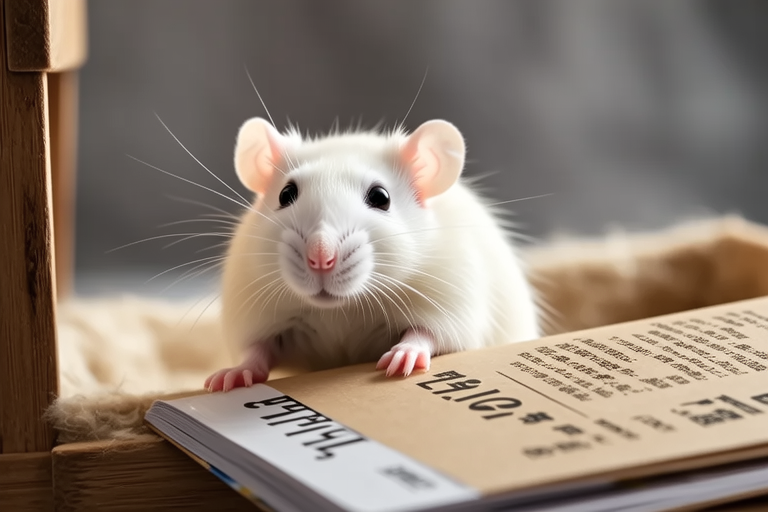
Fancy Rat Care Guide: Tips for a Happy and Healthy Pet
Welcome to your comprehensive guide on how to provide the best care for your fancy rat. Whether you’re a first-time owner or an experienced one, this guide will help you ensure that your pet leads a happy and healthy life. We’ll cover everything from housing and diet to exercise, grooming, common health issues, and social interaction.
Housing Requirements
The first step in providing a great home for your fancy rat is choosing the right cage. Rats are active creatures that require ample space to move around, play, and explore. A minimum cage size of 24 inches by 12 inches by 12 inches (length by width by height) is recommended for one rat, but larger cages are always better. If you have multiple rats, increase the size accordingly.
Ensure the cage has sturdy bars with spacing small enough to prevent escape but large enough for easy access. A multi-level cage can offer more space and climbing opportunities. Line the bottom of the cage with bedding material such as paper-based bedding or recycled paper products, which are safer and easier to clean than wood shavings.
Adequate ventilation is crucial, so choose a cage with proper air flow. Place the cage away from direct sunlight, drafts, and extreme temperatures. Provide plenty of toys, tunnels, and platforms for mental stimulation and physical activity. Regular cleaning of the cage is essential; aim to clean it at least once a week, removing all bedding and thoroughly disinfecting the cage.
Diet Specifics
Rats are omnivores, meaning they eat both plant and animal matter. A balanced diet is key to their overall health. The foundation of their diet should be a high-quality commercial rat food, which provides necessary nutrients. Supplement this with fresh fruits and vegetables, including leafy greens like spinach and kale, and occasional treats such as unsalted nuts or seeds.
Avoid feeding them foods high in sugar, fat, or salt, as these can lead to obesity and other health issues. Fresh water should always be available, either through a sipper bottle or a water bowl, and it should be changed daily to ensure cleanliness. Introduce new foods gradually to avoid digestive upset.
Exercise Needs
Rats are naturally curious and energetic, so they need plenty of opportunities to exercise. In addition to their cage environment, give them supervised time outside the cage each day. This could be in a safe, rat-proof room or an enclosed area where they can run, climb, and explore. Provide toys that encourage physical activity, such as chew toys, balls, and ladders.
Regular exercise helps maintain a healthy weight and prevents boredom, which can lead to destructive behavior. Ensure that the exercise area is free of hazards, such as toxic plants or small objects that could be swallowed.
Grooming Tips
Grooming is an important aspect of caring for your fancy rat. While they are generally good at keeping themselves clean, you can assist by providing a shallow dish of water for them to bathe in. Be sure to supervise them to prevent drowning. Regular nail trimming may also be necessary; use clippers designed for small animals and be careful not to cut the quick.
Rats do shed, so brushing them gently with a soft brush can help remove loose fur and distribute natural oils. Pay attention to their ears, cleaning them if necessary with a damp cloth. Always handle your rat gently and calmly during grooming sessions to make the experience positive.
Common Health Issues
Despite being relatively hardy pets, fancy rats can develop certain health issues. Respiratory infections are common, often caused by poor hygiene or overcrowding. Symptoms include sneezing, wheezing, and discharge from the nose or eyes. If you notice any of these signs, consult a veterinarian immediately.
Another frequent issue is dental problems, which can occur due to insufficient chewing opportunities. Signs include drooling, difficulty eating, or swollen cheeks. Ensuring a balanced diet and providing plenty of chew toys can help prevent these issues. Additionally, tumors, especially mammary tumors in females, are relatively common in older rats. Regular check-ups can help detect these early.
Emphasize the importance of regular veterinary care. Just like humans, rats benefit from routine check-ups and vaccinations. Find a veterinarian who specializes in exotic pets or small mammals for the best care.
Advice on Social Interaction
Rats are social animals and thrive on companionship. They do well in pairs or groups, provided they are introduced properly. Introducing rats too quickly can lead to fighting, so take your time and monitor their interactions closely. Once they get along, they will bond and enjoy each other’s company.
Spend quality time with your rat every day. Handling them gently and consistently helps build trust and strengthens your bond. Use treats and positive reinforcement to encourage desired behaviors. Training your rat to come when called or perform simple tricks can be fun and rewarding for both of you.
In conclusion, taking care of a fancy rat requires commitment and attention to detail. By providing a suitable environment, a balanced diet, regular exercise, proper grooming, and timely medical care, you can ensure your pet enjoys a long and happy life. Remember, the bond between you and your rat can be incredibly rewarding, making all the effort worthwhile.
