
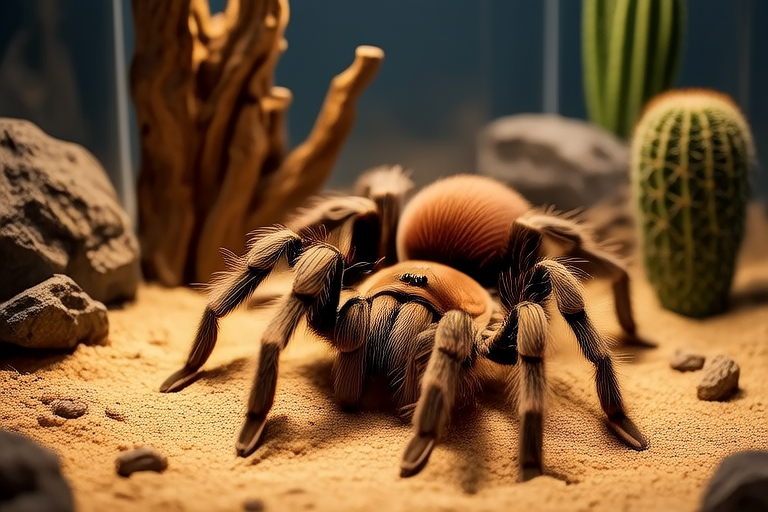
Creating the Ideal Habitat for a Chilean Rose Tarantula
The Chilean Rose Tarantula (Grammostola rosea) is one of the most popular pet tarantulas due to its docile nature and relatively easy care requirements. Originating from the deserts and scrublands of Chile, this species thrives in a habitat that closely resembles its native environment. Creating the perfect enclosure for your Chilean Rose Tarantula involves understanding its specific needs regarding space, temperature, humidity, and enrichment. This comprehensive guide will walk you through the process of setting up an optimal habitat for your new arachnid companion.
Choosing the Right Terrarium Size
The first step in creating an ideal habitat for your Chilean Rose Tarantula is selecting the right terrarium. While these spiders are relatively small, they still require adequate space to move around comfortably. A general rule of thumb is to provide at least five gallons of floor space per inch of the spider’s leg span. For adult Chilean Rose Tarantulas, which typically measure between three to four inches in leg span, a ten-gallon tank would be sufficient. However, larger enclosures offer more room for exploration and can help reduce stress caused by overcrowding.
Selecting the Appropriate Substrate
The substrate forms the base layer of your tarantula’s habitat and plays a crucial role in maintaining proper moisture levels while providing a comfortable surface for burrowing. Suitable substrates for Chilean Rose Tarantulas include coconut fiber, reptile bark, or a mix of potting soil and sand. These materials mimic the dry, sandy conditions found in their natural habitats and allow for easy burrowing behavior. Avoid using substrates that retain too much moisture, as this can lead to mold growth and respiratory issues.
Temperature and Humidity Levels
Maintaining appropriate temperature and humidity levels within the enclosure is vital for the health of your Chilean Rose Tarantula. In their natural environment, these tarantulas experience diurnal fluctuations in temperature, with daytime temperatures ranging from 75°F to 85°F (24°C to 29°C) and nighttime temperatures dropping slightly to 65°F to 75°F (18°C to 24°C). You can achieve this by positioning a heat mat or under-tank heater on one side of the terrarium to create a thermal gradient. This allows your tarantula to regulate its body temperature by moving between warmer and cooler areas.
Humidity should remain low, ideally between 40% and 60%, to prevent bacterial or fungal infections. To monitor humidity levels, place a hygrometer inside the enclosure. If necessary, increase humidity by misting the substrate lightly once or twice weekly but avoid over-saturating it. Conversely, if humidity becomes too high, ensure there is good air circulation through proper ventilation.
Providing Hiding Spots
Chilean Rose Tarantulas are nocturnal creatures that spend much of their time resting in dark, secluded areas. Offering multiple hiding spots within the enclosure encourages natural behaviors and reduces stress. Suitable hiding spots include cork bark tubes, half logs, or artificial caves made from clay. Place these items strategically throughout the enclosure to create different microhabitats. Ensure that the hiding spots are secure and stable to prevent accidental collapses during burrowing activities.
Lighting Requirements
Chilean Rose Tarantulas do not require UVB lighting as they are primarily active at night. However, providing a low-intensity fluorescent light source during daylight hours can help simulate a day-night cycle and promote healthy circadian rhythms. Position the light fixture outside the enclosure to avoid direct contact with the tarantula. Always use a timer to maintain consistent lighting patterns, mimicking the natural cycle of sunlight in their native environment.
Ensuring Proper Ventilation
Proper ventilation is essential for maintaining air quality within the enclosure. Excessive moisture buildup can lead to mold growth and respiratory problems for your tarantula. To enhance airflow, drill small holes along the top of the terrarium or install a screen lid. Avoid placing the enclosure in drafty areas, as sudden temperature changes may cause stress. Regularly clean any condensation from the enclosure walls to prevent mold formation.
Suitable Decor and Enrichment
In addition to functional elements like substrate and hiding spots, adding decorative items enhances the aesthetic appeal of the enclosure while stimulating natural behaviors. Incorporate live or artificial plants to create a lush environment. Be cautious when introducing live plants, ensuring they are free from pesticides or harmful chemicals. Artificial plants offer a safer alternative and come in various sizes and colors to suit your preferences.
Branches and vines provide opportunities for climbing and exploring. Choose sturdy branches that are securely anchored to prevent tipping over. These structures also serve as additional hiding spots and can be arranged to form complex networks within the enclosure. Consider incorporating shallow water dishes filled with dechlorinated water for occasional soaking. Ensure the dishes are shallow enough to prevent drowning accidents.
Regular Maintenance Tips
To keep your Chilean Rose Tarantula healthy and happy, establish a routine maintenance schedule. Clean the enclosure every two to three weeks, removing uneaten food and soiled substrate. Replace the substrate entirely once every few months or sooner if signs of mold or foul odors appear. Regular cleaning helps maintain hygiene and prevents potential health issues.
Monitor temperature and humidity levels daily to ensure they remain within the recommended ranges. Adjust heating and humidification equipment as needed based on seasonal changes or individual preferences. Inspect the enclosure for any signs of wear or damage, replacing damaged items promptly to prevent injuries.
Safety Precautions When Handling Your Tarantula
While Chilean Rose Tarantulas are generally docile, handling should always be approached with caution. Before attempting to handle your tarantula, familiarize yourself with its natural behaviors and signals. Approach slowly and gently, avoiding sudden movements that could startle the spider. Use a soft, wide-handled tool such as a plastic spoon or paintbrush to scoop up your tarantula rather than directly touching it.
Handle your tarantula only when necessary and always support its entire body to prevent injury. Never grab or squeeze the spider, as this can cause stress or harm. If you notice any signs of aggression, such as raised front legs or rapid movements, immediately return the tarantula to its enclosure and wait before trying again.
Conclusion
Creating the ideal habitat for a Chilean Rose Tarantula requires careful consideration of several factors, including terrarium size, substrate choice, temperature control, humidity management, hiding spots, lighting, ventilation, and enrichment. By mimicking their natural desert environment, you can ensure the health and well-being of your tarantula while promoting natural behaviors. Regular maintenance and safe handling practices further contribute to a thriving and enjoyable relationship with your pet. With these guidelines in mind, you’ll be well-equipped to provide a comfortable home for your Chilean Rose Tarantula and enjoy many years of companionship.