
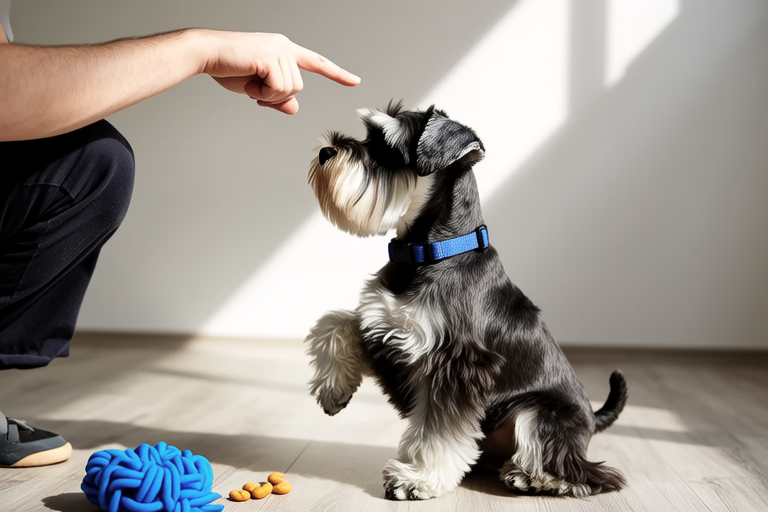
Training Tips & Tricks: How to Raise a Well-Behaved Schnauzer Puppy
Welcome to the world of schnauzer puppies! These intelligent, energetic, and loyal companions can bring immense joy to your life. However, like any other breed, they require proper training, care, and attention to develop into well-behaved adult dogs. In this comprehensive guide, we will explore essential training methods, common challenges, positive reinforcement techniques, housebreaking strategies, socialization importance, basic commands teaching, grooming tips specific to schnauzers, exercise needs, dietary considerations, and advice for integrating the puppy into a family environment.
Essential Training Methods
Training a schnauzer puppy involves patience, consistency, and positive reinforcement. Start by establishing a routine that includes regular feeding times, potty breaks, playtime, and training sessions. Schnauzers are highly intelligent and eager to please their owners, making them quick learners. Use treats, praise, and affection as rewards for good behavior.
For example, if your puppy sits on command, immediately give them a treat and say, “Good sit!” This positive reinforcement will encourage them to repeat the behavior. Avoid yelling or physical punishment, as it can create fear and anxiety, leading to behavioral issues.
Common Challenges Faced When Raising Schnauzer Puppies
Raising a schnauzer puppy comes with its own set of challenges. One common issue is excessive barking. Schnauzers are naturally vocal dogs, so it’s important to teach them when and where it’s appropriate to bark. Another challenge is chewing. Schnauzers have strong jaws and love to chew on everything. Provide them with plenty of chew toys to redirect their chewing behavior.
A real-life scenario could be a schnauzer puppy who starts chewing on furniture. Instead of scolding the puppy, gently remove the item from their mouth and replace it with a chew toy. Praise them when they chew on the toy instead.
Positive Reinforcement Techniques
Positive reinforcement is key to successful training. It involves rewarding your puppy for desired behaviors, which encourages them to repeat those actions. Use treats, praise, and affection as rewards. For instance, when your puppy follows a command, give them a small treat and say, “Good job!” This positive reinforcement will strengthen the bond between you and your puppy while reinforcing good behavior.
Consistency is crucial in positive reinforcement. Ensure all family members use the same commands and rewards to avoid confusing the puppy. For example, if you say “sit” and your partner says “down,” the puppy may become confused and unsure of what to do.
Housebreaking Strategies
Housebreaking a schnauzer puppy requires patience and consistency. Establish a routine that includes taking the puppy outside first thing in the morning, after meals, and before bedtime. Choose a designated spot in your yard for potty breaks and take the puppy there every time. Praise and reward your puppy when they go to the bathroom in the correct location.
If your puppy has an accident inside the house, clean it up thoroughly without scolding them. They cannot associate the punishment with the accident. Instead, take them outside immediately after the incident and praise them when they go to the bathroom correctly.
The Importance of Socialization
Socializing your schnauzer puppy is essential for their emotional and behavioral development. Expose them to different people, animals, environments, and situations during their critical socialization period (3 to 14 weeks). This exposure helps them become confident, well-adjusted adults.
For example, take your puppy to a dog park or enroll them in puppy classes. Introduce them to friends and family members of various ages and backgrounds. Always supervise these interactions to ensure safety and positive experiences.
Basic Commands Teaching
Teaching basic commands is an important part of training your schnauzer puppy. Start with simple commands like “sit,” “stay,” “come,” and “leave it.” Break down each command into small steps and practice in short, frequent sessions. For instance, to teach “sit,” hold a treat above your puppy’s nose and slowly move it backward, prompting them to sit. Once they sit, say “good sit” and give them the treat.
Another example is teaching “come.” Call your puppy’s name and say “come” in a cheerful voice. Reward them with a treat and praise when they come to you. Gradually increase the distance and difficulty level as they master the command.
Grooming Tips Specific to Schnauzers
Schnauzers have a distinctive double coat that requires regular grooming. Brush your puppy at least twice a week to prevent matting and tangling. Pay special attention to their beard, which can collect food and debris. Trim their whiskers and nails as needed. Regular grooming also provides an opportunity to check for any skin issues or parasites.
Consider professional grooming every six to eight weeks to maintain their appearance. During professional grooming, ask the groomer to trim their hair around their eyes, ears, and paws. This helps prevent eye irritation and ear infections.
Exercise Needs
Schnauzers are active dogs that require daily exercise to stay healthy and happy. Provide at least one hour of exercise per day, including walks, runs, and playtime. Schnauzers enjoy playing fetch, tug-of-war, and other interactive games. Exercise not only keeps them physically fit but also helps burn off excess energy, reducing destructive behavior.
For example, a 20-minute walk in the morning and another in the evening can provide the necessary exercise. Additionally, incorporate indoor activities like hide-and-seek or obstacle courses to keep them mentally stimulated.
Dietary Considerations
Feeding your schnauzer puppy a balanced diet is crucial for their growth and development. Consult with your veterinarian to determine the appropriate amount and type of food based on your puppy’s age, size, and activity level. Avoid overfeeding, as schnauzers are prone to obesity. Provide fresh water at all times and monitor their weight regularly.
Choose high-quality dog food that meets their nutritional needs. Look for ingredients like chicken, fish, vegetables, and whole grains. Avoid foods containing artificial preservatives, colors, and flavors. Treats should be given sparingly and should not exceed 10% of their daily caloric intake.
Advice for Integrating the Puppy into a Family Environment
Integrating your schnauzer puppy into a family environment requires preparation and planning. Create a safe space for your puppy, such as a crate or a designated room, where they can rest and feel secure. Establish rules and boundaries early on, such as where the puppy is allowed to sleep and what areas are off-limits.
Gradually introduce your puppy to family members, allowing them to meet one at a time in a calm environment. Encourage gentle handling and interaction. Teach children how to properly approach and handle the puppy to ensure everyone’s safety and comfort.
Conclusion
Raising a well-behaved schnauzer puppy requires time, effort, and dedication. By implementing the training tips and tricks outlined in this guide, you can help your puppy develop into a confident, obedient, and loving companion. Remember to be patient, consistent, and positive throughout the training process. With proper guidance and care, your schnauzer puppy will thrive and bring joy to your family for years to come.