
Tank Titans: How to Successfully Keep Rajah Cichlids Happy and Healthy
Welcome to the fascinating world of Rajah cichlids, a species that captivates aquarium enthusiasts with their vibrant colors and intriguing behaviors. Known scientifically as Aequidens rivulatus, these freshwater fish are native to South America’s Rio Negro basin. Rajah cichlids are popular among aquarists for their striking appearance and active nature. With proper care, they can thrive in your home aquarium, providing years of enjoyment. This guide will walk you through setting up an optimal habitat, maintaining ideal water conditions, feeding them correctly, and recognizing signs of good health.
Understanding Rajah Cichlids
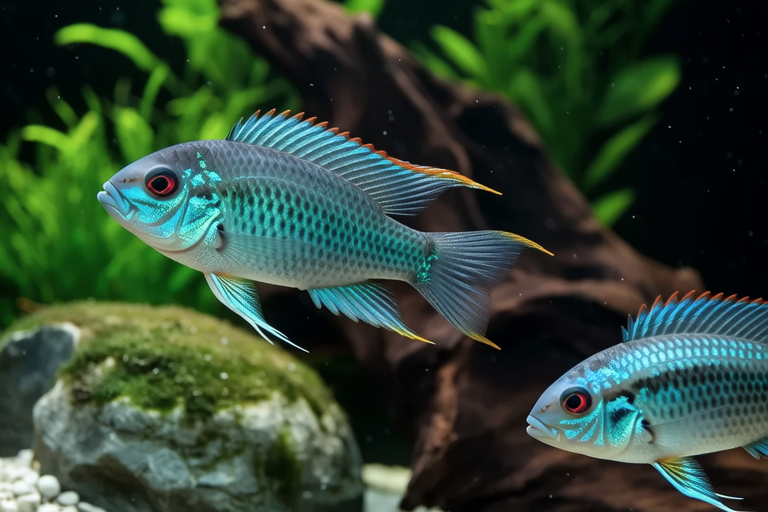
Rajah cichlids are medium-sized cichlids, reaching lengths of about 4-6 inches. They possess elongated bodies adorned with shimmering scales that reflect shades of blue, green, and yellow under certain lighting conditions. Males tend to be more colorful than females and develop extended fins as they mature. These fish are highly territorial but also display complex social interactions within their own kind. Understanding these traits is crucial for creating a harmonious tank environment.
Ideal Tank Setup
To ensure your Rajah cichlids lead healthy lives, start by choosing an appropriately sized tank. A minimum capacity of 55 gallons is recommended for a single pair or small group. Larger tanks provide ample space for swimming and reduce aggression levels between individuals. The substrate should mimic natural riverbeds; fine sand or small gravel works well. Decorate with driftwood, rocks, and caves to offer hiding spots and establish territories. Live plants like Java Fern or Anubias can enhance aesthetics while offering additional cover.
Water flow must be moderate to simulate natural currents without overwhelming the fish. Incorporating filters designed for large tanks ensures efficient filtration and oxygenation. Regular maintenance includes partial water changes (25-30% weekly) to maintain cleanliness and prevent harmful toxins from accumulating.
Water Parameters
Maintaining stable water quality is essential for keeping Rajah cichlids happy and healthy. Optimal pH levels range between 6.0 and 7.0, reflecting slightly acidic conditions found in their native habitats. Ammonia and nitrite concentrations should remain undetectable, while nitrates ideally stay below 20 ppm. Temperature control is vital; aim for temperatures between 75°F and 82°F (24°C – 28°C). Utilize heaters and thermometers to monitor and regulate temperature fluctuations.
Diet and Feeding Habits
Rajah cichlids are omnivores with varied dietary preferences. In the wild, they consume insects, crustaceans, plant matter, and small fish. Replicate this diet in captivity by offering a mix of high-quality pellets, flakes, frozen foods, and occasional live treats such as brine shrimp or bloodworms. Feed small amounts twice daily, allowing them to finish meals within five minutes. Overfeeding leads to poor water quality and potential health problems.
Breeding Rajah Cichlids
Creating breeding pairs requires careful selection based on size compatibility and temperament. Once paired, set up a separate spawning tank with soft, sandy substrate and plenty of hiding places. Condition the couple with nutritious foods rich in protein before introducing them into the breeding setup. Females lay eggs on flat surfaces like rocks or leaves, followed by male fertilization. Parents exhibit strong parental instincts, guarding eggs until hatching and caring for fry afterward.
Monitor the breeding process closely, intervening only if necessary. Provide live food sources like baby brine shrimp once fry become free-swimming. Gradually introduce larger feed items as juveniles grow.
Common Health Issues
Despite best efforts, Rajah cichlids may encounter health challenges. Ichthyophthirius multifiliis, commonly known as ich, presents as tiny white spots on skin and gills. Treatment involves raising water temperature to 86°F (30°C) along with medicated baths. Dropsy, characterized by swollen bellies, necessitates prompt action involving salt baths and antibiotics under veterinary guidance. Fungal infections appear as cotton-like growths on affected areas; treat with antifungal medications.
Tips for Maintaining a Stress-Free Environment
Minimizing stress enhances overall well-being. Avoid sudden changes in lighting or tankmates. Introduce new fish gradually to allow acclimation. Establish consistent routines for feeding and maintenance tasks. Encourage natural behaviors through enrichments like floating objects or gentle water movement. Regular observation helps identify early signs of distress or illness.
Observing Behavioral Changes
Closely monitoring Rajah cichlid behavior provides valuable insights into their health status. Watch for unusual swimming patterns, loss of appetite, lethargy, or physical deformities. Rapid breathing or gasping at the surface might indicate respiratory issues requiring immediate attention. Early detection enables timely intervention, potentially preventing severe complications.
Ensuring Longevity
Proper care extends Rajah cichlid lifespan significantly. By adhering to guidelines outlined herein, you create favorable conditions conducive to long-term survival. Regular health checks conducted by experienced professionals further safeguard against unforeseen ailments. Providing enrichment activities stimulates mental engagement, contributing positively towards psychological wellness.
In conclusion, successfully keeping Rajah cichlids entails dedication and commitment to meeting their specific needs. Through diligent effort, you foster thriving communities capable of captivating observers for generations. Embrace this rewarding journey, cherishing each moment spent alongside these magnificent creatures.