
Rajah Cichlids: Unveiling Lesser-Known Characteristics
Rajah Cichlids, scientifically known as Aequidens rivulatus, are a species of freshwater fish native to the Amazon Basin. These cichlids are often overshadowed by their more popular counterparts, such as discus or angelfish, yet they possess fascinating attributes that make them a standout choice for aquarium enthusiasts. This article delves into the unique aspects of Rajah Cichlids, including their behavior, temperament, physical traits, dietary habits, and breeding behaviors. We will also debunk some common myths and provide valuable insights for both novice and experienced aquarists.
Physical Traits of Rajah Cichlids
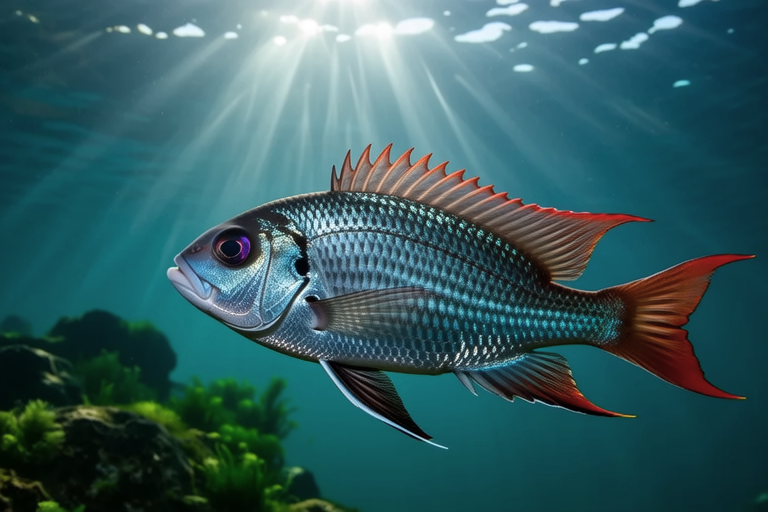
Rajah Cichlids are medium-sized fish, typically reaching lengths of around 4 to 6 inches (10 to 15 cm). Their bodies are elongated and laterally compressed, giving them a streamlined appearance. The most striking feature of these cichlids is their vibrant coloration. Males, in particular, exhibit an array of colors ranging from electric blues and greens to deep reds and oranges. Females, although less colorful, still display a beautiful iridescent sheen that catches the light beautifully.
Their fins are another noteworthy aspect of their physical appearance. They have long dorsal and anal fins that can be extended during courtship displays or when defending territory. The tail fin is slightly rounded, adding to their elegant profile. Additionally, Rajah Cichlids have robust jaws equipped with sharp teeth, which they use for feeding on crustaceans and other small invertebrates in the wild.
Behavior and Temperament
Rajah Cichlids are known for their active and curious nature. In the wild, they inhabit densely vegetated areas along the edges of rivers and streams. This environment influences their behavior, making them highly territorial and somewhat aggressive. While they are generally peaceful towards other species, they can become quite assertive when it comes to establishing their space.
In captivity, Rajah Cichlids thrive in environments that mimic their natural habitat. Providing ample hiding spots, such as driftwood, caves, and dense plantings, helps reduce stress and allows them to establish territories comfortably. Despite their potential aggression, they can coexist peacefully with similarly sized, non-aggressive species, making them suitable for community tanks if properly managed.
Dietary Habits
Rajah Cichlids are omnivores, meaning they consume both plant matter and animal-based foods. In the wild, their diet consists primarily of small invertebrates like shrimp, insect larvae, and aquatic plants. When kept in aquariums, it’s essential to provide a balanced diet that replicates this diversity.
A varied diet for Rajah Cichlids includes high-quality pellets, flakes, and frozen or live foods such as brine shrimp, bloodworms, and daphnia. Supplementing their diet with occasional vegetable matter, such as blanched spinach or zucchini, ensures they receive the necessary nutrients for optimal health. Feeding them once or twice daily, providing enough food for them to consume within a few minutes, is recommended to maintain water quality.
Interestingly, Rajah Cichlids have a unique feeding behavior. They often sift through the substrate, searching for hidden morsels. This habit can be observed in the aquarium as they move rocks and gravel, looking for leftover food or tiny organisms. It’s important to ensure the substrate is fine and smooth to prevent injury to their delicate mouths.
Care Requirements
Maintaining the right water conditions is crucial for the well-being of Rajah Cichlids. They prefer slightly acidic water with a pH range of 6.0 to 7.0 and a temperature between 75°F to 82°F (24°C to 28°C). Regular water changes, typically 20-30% weekly, help keep the tank clean and stable. Additionally, ensuring proper filtration is vital to maintain water quality.
One surprising fact about Rajah Cichlids is their sensitivity to nitrates. Unlike many other cichlid species, they are more susceptible to the negative effects of elevated nitrate levels. Therefore, it’s essential to monitor nitrate concentrations and perform water changes accordingly. Using live plants can also help lower nitrate levels naturally, as they absorb these compounds through photosynthesis.
Rajah Cichlids are also known for their strong swimming abilities. Providing ample open swimming space is important, especially for males during courtship displays. A spacious tank with plenty of vertical and horizontal room allows them to swim freely and reduces stress.
Interaction Within the Environment
Rajah Cichlids are highly interactive within their environment. They are known to be very curious and will often investigate new objects or changes in their surroundings. This curiosity can lead to interesting behaviors, such as inspecting decorations or exploring newly added plants.
These cichlids are also adept at manipulating their environment. They may rearrange rocks, driftwood, or even plants to suit their preferences. This behavior is particularly noticeable during spawning periods when they prepare nesting sites. Observing these interactions can be both entertaining and educational for aquarium owners.
Moreover, Rajah Cichlids are social creatures that benefit from having companions of their own kind. However, it’s important to introduce them carefully to avoid conflicts. Adding them simultaneously to a well-established tank or introducing one at a time after a period of acclimation can help minimize aggression.
Breeding Behaviors
Rajah Cichlids are monogamous breeders, forming pair bonds that can last for several months. During the breeding season, males become more colorful and territorial, displaying their vibrant hues to attract females. Once a pair is established, they choose a suitable site for spawning, which could be a flat rock, the side of a cave, or even the bottom of the tank.
The female lays her eggs in a single layer, usually numbering between 200 to 400, depending on her size. The male then fertilizes the eggs externally. Both parents take turns guarding the eggs, fanning them with their fins to ensure oxygenation and protect them from potential threats. After approximately 3 to 4 days, the eggs hatch, and the fry (young fish) remain under parental care for several weeks.
During this time, the fry feed on infusoria and newly hatched brine shrimp. As they grow, they transition to larger foods like microworms and finely crushed flakes. Ensuring the fry have access to these foods is crucial for their survival and development.
Myths Surrounding Rajah Cichlids
There are several misconceptions about Rajah Cichlids that need addressing:
- Myth 1: Rajah Cichlids are difficult to care for. While they do require specific water conditions and regular maintenance, they are not overly demanding once their needs are met. With proper care, they can thrive in home aquariums.
- Myth 2: Rajah Cichlids are too aggressive for community tanks. While they can be territorial, careful tank setup and compatible tankmates can mitigate aggression. It’s important to research and choose species that won’t provoke unnecessary conflicts.
- Myth 3: Rajah Cichlids don’t interact with their environment. On the contrary, they are highly interactive and often manipulate their surroundings, showcasing fascinating behaviors.
By understanding these myths and the true nature of Rajah Cichlids, aquarists can better appreciate and care for these remarkable fish.
Conclusion
Rajah Cichlids are a captivating species with unique physical traits, behaviors, and care requirements. Their vibrant colors, active nature, and intricate interactions within their environment make them an excellent addition to any aquarium. By providing the right conditions and understanding their needs, both novice and experienced aquarists can enjoy the beauty and complexity of these fascinating fish.
Whether you’re setting up your first cichlid tank or expanding your collection, Rajah Cichlids offer a rewarding experience. Their breeding behaviors, dietary habits, and environmental interactions provide endless opportunities for observation and learning. Embrace the challenge of caring for these unique fish, and you’ll be rewarded with a thriving and vibrant community in your aquarium.