
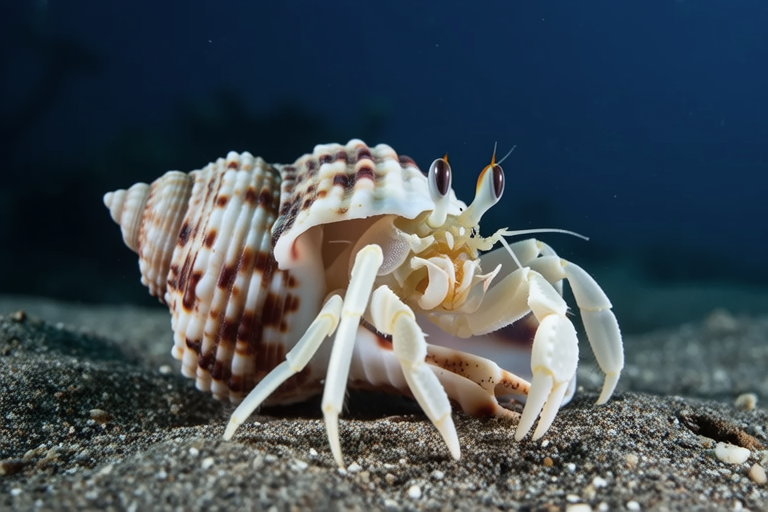
The Unique Lifecycle and Ecological Role of Pea Crabs
Pea crabs (Pinnotheres) are small crustaceans known for their intriguing symbiotic relationships with various marine organisms. These tiny crustaceans play an essential role in marine ecosystems, yet their existence remains relatively unknown to many. This article explores the lifecycle, ecological role, and adaptations of pea crabs, focusing on their symbiotic relationship with sea creatures like mussels and sea cucumbers. We will also delve into their habitat, geographical distribution, reproduction process, and the challenges they face in their environment. Additionally, we’ll examine any cultural or culinary significance these crabs may hold.
Habitat and Geographical Distribution
Pea crabs inhabit coastal waters worldwide, ranging from shallow intertidal zones to depths of over 100 meters. They prefer environments rich in biodiversity, such as estuaries, bays, and mangroves, where their hosts—mollusks like mussels and oysters—are abundant. The geographical distribution of pea crabs is vast, spanning from the Arctic to tropical regions, including both temperate and subtropical seas.
Symbiotic Relationships
Pea crabs form obligate commensal relationships with their hosts, meaning they rely entirely on their hosts for survival. The most common hosts for pea crabs are bivalve mollusks, particularly mussels and oysters. These crabs enter the mantle cavity of their hosts, where they feed on plankton and detritus filtered by the host’s gills. In return, pea crabs offer no direct benefit to their hosts but do not harm them either, making this relationship commensal.
Another notable symbiotic relationship exists between pea crabs and sea cucumbers. Some species of pea crabs live inside sea cucumbers, feeding on the host’s digestive tract contents while providing protection against predators. This unique arrangement underscores the versatility of pea crabs in adapting to different hosts.
Adaptations for Host Living
To thrive within their hosts, pea crabs have developed several remarkable adaptations. Their flattened bodies allow them to fit comfortably within the narrow spaces of bivalve shells or sea cucumber intestines. Furthermore, their small size enables them to move freely within the host without causing significant damage. Pea crabs also possess specialized mouthparts that enable efficient feeding on plankton and detritus filtered by the host’s gills.
In addition to physical adaptations, pea crabs exhibit behavioral modifications that enhance their survival within hosts. For instance, they can adjust their feeding patterns based on the availability of food within the host, ensuring optimal nutrition while minimizing competition with their hosts.
Reproduction and Lifecycle
The reproductive cycle of pea crabs begins when males release sperm into the water column. Females then capture these sperm packets through their gill chambers, where fertilization occurs internally. After fertilization, females carry developing embryos on their undersides until they hatch into free-swimming larvae.
Once hatched, larvae enter the planktonic stage, drifting with ocean currents before settling near suitable host species. Upon finding a compatible host, larvae undergo metamorphosis, transforming into juvenile crabs that eventually take up residence within the host’s body cavity.
This complex lifecycle ensures genetic diversity among pea crab populations while maintaining close ties between generations through shared habitats. However, it also presents challenges for pea crabs, as finding suitable hosts can be difficult due to environmental factors such as pollution or overfishing.
Challenges in the Environment
Pea crabs face numerous threats in their natural habitats, including climate change, pollution, and overfishing. Rising sea temperatures and increased acidity levels can disrupt the delicate balance of marine ecosystems, affecting both pea crabs and their hosts. Pollution, especially plastic waste, poses another significant threat by altering habitats and introducing harmful chemicals into the food chain.
Overfishing of bivalve mollusks and other potential hosts reduces available resources for pea crabs, forcing them to compete more intensely for limited space and food. Moreover, commercial fishing practices can inadvertently remove pea crabs from their hosts, disrupting their lifecycles and reducing population numbers.
Cultural and Culinary Significance
While pea crabs do not typically feature prominently in human diets, some cultures have historically incorporated them into traditional dishes. For example, in certain parts of Asia, pea crabs found inside mussels are considered a delicacy and are sometimes served whole as part of gourmet meals.
Despite their potential culinary appeal, pea crabs remain largely overlooked in mainstream cuisine due to their small size and relative rarity compared to other seafood options. However, as awareness grows about sustainable fishing practices and the importance of preserving marine biodiversity, there may be renewed interest in incorporating these tiny crustaceans into more diverse culinary offerings.
Conclusion
Pea crabs represent a fascinating aspect of marine biology, showcasing the intricate web of life that exists beneath the waves. Through their symbiotic relationships with bivalve mollusks and sea cucumbers, these tiny crustaceans play crucial roles in maintaining healthy ecosystems. Understanding the lifecycle, adaptations, and challenges faced by pea crabs provides valuable insights into broader ecological processes and highlights the need for continued conservation efforts.
As we continue to explore the depths of our oceans, it is essential to recognize the unique contributions made by organisms like pea crabs. By protecting their habitats and promoting sustainable practices, we can ensure that future generations will have the opportunity to appreciate these remarkable creatures and the vital services they provide.