
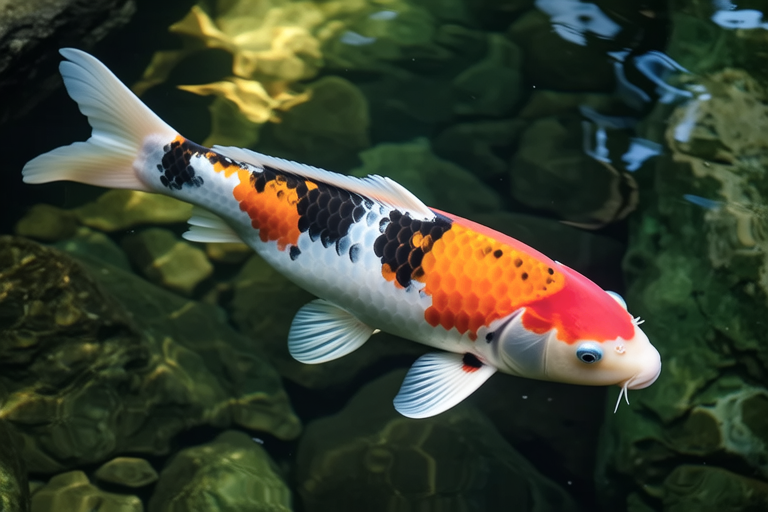
Breathtaking Beauty: Unveiling the Majestic World of Koi Fish
Koi fish, known for their vibrant colors and graceful movements, have captivated people around the world for centuries. Originating in Japan, these ornamental fish have deep cultural significance, symbolizing strength, perseverance, and beauty. This article delves into the captivating world of koi, exploring their history, colors, symbolism, and care requirements.
The Origins and Cultural Significance of Koi Fish
Native to Japan, koi fish (Cyprinus carpio) have been bred for centuries, evolving from common carp into the stunning creatures we know today. In Japanese culture, koi are revered for their resilience and endurance. They are often depicted in art and literature, symbolizing success, good fortune, and longevity. The practice of keeping koi ponds dates back to the Heian period (794–1185 CE), when they were first introduced to Japan from China. Over time, koi became symbols of wealth and status, with elaborate ponds becoming fixtures in many Japanese gardens.
Diverse Colors and Patterns of Koi
One of the most striking aspects of koi is their wide range of colors and patterns. From the bold red-and-white Sanke to the deep blue-and-black Shusui, each variety showcases unique aesthetics. These variations are the result of selective breeding, a process that has been refined over generations. Breeders carefully select fish with desirable traits, such as color intensity and pattern clarity, to produce offspring that inherit these qualities. This meticulous breeding has resulted in an array of stunning combinations, making koi a favorite among aquarium enthusiasts.
Symbolism Behind Koi Fish
Koi fish hold significant symbolic meaning, particularly in relation to strength and perseverance. According to legend, koi once swam up the Yellow River, overcoming numerous obstacles, including waterfalls. Upon reaching the top, they transformed into dragons, a powerful symbol of strength and transformation. This story has inspired countless tales and artworks, reinforcing the koi’s reputation as a symbol of determination and resilience. In Japan, it is customary to gift koi-themed items to individuals celebrating milestones like graduations or promotions, signifying their journey towards success.
The Ideal Environment for Koi
To ensure the well-being of koi fish, providing them with an optimal environment is crucial. A properly set-up pond is essential, offering ample space for swimming and hiding. The pond should be at least 3 feet deep to maintain stable water temperatures and prevent freezing during winter. Additionally, incorporating plants and rocks creates a natural habitat, enhancing both the fish’s comfort and the pond’s aesthetic appeal.
Water quality plays a pivotal role in maintaining healthy koi. Regular testing and adjustments of pH levels, ammonia, and nitrite concentrations are necessary to ensure a safe environment. Proper filtration systems are vital for maintaining clean water, preventing the buildup of harmful substances. Additionally, installing aeration devices ensures sufficient oxygen levels, promoting overall health.
Essential equipment for koi ponds includes pumps, filters, heaters, and UV sterilizers. Pumps facilitate water circulation, while filters remove debris and waste. Heaters maintain consistent temperatures, especially during colder months. UV sterilizers help control algae growth and reduce the risk of infections. Regular maintenance of this equipment is key to ensuring its effectiveness.
Tips for Feeding and Maintaining Health
Proper nutrition is vital for the health and longevity of koi. High-quality koi food, rich in protein and nutrients, should be provided regularly. It is important to feed koi small amounts several times a day rather than large quantities infrequently. This approach promotes digestion and prevents waste accumulation. As the seasons change, adjusting the diet to reflect the koi’s nutritional needs is advisable. During colder periods, reducing the frequency of feeding can prevent digestive issues.
Regular monitoring of water parameters and conducting partial water changes are essential for maintaining a healthy environment. Testing kits can help identify any imbalances, allowing for timely corrections. Additionally, quarantine procedures for new additions to the pond can prevent the spread of diseases. Consulting with a veterinarian specializing in aquatic animals can provide further guidance on health maintenance.
The Emotional and Aesthetic Value of Koi
Koi fish offer more than just companionship; they bring emotional and aesthetic value to their surroundings. Their presence can create a serene and tranquil atmosphere, transforming spaces into peaceful retreats. Observing koi gracefully swim through the water can evoke a sense of calm and wonder, making them cherished additions to gardens and ponds. Beyond their visual appeal, koi serve as living art, embodying the beauty and harmony found in nature. Their presence encourages mindfulness and appreciation for the intricate details of life.
In conclusion, koi fish are more than just pets; they are living works of art that enrich our lives with their beauty and symbolism. By understanding their origins, appreciating their diversity, and providing proper care, we can fully embrace the majesty of these remarkable creatures. Whether you’re a seasoned aquarist or a novice enthusiast, koi offer endless opportunities for learning and enjoyment.