
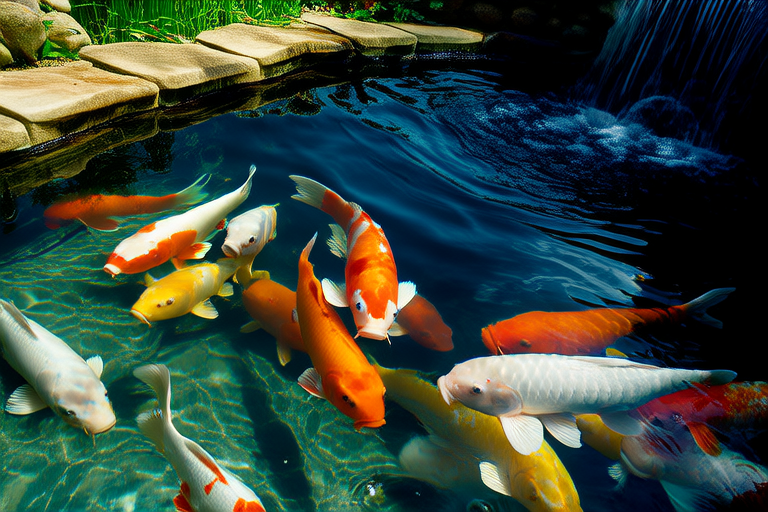
How to Create an Ideal Habitat for Your Koi Pond at Home
Creating a koi pond at home is a rewarding endeavor that can transform your backyard into a serene oasis. However, ensuring that your koi fish thrive requires careful planning and attention to detail. This comprehensive guide will walk you through the process of creating an ideal habitat for your koi pond, covering everything from selecting the perfect location to maintaining optimal water chemistry.
Selecting the Perfect Location
The first step in creating a koi pond is choosing the right location. The area should receive ample sunlight, ideally between four to six hours per day, to promote plant growth and algae control. Avoid placing the pond under large trees, as falling leaves and debris can compromise water quality. Additionally, consider the proximity to your home for easy access and maintenance. Ensure the site is level or slightly sloped to allow for proper drainage and prevent water from pooling in low areas.
Pond Size and Shape Considerations
The size and shape of your koi pond play crucial roles in its functionality and aesthetic appeal. As a general rule, the pond should be at least 18 inches deep, with deeper areas recommended for colder climates. A larger pond provides more room for fish to swim and helps maintain stable water temperatures. Regarding shape, opt for a natural design over rigid geometric forms to create a more inviting environment for both fish and observers. Curved edges and irregular shapes contribute to a more organic appearance, enhancing the overall beauty of the pond.
Filtration Systems Essential for Water Quality
High-quality filtration is vital for maintaining clean and healthy water conditions in your koi pond. Mechanical filters remove large particles like leaves and debris, while biological filters house beneficial bacteria that break down harmful substances such as ammonia and nitrite. Chemical filtration may also be necessary to address specific issues like high phosphate levels or excessive algae growth. For beginners, investing in a pre-filter system that combines mechanical and biological filtration can simplify setup and maintenance. Advanced hobbyists might explore custom-built systems tailored to their specific needs and pond characteristics.
Suitable Plants for Oxygenation and Aesthetics
Integrating aquatic plants into your koi pond not only enhances its visual appeal but also supports ecosystem balance by providing oxygen and shade. Floating plants like water hyacinths and water lettuce float on the surface, blocking sunlight and reducing algae growth. Submerged oxygenators, including hornwort and cabomba, release oxygen directly into the water, improving overall water quality. Emergent plants, such as cattails and pickerelweed, grow partially submerged and partially above water, offering hiding spots for fish and adding texture to the landscape. When selecting plants, choose species native to your region to ensure they thrive without overwhelming the pond ecosystem.
Necessary Lighting
Proper lighting can dramatically enhance the ambiance of your koi pond during evening hours. Solar-powered LED lights offer an eco-friendly solution, illuminating the water’s surface and highlighting floating plants. Underwater lights provide a magical glow beneath the water, showcasing the graceful movements of your koi fish. When installing lights, position them strategically to avoid glare and ensure even distribution of light across the pond. Consider incorporating motion-sensor switches to conserve energy and prevent unnecessary illumination when no one is around.
Temperature Control Methods
Maintaining appropriate water temperatures is critical for the health and well-being of your koi fish. In warmer climates, shading the pond with floating plants or erecting a pergola covered in vines can help regulate temperatures during hot summer months. Conversely, in colder regions, insulating the pond with a layer of bubble wrap beneath the liner or installing a heater can prevent freezing. Advanced hobbyists might explore the use of heat exchangers or solar-powered heating systems for more efficient temperature management. Regularly monitoring water temperature with a thermometer allows you to take corrective action if necessary.
Tips for Maintaining Optimal Water Chemistry
Consistent monitoring and adjustment of water parameters are key to maintaining a healthy koi pond. Test kits should include tests for pH, ammonia, nitrite, nitrate, and alkalinity. Aim for a pH range between 7.0 and 8.5, with consistent readings being more important than hitting a specific number. Ammonia and nitrite levels should always read zero, indicating a fully cycled filtration system. Nitrate levels should remain below 50 ppm, requiring periodic partial water changes if higher. Alkalinity should be maintained between 80 and 120 ppm to buffer against pH fluctuations. Using products designed specifically for koi ponds can help stabilize these parameters and promote a thriving environment.
The Importance of Regular Maintenance
Regular maintenance is essential for the longevity and success of your koi pond. Weekly tasks include checking water levels, cleaning filters, and removing any visible debris. Monthly activities involve testing water parameters and performing partial water changes. Seasonal chores, such as cleaning the bottom of the pond and inspecting equipment, should be done every few months. By establishing a routine schedule, you can prevent small issues from escalating into major problems. Additionally, keeping detailed records of your maintenance activities allows you to track trends and identify potential areas for improvement.
The Impact of Environmental Factors on Koi Health
Environmental factors significantly influence the health and behavior of koi fish. Pollution, poor water quality, and inadequate filtration systems can lead to stress, disease, and reduced lifespan. Providing a balanced diet rich in nutrients is also crucial for maintaining optimal health. Feed your koi a variety of foods, including pellets, flakes, and live or frozen treats, to ensure they receive all necessary vitamins and minerals. Limit feeding to once or twice daily, giving them only what they can consume within five minutes to prevent overfeeding and subsequent water contamination.
Practical Advice for Beginners and Advanced Hobbyists Alike
For beginners, starting with a smaller pond and simpler filtration system can ease the learning curve and reduce initial costs. Gradually expand your setup as you gain experience and confidence. Advanced hobbyists may experiment with innovative designs and technologies, pushing the boundaries of what’s possible in koi pond construction. Regardless of skill level, embracing a spirit of continuous learning and adaptation ensures long-term success and enjoyment.