
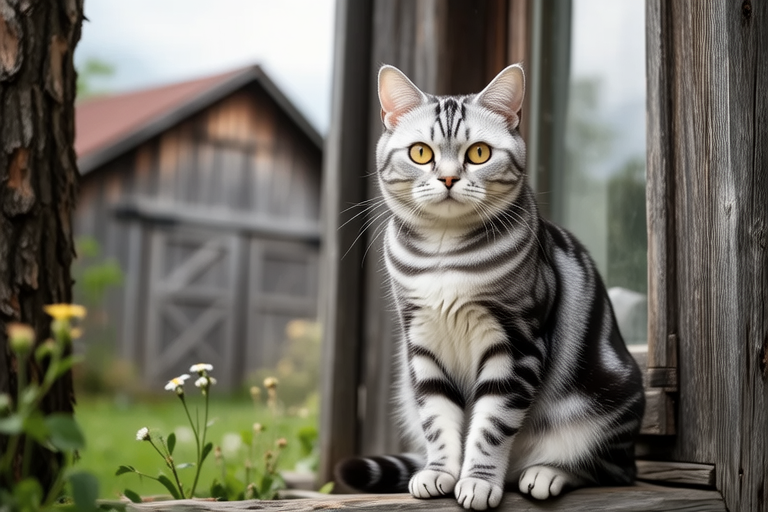
American Shorthair Cats: A Breed’s Journey from Barnyards to Bedrooms
The American Shorthair is a breed of domestic cat that has made a remarkable journey from humble beginnings in barnyards to becoming a cherished member of households across America. Known for their robust physique, friendly demeanor, and adaptability, these cats have captured the hearts of many pet owners. This article explores the history, characteristics, and enduring appeal of the American Shorthair cat, tracing its path from rural pest controllers to beloved companions.
Origins in Barnyards
The story of the American Shorthair begins in the early days of European colonization, when settlers brought cats along with them to North America. These felines were primarily valued for their ability to control rodent populations, which were rampant in the newly established agricultural communities. As settlers cleared lands and built homes, barns, and farms, cats like the American Shorthairs played a crucial role in maintaining the balance between crops and pests.
These cats were not only effective at keeping mice and rats at bay but also adapted well to various environments. Their strong, muscular bodies and hardy nature made them resilient against the harsh conditions of rural life. Over time, the cats interbred with local feline populations, leading to the development of the distinctive American Shorthair breed.
Pest Control Pioneers
The American Shorthair’s reputation as a skilled hunter was solidified during the Great Depression in the 1930s. Farmers and homesteaders relied heavily on these cats to protect their livelihoods. The cats’ prowess in hunting rodents was invaluable, helping to prevent crop damage and food spoilage. Their efficiency earned them a place of honor among farmers and rural families, who appreciated their practical contributions to daily life.
During this period, the American Shorthair gained recognition for its role in pest control. The breed’s adaptability and hunting skills made it indispensable in both urban and rural settings. In cities, they helped reduce the rat population, which was a significant public health concern. In rural areas, they protected grain stores and other valuable resources from marauding rodents.
The Transition to Bedroom Companions
The transition of the American Shorthair from barnyard protector to indoor companion began in the mid-20th century. As living standards improved and suburbanization spread, people started to view cats less as working animals and more as companions. The American Shorthair’s friendly and sociable nature made it a natural fit for family life.
In 1966, the American Shorthair was officially recognized by the Cat Fanciers’ Association (CFA), further cementing its status as a desirable breed. The breed’s increasing popularity can be attributed to several factors, including its gentle temperament, low maintenance, and suitability for both indoor and outdoor living. By the late 20th century, the American Shorthair had become one of the most popular cat breeds in the United States.
Physical Characteristics
American Shorthair cats are known for their robust build and striking appearance. They typically have a broad chest, strong legs, and a muscular body, which reflects their heritage as efficient hunters. Their heads are round with prominent cheeks, and their eyes are large and expressive, often reflecting a range of colors such as green, blue, or copper. The breed’s coat is short and dense, providing excellent protection against the elements. Coat colors vary widely, with silver tabby being the most common, but black, white, and calico patterns are also prevalent.
The American Shorthair’s physical attributes make it well-suited for both indoor and outdoor living. Its thick, short fur requires minimal grooming, making it a practical choice for busy families. The breed’s resilience and adaptability ensure that it can thrive in various environments, from bustling city apartments to spacious country homes.
Temperament and Health Traits
One of the American Shorthair’s most endearing qualities is its calm and friendly temperament. These cats are known for their patience and tolerance, making them excellent companions for children and other pets. They are generally affectionate without being overly demanding, striking a balance between independence and companionship. Their sociable nature makes them ideal for families seeking a loving yet low-maintenance pet.
Health-wise, American Shorthairs are generally healthy and long-lived, with an average lifespan of 15 years or more. They are prone to certain genetic conditions, such as hypertrophic cardiomyopathy, a type of heart disease, and polycystic kidney disease. Regular veterinary check-ups and a balanced diet are essential for maintaining their overall health. Early detection and management of these conditions can significantly improve the quality of life for affected cats.
Care Requirements
Maintaining an American Shorthair is relatively straightforward due to their low-maintenance needs. Their short, dense coats require minimal grooming, usually involving weekly brushing to remove loose hair and distribute skin oils. Bathing is rarely necessary unless the cat gets particularly dirty. Providing a high-quality diet rich in protein and essential nutrients is crucial for their health and longevity.
American Shorthairs enjoy interactive play and mental stimulation. Owners can engage their cats with toys, puzzle feeders, and regular play sessions to keep them mentally sharp and physically active. Regular exercise helps prevent obesity, which is a common issue in indoor cats. Additionally, providing scratching posts and climbing structures encourages natural behaviors and aids in claw maintenance.
Historical Figures and Events
The rise of the American Shorthair to prominence can be traced back to several key figures and events. One notable figure is Jean Mill, a breeder who played a pivotal role in establishing the breed’s standard and promoting its unique qualities. Mill’s dedication to preserving the breed’s integrity and enhancing its appeal contributed significantly to its growing popularity.
The breed’s inclusion in cat shows and exhibitions also boosted its visibility. Exhibitions provided a platform for breeders to showcase their cats and share knowledge about proper breeding practices. The CFA’s recognition in 1966 was a turning point, as it validated the breed’s distinctiveness and set the stage for its widespread adoption.
Continued Favoritism Among Cat Enthusiasts
Today, the American Shorthair remains a favorite among cat enthusiasts for several reasons. Its friendly, adaptable nature makes it a perfect fit for diverse households. Whether living in a bustling city apartment or a quiet rural home, the breed thrives in a variety of environments. Its robust health and low-maintenance care requirements make it an attractive option for busy families and first-time pet owners alike.
The breed’s versatility extends beyond its adaptability to its role as a companion. American Shorthairs are known for their playful yet gentle demeanor, making them ideal companions for children and other pets. Their intelligence and curiosity make them engaging partners in interactive play, fostering a strong bond between owner and cat.
In conclusion, the American Shorthair’s journey from barnyards to bedrooms is a testament to its enduring appeal. From its humble beginnings as a rodent controller to its current status as a beloved household pet, this breed has captured the hearts of many. Its physical characteristics, friendly temperament, and robust health continue to make it a favorite among cat lovers. As long as there are families seeking loyal, affectionate companions, the American Shorthair will remain a cherished part of American households.