
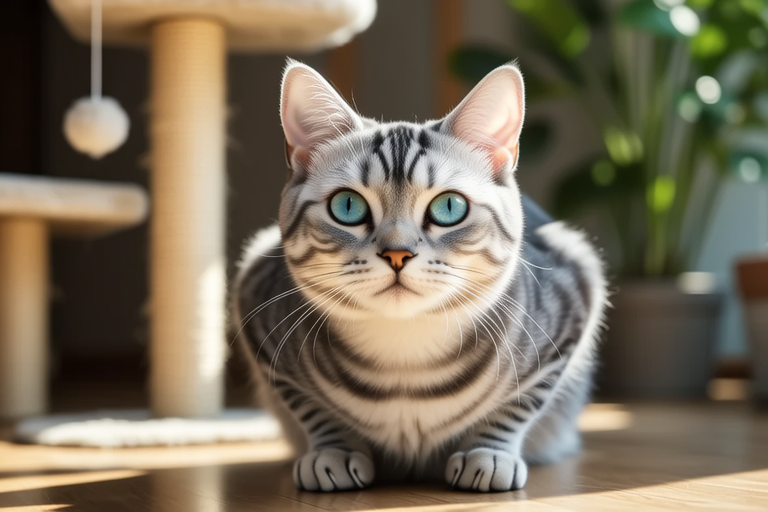
Secrets to Keeping Your American Shorthair Healthy and Happy
Welcome to the world of American Shorthairs! These beautiful, sturdy cats have been a beloved part of many households for centuries. With their calm demeanor and affectionate nature, they make wonderful companions. However, like all pets, they require specific care to ensure they stay healthy and happy. In this guide, we will explore essential dietary needs, exercise requirements, grooming tips, common health issues, and behavioral insights specific to American Shorthairs. We’ll also emphasize the importance of preventive care, regular vet visits, and environmental enrichment for their well-being.
Dietary Needs: The Foundation of Health
The cornerstone of any cat’s health is its diet. American Shorthairs are known for their robust constitution, but that doesn’t mean they can survive on just any food. A balanced diet rich in proteins, fats, and carbohydrates is crucial. High-quality commercial cat foods or home-cooked meals formulated by a veterinarian are recommended. Look for foods that list meat as the primary ingredient and avoid those with fillers like corn or wheat.
American Shorthairs are prone to obesity if overfed, so portion control is key. Consult your veterinarian to determine the right amount of food based on your cat’s age, weight, and activity level. Fresh water should always be available, and consider adding wet food to increase hydration, especially if your cat tends to drink less.
Exercise Requirements: Staying Active
While American Shorthairs may appear lazy at times, they still need regular physical activity to maintain their health. Obesity is a significant concern for this breed, leading to various health problems like diabetes and arthritis. Encourage playtime with interactive toys like feather wands, laser pointers, or puzzle feeders. These toys stimulate both body and mind, helping to prevent boredom and destructive behavior.
In addition to playtime, providing climbing structures or scratching posts can help your cat stay active and maintain muscle tone. Regular exercise helps prevent weight gain and keeps your cat mentally stimulated, reducing stress and anxiety.
Grooming Tips: Maintaining a Clean Coat
American Shorthairs have short, dense coats that require minimal grooming compared to long-haired breeds. However, regular brushing can help remove loose hair and distribute natural oils throughout the coat, keeping it shiny and healthy. Use a slicker brush or a fine-tooth comb to gently brush your cat once or twice a week.
Bathing is generally unnecessary unless your cat gets particularly dirty or has a medical condition requiring it. Over-bathing can strip the skin of its natural oils, leading to dryness and irritation. If you do need to bathe your cat, use a gentle, pH-balanced shampoo designed for cats and rinse thoroughly to avoid skin irritation.
Regular nail trimming is also important. Long nails can cause discomfort and lead to injury. Invest in a good quality pair of cat nail clippers and trim your cat’s nails every few weeks. If your cat resists, start slowly and offer treats as positive reinforcement.
Common Health Issues: Being Proactive
Like all breeds, American Shorthairs are susceptible to certain health conditions. Some of the most common include:
- Hypertrophic Cardiomyopathy (HCM): This is a heart disease where the walls of the heart thicken, potentially leading to heart failure. Early detection is critical, so discuss screening options with your veterinarian.
- Feline Lower Urinary Tract Disease (FLUTD): FLUTD encompasses a range of urinary tract disorders, including cystitis and bladder stones. Symptoms include frequent urination, difficulty urinating, and blood in the urine. Environmental stressors and poor diet can contribute to FLUTD, so provide a low-stress environment and monitor your cat’s diet.
- Obesity: As mentioned earlier, obesity is a significant concern for this breed. It can lead to a host of other health issues, including diabetes and arthritis. Regular exercise and proper nutrition are key to preventing obesity.
Preventive care is vital in maintaining your American Shorthair’s health. Schedule routine veterinary check-ups, vaccinations, and dental cleanings. Dental hygiene is often overlooked but is crucial for overall health. Brush your cat’s teeth regularly or provide dental chews to help reduce plaque and tartar buildup.
Behavioral Insights: Understanding Your Cat
American Shorthairs are known for their calm, gentle temperament. They tend to be more independent than some other breeds, but they still crave companionship and attention. Spend time interacting with your cat daily through play, cuddling, or simply sitting together. This strengthens your bond and provides mental stimulation.
These cats are generally good with children and other pets, making them ideal family companions. However, early socialization is key to ensuring they get along well with others. Expose your kitten to different people, animals, and environments from a young age to help them become well-adjusted adults.
American Shorthairs can be quite vocal, especially when they want something. They communicate through meowing, purring, and body language. Pay attention to these cues and respond appropriately to strengthen your relationship.
Environmental Enrichment: Creating a Stimulating Home
American Shorthairs thrive in environments that provide mental and physical stimulation. Create a space that encourages exploration and play. Provide scratching posts, climbing structures, and hiding spots to mimic their natural hunting behaviors. Rotate toys periodically to keep things interesting and prevent boredom.
Ensure your cat has access to high perches and sunny spots. Cats love to observe their surroundings from elevated positions, and natural light promotes healthy vitamin D production. Consider adding bird feeders outside windows or installing a fish tank to give your cat something to watch.
Regular Vet Visits: Preventive Care is Key
Regular veterinary check-ups are essential for maintaining your American Shorthair’s health. Annual exams allow your veterinarian to catch potential issues early and address them before they become serious. During these visits, your veterinarian will perform a thorough physical examination, review your cat’s vaccination records, and discuss any concerns you may have.
Vaccinations are crucial for protecting your cat against diseases like rabies, feline leukemia, and distemper. Depending on your cat’s lifestyle and risk factors, additional vaccines may be recommended. Parasite prevention, including flea, tick, and heartworm treatments, is also important, especially if your cat goes outdoors.
Closing Thoughts: Cherishing Your American Shorthair
Owning an American Shorthair is a rewarding experience. By understanding their unique needs and providing proper care, you can ensure they live a long, healthy, and happy life. Remember to prioritize their dietary needs, encourage regular exercise, maintain a grooming routine, stay vigilant about potential health issues, understand their behavior, and create a stimulating environment. Most importantly, cherish the bond you share with your furry companion.
With love and attention, your American Shorthair will bring joy and companionship into your life for years to come. Happy petting!