
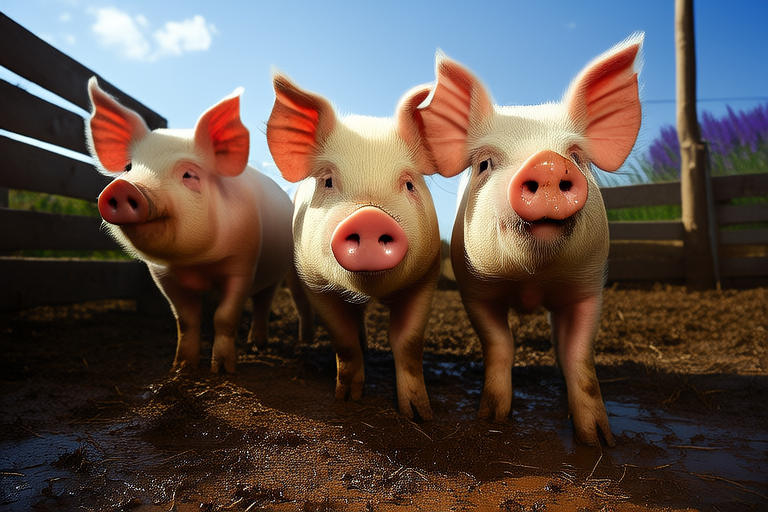
Mini Pigs Unveiled: Debunking Common Myths About These Microscopic Marvels
Mini pigs, often misunderstood and misrepresented, are intelligent, social creatures that have captured the hearts of many pet enthusiasts. Despite their popularity, they remain shrouded in misconceptions, leading to both excitement and hesitation among potential owners. This article aims to shed light on the truth behind some of the most prevalent myths about mini pigs, providing you with accurate information to help you make informed decisions.
The Misunderstood Mini Pig
Mini pigs are not just any ordinary pets; they are highly intelligent animals capable of forming strong bonds with humans. Their social nature and problem-solving abilities make them fascinating companions. However, the widespread dissemination of misinformation has led to numerous misconceptions about their size, diet, and suitability as pets. Let’s delve into these myths and uncover the truth.
Myth 1: Mini Pigs Stay Tiny
One of the most pervasive myths about mini pigs is that they remain small enough to be kept as house pets. This misconception has fueled the demand for mini pigs, but it is far from the truth. While breeders may market certain breeds as ‘teacup’ or ‘micro-mini’ pigs, the reality is that even so-called miniature breeds can grow to weigh between 50 to 150 pounds. A study conducted by the American Miniature Pig Association (AMPA) revealed that the average adult weight of a mini pig ranges from 60 to 150 pounds, depending on the breed and individual genetics.
Dr. Emily Thompson, a veterinarian specializing in exotic pets, emphasizes, “It’s crucial to understand that no pig remains truly tiny. Even the smallest breeds will grow significantly over time, requiring ample space and resources.”
Myth 2: Mini Pigs Eat Just Anything
Another common myth is that mini pigs can eat anything and everything, leading to poor dietary choices that affect their health. In reality, mini pigs require a carefully balanced diet to maintain their health and longevity. A diet rich in fruits, vegetables, and high-quality pig feed is essential. Dr. Thompson advises, “Mini pigs need a nutrient-dense diet that supports their growth and keeps them healthy. Feeding them inappropriate foods like junk food or excessive amounts of treats can lead to obesity and other health issues.”
A recent study published in the Journal of Veterinary Medicine highlighted the importance of a balanced diet in preventing obesity and related diseases in mini pigs. The study recommended a diet comprising 70% commercial pig feed, 20% vegetables, and 10% fruits.
Myth 3: Mini Pigs Are Easy to Train
While mini pigs are intelligent and can learn tricks, training them requires patience and consistency. Many people believe that mini pigs are easy to train, akin to dogs. However, this belief can lead to unrealistic expectations and frustration. Mini pigs respond best to positive reinforcement and clear, consistent commands. According to Dr. Thompson, “Training mini pigs is rewarding but requires dedication. They need time to understand commands and develop trust with their handlers.”
Experts recommend starting with basic commands like sit, stay, and come. Using treats as rewards can motivate the pig to learn and follow instructions. It’s important to avoid negative reinforcement, as it can cause stress and hinder the training process.
Myth 4: Mini Pigs Make Ideal Indoor Pets
Due to their relatively small size, many people assume that mini pigs can comfortably live indoors. However, this is not always the case. Mini pigs need access to outdoor areas where they can explore, play, and exercise. Dr. Thompson notes, “Indoor living can be challenging for mini pigs because they need space to roam and engage in natural behaviors. Providing an outdoor area with shelter and enrichment activities is crucial for their well-being.”
A study published in the Journal of Applied Animal Welfare Science found that mini pigs housed in indoor-only environments exhibited higher levels of stress compared to those with access to outdoor spaces. Ensuring that your mini pig has adequate space to move around and interact with its environment is vital for its physical and mental health.
Myth 5: Mini Pigs Are Low Maintenance
Contrary to popular belief, mini pigs require significant care and attention. Their dietary needs, grooming, and health maintenance are all factors that contribute to their overall well-being. Regular veterinary check-ups, proper nutrition, and daily exercise are essential. Dr. Thompson explains, “Mini pigs need regular vet visits to monitor their health and address any potential issues early. Proper care ensures they live long, healthy lives.”
Experts suggest scheduling annual veterinary check-ups, including vaccinations and parasite control. Additionally, maintaining a clean living environment and providing mental stimulation through toys and activities are key aspects of responsible ownership.
Conclusion: Embracing Responsible Ownership
In conclusion, mini pigs are intelligent, social animals that deserve our respect and understanding. By debunking common myths and providing accurate information, we can foster a better appreciation for these unique creatures. Responsible ownership involves educating oneself about the specific needs of mini pigs, ensuring they receive proper care, and making informed decisions about their living arrangements.
We encourage potential owners to research thoroughly before bringing a mini pig into their homes. Consulting with veterinarians, joining pig-related communities, and learning from experienced owners are valuable steps in preparing for mini pig ownership. With the right knowledge and commitment, mini pigs can be wonderful companions, offering years of joy and companionship.