
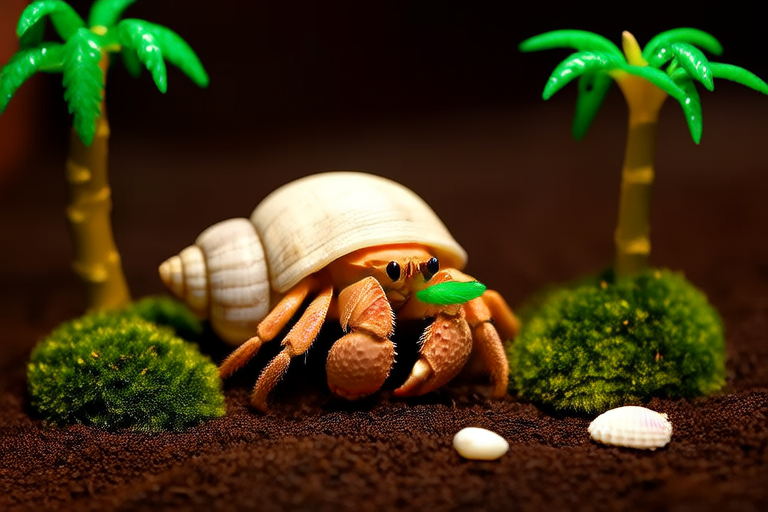
DIY Guide for Setting Up an Ideal Habitat for Tiny Hermit Crabs
Welcome to your comprehensive DIY guide on creating the perfect habitat for your tiny hermit crabs. This guide will walk you through every step, from choosing the right tank size to providing essential elements that ensure the health and happiness of your crustacean friends. We’ll cover substrate, water dishes, hiding spots, temperature control, hygiene maintenance, and safe tank mates and decorations. Let’s dive into the world of hermit crab care!
Choosing the Right Tank Size
The first step in setting up your hermit crab habitat is selecting an appropriately sized tank. Hermit crabs are social creatures and thrive in groups, so it’s important to provide enough space for multiple crabs to live comfortably together.
- Minimum Tank Size: A 10-gallon aquarium is suitable for a small group of hermit crabs. For larger groups, consider a 20-gallon or bigger tank.
- Vertical Space: Hermit crabs love climbing, so choose a tank with adequate vertical space to accommodate their natural behavior.
Ensure the tank has a secure lid to prevent escape. Hermit crabs are curious and can squeeze through small openings.
Essential Elements for Your Hermit Crab Habitat
Substrate
Adequate substrate is crucial for your hermit crabs’ health and well-being. The substrate serves as a living area, a place for molting, and a source of calcium and other minerals necessary for their exoskeletons.
- Recommended Substrates: Use a mix of coconut fiber and calcium sand. Coconut fiber retains moisture and provides a natural environment, while calcium sand offers essential minerals for molting.
- Depth: Aim for a depth of at least four inches to allow your hermit crabs to burrow comfortably.
- Mixing Substrates: Combine equal parts coconut fiber and calcium sand for optimal conditions.
Regularly check the substrate for signs of mold or decay. Replace it if necessary to maintain hygiene and prevent health issues.
Water Dishes
Hermit crabs require access to both fresh and saltwater to maintain proper hydration and balance their internal systems.
- Fresh Water Dish: Provide a shallow dish filled with dechlorinated water for drinking and soaking. Change the water daily to ensure cleanliness.
- Saltwater Dish: Offer a second shallow dish containing a mixture of filtered tap water and marine aquarium salt. This helps them maintain their shell linings and overall health. Change the saltwater weekly.
- Dish Placement: Place the dishes at different levels within the tank to mimic their natural environment. Ensure they’re not too close to each other to avoid contamination.
Monitor the water levels and cleanliness regularly. Clean the dishes with hot water and replace the water as needed.
Hiding Spots
Hiding spots are vital for hermit crabs as they provide security, reduce stress, and encourage natural behaviors.
- Types of Hiding Spots: Use cork bark, half coconuts, or commercially available shelters. These materials offer a variety of textures and shapes, stimulating exploration and play.
- Placement: Scatter hiding spots throughout the tank to create distinct territories. This mimics their natural environment and reduces competition for limited spaces.
- Rotation: Rotate hiding spots periodically to keep the environment interesting and engaging for your hermit crabs.
Ensure the hiding spots are securely placed to prevent tipping or collapse, which could harm the crabs.
Temperature Control
Maintaining the correct temperature is essential for your hermit crabs’ health and well-being. Hermit crabs are tropical animals and prefer warm, humid environments.
- Optimal Temperature Range: Keep the tank temperature between 75°F and 85°F (24°C to 29°C). Avoid temperatures above 90°F (32°C), as this can be harmful.
- Humidity Levels: Maintain humidity levels between 70% and 80%. Use a hygrometer to monitor humidity and adjust as needed.
- Heating Options: Use under-tank heaters or ceramic heat emitters to maintain consistent warmth. Ensure even heating by placing the heater at one end of the tank, allowing for a temperature gradient.
- Thermometer: Install a digital thermometer to monitor the tank temperature accurately. Place it near the center of the tank for precise readings.
Regularly check the temperature and humidity levels to ensure they remain within the recommended range. Adjust the heating equipment as needed to maintain a stable environment.
Maintaining Hygiene and Stimulating Natural Behaviors
Hygiene Maintenance
Keeping the tank clean is essential for the health and longevity of your hermit crabs. Regular cleaning prevents the buildup of bacteria and ensures a pleasant living environment.
- Spot Cleaning: Remove uneaten food, shed exoskeletons, and any debris daily. Use a siphon or small aquarium vacuum to gently remove waste from the substrate without disturbing it.
- Deep Cleaning: Perform a deep cleaning once a month. Remove all decorations, rinse them thoroughly, and replace the substrate with fresh material. This process removes any accumulated toxins and keeps the environment fresh.
- Water Quality: Change both the fresh and saltwater dishes regularly to prevent bacterial growth. Clean the dishes with hot water and replace the water as needed.
Use gloves and wear protective clothing when handling potentially contaminated materials. Proper hygiene practices minimize the risk of spreading pathogens.
Stimulating Natural Behaviors
To ensure your hermit crabs lead happy and healthy lives, provide opportunities for natural behaviors such as climbing, exploring, and interacting with their environment.
- Vertical Structures: Incorporate branches, driftwood, or commercially available climbing structures to encourage climbing and exploration.
- Decorations: Add shells, rocks, and plants to create a varied and stimulating environment. These items offer different textures and shapes, encouraging curiosity and play.
- Environmental Enrichment: Rotate decorations periodically to keep the environment interesting and engaging. Introduce new objects occasionally to stimulate exploration and discovery.
Observe your hermit crabs regularly to ensure they’re using the provided structures and decorations. Encourage natural behaviors by providing a diverse and dynamic habitat.
Selecting Appropriate Tank Mates and Decorations Safely
Safe Tank Mates
While hermit crabs are social creatures, not all species are compatible. Choose tank mates carefully to ensure a harmonious environment.
- Compatible Species: Opt for hermit crabs from the same genus, such as Clibanarius or Cochlesperma. These species have similar care requirements and are less likely to compete for resources.
- Size Consideration: Avoid housing hermit crabs of significantly different sizes. Larger crabs may bully or harm smaller ones.
- Behavioral Compatibility: Some species are more aggressive than others. Research potential tank mates to ensure compatibility based on behavior and temperament.
Introduce new hermit crabs gradually to the tank to minimize stress and aggression. Monitor interactions closely during the initial period.
Safe Decorations
When selecting decorations for your hermit crab habitat, prioritize safety and durability. Avoid materials that could pose hazards or degrade over time.
- Non-Toxic Materials: Choose decorations made from non-toxic, food-grade materials. Avoid plastic, treated wood, or any substance that could leach chemicals into the substrate or water.
- Durability: Opt for sturdy decorations that can withstand the hermit crabs’ digging and climbing activities. Ensure they don’t easily break or splinter, which could injure the crabs.
- Biodegradable Options: Consider using natural, biodegradable materials like driftwood, seashells, and coconut halves. These items provide a more authentic environment and decompose naturally without harming the crabs.
Regularly inspect decorations for signs of wear or damage. Replace any unsafe or deteriorating items promptly to maintain a safe and healthy habitat.
Conclusion
Setting up an ideal habitat for your tiny hermit crabs requires attention to detail and careful planning. By providing the right substrate, water dishes, hiding spots, and temperature control, you create a nurturing environment that promotes health and happiness. Maintaining hygiene and stimulating natural behaviors further enhances their quality of life. With the right tank mates and safe decorations, your hermit crabs will thrive in a vibrant and enriching home. Follow these guidelines to ensure your crustacean companions lead fulfilling and joyful lives.