
Unveiling the Mysterious Charm of the Abyssinian Cat
The world of feline breeds is rich with diversity, each species bringing its own unique charm and allure. Among them, the Abyssinian cat stands out as one of the most captivating and enigmatic. With a history steeped in mystery and a distinctive appearance that sets it apart from other breeds, the Abyssinian cat has earned a reputation for being both beautiful and intriguing. This article delves into the unique physical characteristics, historical background, temperament, health considerations, and care requirements of the Abyssinian cat, providing an in-depth look at what makes this breed so special.
Physical Characteristics: A Blend of Beauty and Mystery
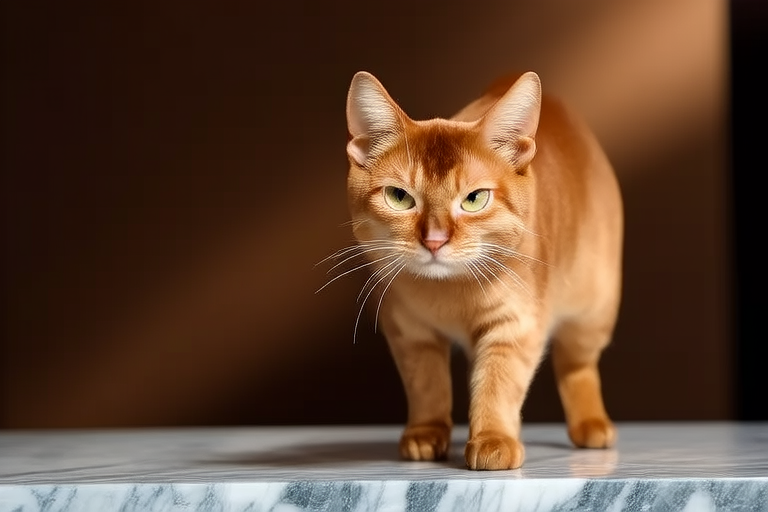
The first thing that strikes one about an Abyssinian cat is its striking appearance. These cats possess a sleek, muscular build, complemented by a short, silky coat that is often described as having a ‘ticked’ pattern. Each hair on their body is banded with different colors, creating a gradient effect that adds depth and dimension to their fur. The most common color variation is known as ruddy, characterized by a warm, reddish-brown base with black ticking. Other recognized colors include blue, fawn, and cinnamon, each adding its own unique touch to the Abyssinian’s already distinctive look.
One of the most striking features of the Abyssinian cat is its almond-shaped eyes. Large and expressive, they come in shades of green, gold, or hazel, further enhancing the cat’s mysterious allure. The combination of these almond-shaped eyes and their sleek, ticked coats makes the Abyssinian cat appear almost regal, as if it has stepped directly out of a fairytale.
A History Shrouded in Myth and Mystery
The origins of the Abyssinian cat are as fascinating as its appearance. Despite its name suggesting a connection to Ethiopia (formerly known as Abyssinia), there is no concrete evidence linking the breed to the country. Instead, many believe that the breed may have originated from ancient Egypt, where similar-looking cats were depicted in art and revered as sacred animals. Theories suggest that these cats may have been brought to England by British soldiers returning from the Abyssinian campaign in the mid-19th century.
Another theory posits that the Abyssinian cat may have descended from Asian wildcats, specifically the Asian Leopard Cat. This theory is supported by genetic studies that have shown a close relationship between the Abyssinian and certain Asian wildcat species. Regardless of its true origins, the Abyssinian cat has captured the imagination of people around the world, becoming a symbol of elegance and mystery.
Temperament and Personality: The Mysterious Side of the Abyssinian
Beyond their striking appearance, Abyssinian cats are known for their curious and intelligent nature. They are often described as being highly active and playful, always ready for adventure. Their intelligence makes them quick learners, and they enjoy interactive toys and puzzle feeders that challenge their minds. This curiosity can sometimes lead to trouble, as they may investigate every nook and cranny of their environment, making sure nothing goes unnoticed.
Abyssinians are also known for their independent streak, which contributes to their mysterious aura. While they enjoy companionship and interaction, they prefer to maintain a certain level of autonomy. They are not typically lap cats, preferring instead to observe from a distance. This independence does not mean they are aloof; rather, it reflects their preference for quality over quantity when it comes to social interactions. They form strong bonds with their owners but on their terms, making them a delightful companion for those who appreciate a more reserved yet affectionate pet.
Health Considerations and Dietary Needs
Like all breeds, Abyssinian cats have specific health considerations and dietary needs that potential owners should be aware of. One of the most common health issues affecting Abyssinians is dental disease. Due to their genetics, they are prone to developing periodontal disease, which can lead to tooth loss and other serious health problems if left untreated. Regular dental check-ups and proper oral hygiene practices are essential to maintaining the health of their teeth and gums.
Dietary considerations for Abyssinian cats focus on high-quality protein sources and balanced nutrition. They benefit from a diet that includes lean meats such as chicken, turkey, or fish. It’s important to provide them with a variety of nutrients to support their overall health and well-being. Additionally, Abyssinians may have a higher metabolism compared to other breeds, which means they need more calories to maintain their energy levels. Owners should consult with a veterinarian to determine the appropriate amount and type of food to meet their nutritional needs.
Common ailments among Abyssinian cats include renal amyloidosis, a condition that affects the kidneys, and cardiomyopathy, a heart condition. While these conditions can be serious, regular veterinary care and early detection can help manage and treat them effectively. Genetic testing can also be beneficial for identifying predispositions to certain diseases, allowing for proactive management.
Care and Attention for Thriving Abyssinian Cats
To ensure your Abyssinian cat thrives, it’s crucial to provide them with the right kind of care and attention. Their active nature means they need plenty of space to explore and play. Providing them with a variety of toys and scratching posts can help keep them mentally stimulated and physically active. Interactive play sessions are particularly beneficial, as they allow you to bond with your cat while also meeting their exercise needs.
Grooming is another important aspect of caring for an Abyssinian cat. While their short coat requires minimal maintenance, regular brushing can help remove loose hairs and prevent matting. Bathing should be done sparingly, as Abyssinians tend to groom themselves thoroughly. However, occasional baths may be necessary to keep their coat in top condition.
Mental stimulation is equally important for Abyssinians. Puzzle feeders and interactive toys can help keep their minds sharp and engaged. Enrichment activities such as hiding treats around the house or setting up obstacle courses can provide hours of entertainment and mental exercise. Socialization is also key, especially for Abyssinians who may be less inclined to seek out human interaction. Gradual exposure to different environments, people, and other animals can help them become more comfortable and confident in various settings.
In conclusion, the Abyssinian cat is a breed that captivates with its beauty, intelligence, and mysterious charm. From its striking physical appearance to its independent yet affectionate nature, there is much to admire about this breed. By understanding their unique needs and providing the appropriate care, owners can ensure that their Abyssinian cat lives a long, healthy, and fulfilling life. Whether you’re a seasoned cat enthusiast or a first-time owner, the Abyssinian cat promises to be a rewarding and enchanting companion.