
Unraveling the Mystery of the Abyssinian Cat’s Unique Coat
The Abyssinian cat is one of the most fascinating feline breeds, renowned for its striking appearance and enigmatic history. This breed has captured the hearts of many with its distinctive ticked coat, a feature that sets it apart from other cat breeds. The origin of the Abyssinian cat is shrouded in mystery and myth, adding to its allure. Historically, the breed is believed to have originated in ancient Egypt, where it was revered as a sacred animal. The name ‘Abyssinian’ itself is a nod to Ethiopia, formerly known as Abyssinia, suggesting a link to the region’s ancient civilization.
Mythical associations with the Abyssinian cat abound. In Egyptian mythology, cats were often depicted as divine beings, guardians of the underworld, and symbols of fertility and protection. These beliefs have been perpetuated through the ages, making the Abyssinian cat not just a pet but a symbol of grace and elegance. Despite its name and the myths surrounding it, the true origins of the breed remain somewhat elusive. Some experts believe that the Abyssinian may have descended from cats found in Southeast Asia or India, brought back to England by British soldiers returning from the Abyssinian War in the mid-19th century.
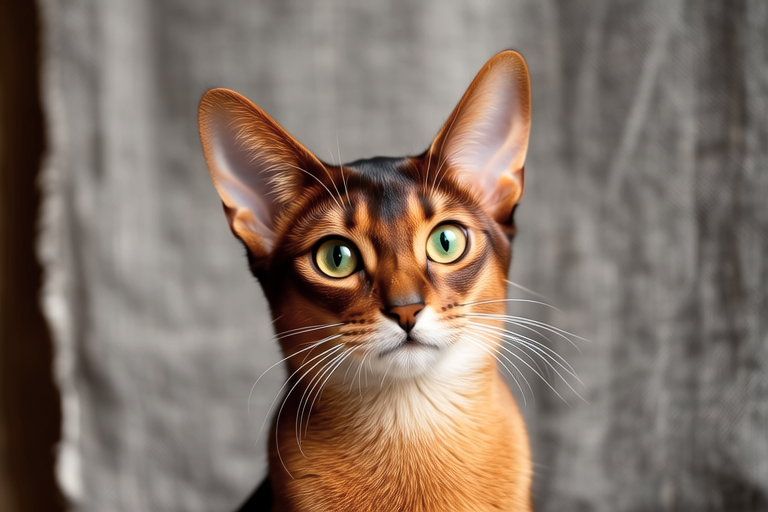
The Abyssinian cat’s most notable feature is its ticked coat pattern. This unique pattern, characterized by individual hairs that are banded with different shades of color, gives the cat a sleek, almost wild appearance. The genetic basis for this pattern lies in a gene known as the ‘agouti’ gene. This gene controls the production of melanin, the pigment responsible for hair color. In Abyssinians, the agouti gene causes each hair to be born dark at the root and lighten toward the tip, creating the distinct banding effect. This genetic trait is not only visually striking but also contributes significantly to the breed’s overall appearance.
The Abyssinian’s coat comes in a variety of colors, each with its own charm and beauty. The most common color is ruddy, which features a warm reddish-brown base with black ticking. Other recognized colors include cinnamon, fawn, blue, and chocolate. Each color variation adds its own dimension to the breed’s already unique look, making it even more diverse and captivating. The variations in color are due to different combinations of genes that influence both the base color and the intensity of the ticking.
Maintaining the Abyssinian’s coat requires specific grooming practices. Due to their short, fine coats, Abyssinians do not require extensive grooming; however, regular brushing is essential to remove loose hairs and prevent matting. A soft-bristled brush or a rubber curry comb can be used for this purpose. Baths should be kept to a minimum, as frequent bathing can strip the coat of its natural oils. Instead, focus on keeping the cat clean with regular brushing and occasional spot cleaning. Additionally, Abyssinians are known to shed seasonally, so during these periods, increased brushing may be necessary to manage shedding.
Despite their relatively low-maintenance grooming needs, it’s important to keep an eye on the health of the Abyssinian’s coat. Regular checks for skin irritations, dandruff, or unusual shedding patterns can help identify any underlying issues early. Abyssinians are generally healthy cats, but like all breeds, they can be prone to certain conditions. One such condition is Periodontal Disease, which can affect the cat’s oral health and, consequently, its overall well-being. Regular dental care, including brushing and professional cleanings, is crucial to maintaining the health of the Abyssinian’s teeth and gums.
The unique coat of the Abyssinian cat plays a significant role in setting it apart from other breeds. Its ticked pattern and vibrant colors make it instantly recognizable and captivating. The breed’s appearance is not just aesthetically pleasing but also reflects its rich history and genetic uniqueness. The Abyssinian’s coat is a testament to the intricate interplay of genetics and environment, resulting in a cat that is both beautiful and intriguing.
In conclusion, the Abyssinian cat’s unique coat is more than just a physical attribute; it is a reflection of the breed’s storied past and genetic heritage. From its mythical origins in ancient Egypt to its distinctive ticked pattern, the Abyssinian continues to captivate cat enthusiasts and potential owners alike. By understanding the genetic basis of its coat and the specific grooming needs of the breed, one can fully appreciate the beauty and charm of this remarkable feline. Whether you’re an experienced cat owner or a first-time pet parent, the Abyssinian’s unique coat makes it a standout choice for those seeking a truly special companion.