
From River to Aquarium: Transforming Your Home with an Exotic Arowana
The world of freshwater aquariums is vast and varied, but few fish can match the exotic allure and regal presence of the arowana. This ancient species has captivated enthusiasts for centuries, not just for its striking appearance, but also for its rich history and cultural significance. In this article, we will explore the unique characteristics of arowanas, their historical background, and the steps necessary to bring one into your home, transforming it into a serene and captivating aquatic haven.
The Exotic Beauty of Arowanas
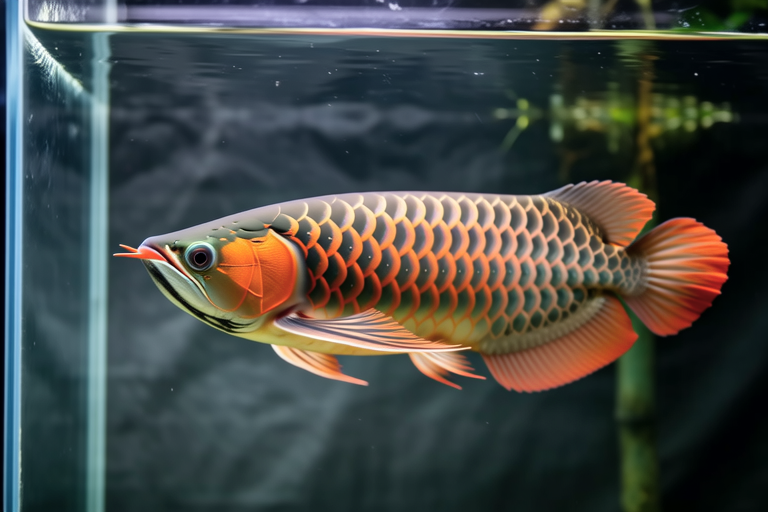
Arowanas belong to the Osteoglossidae family and are known for their prehistoric looks and powerful bodies. These fish are often referred to as “Dragon Fish” due to their elongated bodies, sharp teeth, and iridescent scales that shimmer in various hues of green, gold, and red. Their eyes, set high on their heads, give them excellent vision both above and below the waterline, making them efficient predators. The arowana’s ability to leap out of the water to catch insects and small birds is another remarkable feature, earning them the nickname “water monkeys.” This agility and strength make them a fascinating addition to any aquarium.
Cultural Significance and History
The arowana holds a special place in many cultures, particularly in Asia, where it is considered a symbol of good luck and prosperity. In Chinese culture, the arowana is associated with the dragon, a revered mythical creature, and owning one is believed to bring wealth and protection. Historically, these fish were reserved for royalty and the elite, further cementing their status as a luxurious and prized possession. Today, while anyone can own an arowana, they remain a sought-after pet among collectors and aquarium enthusiasts.
Setting Up the Perfect Aquarium Environment
Tank Size and Layout
Arowanas require ample space to thrive, both physically and mentally. As they grow, so does their need for room. A young arowana may start in a 100-gallon tank, but as they mature, a 300-400 gallon tank is more suitable. The tank should be long rather than deep, allowing the fish to swim horizontally without expending too much energy. Decorations should be minimal to avoid obstructing the arowana’s path or causing injury. Smooth rocks and sturdy plants are ideal, providing hiding spots and visual barriers.
Water Conditions
Arowanas are tropical fish, requiring warm, stable water temperatures between 78°F and 84°F (25°C to 29°C). They prefer slightly acidic to neutral water with a pH range of 6.0 to 7.5. Regular testing of water parameters is crucial, as fluctuations can stress the fish and lead to health issues. A well-maintained filter system is essential to keep the water clean and oxygen-rich, promoting the arowana’s respiratory health.
Filtration Systems
Given their size and active nature, arowanas produce significant amounts of waste, necessitating a robust filtration system. High-quality external filters are recommended, capable of handling large volumes of water efficiently. Additionally, incorporating a protein skimmer can help maintain water clarity and reduce the frequency of water changes. Regular maintenance of the filtration system, including cleaning and replacing media, ensures optimal performance.
Dietary Needs and Feeding Habits
Arowanas are carnivorous and require a diet rich in protein. Their natural diet consists of insects, crustaceans, and smaller fish. In captivity, they can be fed a variety of foods, including live, frozen, and freeze-dried options. Suitable choices include earthworms, bloodworms, krill, and pellets designed for predatory fish. It’s important to feed them multiple small meals throughout the day rather than one large meal, mimicking their natural feeding behavior. Overfeeding can lead to obesity and other health problems, so moderation is key.
Maintaining Health and Well-being
Regular Monitoring
To ensure the arowana’s health, regular monitoring of water quality is essential. Parameters such as temperature, pH, ammonia, nitrite, and nitrate levels should be checked weekly. Any deviations from the ideal ranges should be addressed promptly to prevent stress and disease. Additionally, observing the fish’s behavior and physical condition can provide early warnings of potential health issues. Signs of distress include lethargy, loss of appetite, abnormal swimming patterns, or visible lesions.
Signs of Illness
Recognizing the signs of illness is crucial for timely intervention. Common ailments in arowanas include fungal infections, bacterial diseases, and parasitic infestations. Symptoms may include patches of white or gray on the body, frayed fins, or rapid breathing. If any signs of illness are detected, it’s advisable to consult a veterinarian specializing in exotic fish. Treatment options vary depending on the specific issue and may involve medicated baths, antibiotics, or antiparasitic medications.
The Emotional and Aesthetic Benefits
Owning an arowana brings more than just a beautiful fish into your home; it introduces a serene and captivating atmosphere. Watching the graceful movements of these ancient creatures can be incredibly soothing, offering a peaceful escape from the stresses of daily life. The shimmering scales and vibrant colors add a touch of elegance and sophistication to any room, transforming it into a tranquil oasis. Moreover, the sense of accomplishment and pride that comes with successfully caring for such a magnificent and demanding fish is immeasurable.
In conclusion, bringing an arowana into your home is a significant commitment, but one that is deeply rewarding. By understanding and meeting their unique needs, you can create a thriving environment that not only benefits the fish but also enhances your living space. Whether you’re a seasoned aquarist or a novice enthusiast, the arowana’s beauty and charm will undoubtedly captivate and inspire you.