
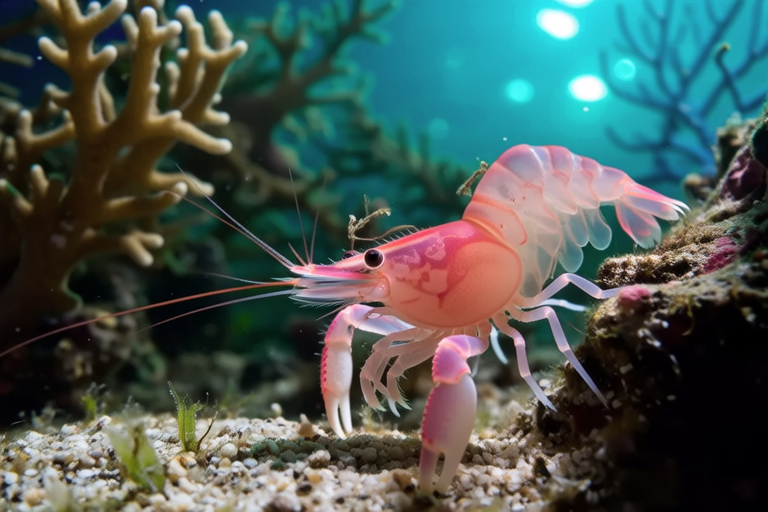
From Ocean to Tank: How to Make Coral Shrimp Feel Right at Home
Coral shrimp, with their vibrant colors and intricate patterns, are a true spectacle in any aquarium. Their translucent bodies, adorned with speckles of red, blue, or yellow, make them a standout addition to any marine or reef tank. However, these beautiful creatures come with specific care requirements that must be met to ensure their health and longevity. This guide will walk you through setting up the perfect habitat for your coral shrimp, ensuring they thrive in your tank.
The Unique Beauty and Care Requirements of Coral Shrimp
Coral shrimp, also known as peppermint shrimp, are not only visually stunning but also play a crucial role in maintaining the health of your reef tank. They are natural algae eaters, helping to control nuisance algae growth. Their care, however, requires attention to detail, particularly in terms of water quality and tank setup. These shrimp are sensitive to changes in their environment and can be easily stressed by poor water conditions or aggressive tank mates. Understanding their unique needs is the first step in providing them with a comfortable home.
Ideal Tank Setup
Creating an ideal tank setup for coral shrimp involves more than just adding water and decorations. The tank should mimic their natural ocean environment as closely as possible. A minimum tank size of 20 gallons is recommended to provide ample space for the shrimp to explore and establish territories. Larger tanks are even better, especially if you plan to add other species.
Substrate choice is also important. Coral shrimp prefer a sandy substrate that allows them to burrow and hide when they feel threatened. Live rock and various hiding spots such as caves and crevices should be provided to give them security. These elements also serve as homes for beneficial bacteria, which are essential for maintaining a healthy nitrogen cycle.
Water Parameters
Maintaining optimal water parameters is crucial for the health of coral shrimp. The temperature should be kept between 72°F and 80°F (22°C to 27°C). Slight fluctuations are acceptable, but dramatic changes can cause stress. pH levels should range from 8.0 to 8.4, reflecting the alkaline nature of most marine environments. Regular testing and adjustments are necessary to maintain these levels.
Ammonia and nitrite levels should always read zero, while nitrate levels should be kept below 20 ppm. High levels of nitrates can lead to stress and disease in shrimp. A robust filtration system is essential to keep the water clean and free of harmful substances. Protein skimmers are highly recommended for removing dissolved organic compounds and maintaining pristine water quality.
Filtration Systems
A good filtration system is vital for coral shrimp. It should effectively remove waste products, excess nutrients, and harmful chemicals. Canister filters and hang-on-back filters are popular choices due to their ability to handle large volumes of water efficiently. Additionally, a refugium can be added to the setup to enhance water quality further. Refugiums provide additional surface area for beneficial bacteria and allow for the cultivation of macroalgae, which can help control nutrient levels.
Suitable Tank Mates
Selecting appropriate tank mates is essential to ensuring a peaceful environment for coral shrimp. They should be housed with peaceful fish and invertebrates that won’t see them as prey or competitors for food. Good companions include other shrimp species, such as cleaner shrimp or bumblebee shrimp, as well as small, non-aggressive fish like clownfish, gobies, and dartfish. Avoid larger predatory species or those known to be territorial, as they may harass or eat the shrimp.
Feeding Guidelines
Understanding the natural diet of coral shrimp is key to providing them with proper nutrition. In the wild, they feed primarily on detritus, uneaten food particles, and microorganisms. In the aquarium, they will scavenge for similar items, but supplemental feeding is often necessary to ensure they receive adequate nutrients.
Commercial foods designed for saltwater invertebrates can be used to supplement their diet. These foods typically contain a balanced mix of proteins, vitamins, and minerals. Feeding should be done sparingly, as overfeeding can lead to poor water quality. A small amount of food once or twice a week is usually sufficient. Additionally, live or frozen foods like brine shrimp or mysis shrimp can be offered occasionally for variety.
Acclimatizing New Shrimp
Introducing new shrimp to your tank requires careful acclimation to avoid shocking them with sudden changes in water parameters. Begin by floating the shrimp’s bag in the tank for 15-20 minutes to equalize temperatures. Then, slowly add small amounts of tank water to the bag every few minutes until it contains mostly tank water. Finally, release the shrimp gently into the tank. This process helps minimize stress and increases the likelihood of successful integration into the tank environment.
Regular Monitoring and Maintenance
For the long-term health and happiness of your coral shrimp, regular monitoring and maintenance are essential. Water parameters should be checked weekly, and any necessary adjustments made promptly. Cleaning the tank, including siphoning the substrate and wiping down the glass, should be performed monthly to prevent the buildup of harmful substances. Regularly inspect the shrimp for signs of illness or distress, such as lethargy, discoloration, or unusual behavior. Early detection and intervention can prevent minor issues from becoming serious problems.
In conclusion, providing a comfortable and thriving home for coral shrimp requires attention to detail and commitment. By understanding their unique needs and following these guidelines, you can ensure that your coral shrimp will bring joy and color to your tank for years to come. Remember, a healthy and happy shrimp is a beautiful shrimp!