
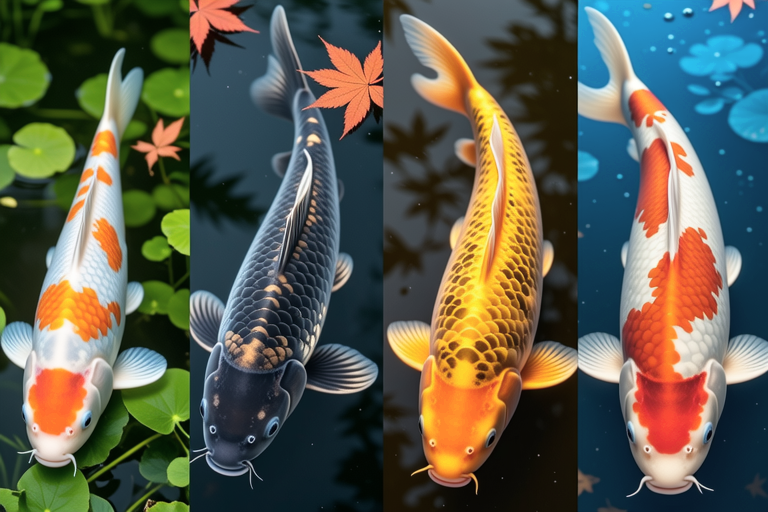
From Hatchling to Heavens: The Journey of a Koi Through Seasons
The life of a koi is a harmonious dance with the changing seasons, each bringing its unique challenges and opportunities. From the delicate hatchling emerging in spring to the majestic adult navigating the harshness of winter, koi fish undergo a remarkable transformation that reflects the cyclical nature of life itself. This article explores the lifecycle of a koi, highlighting the seasonal changes that shape its growth, health, and behavior. We will also provide养护tips for each season to ensure optimal koi care.
Spring: A Time of Awakening and Breeding
As winter fades into spring, the world around us begins to awaken, and so do our koi. The water temperature starts to rise, signaling the beginning of a new cycle. For the koi, this is a time of awakening and breeding. The once-dormant fish become more active, swimming around their pond with renewed vigor. They begin to feed more frequently, and their appetite increases as they prepare for the upcoming breeding season.
The breeding process is a fascinating spectacle. Male koi, often distinguished by their more vibrant colors, become increasingly energetic, chasing after females. This behavior is not only a display of strength but also a way to encourage the females to release their eggs. As the males nudge and chase the females, the females eventually release their eggs into the water. These eggs, small and gelatinous, float near the surface, where they await fertilization by the male koi’s sperm.
During this period, it is crucial to maintain clean and oxygen-rich water to support the breeding process. Regularly check the pH levels and ensure the water temperature remains stable. Feeding the koi with high-protein foods like brine shrimp or specialized breeding pellets can help stimulate their reproductive instincts. Additionally, providing plenty of aquatic plants and hiding spots for the eggs can enhance the chances of successful breeding.
Summer: Growth and Vigor
Summer is a time of growth and vigor for koi. As the temperatures continue to rise, the koi’s metabolism speeds up, allowing them to consume more food and grow rapidly. Their scales shimmer in the sunlight, reflecting the vibrant hues of their surroundings. The pond becomes a bustling ecosystem, teeming with life. Koi swim gracefully, their movements fluid and elegant, as they explore every corner of their habitat.
During this period, koi require a balanced diet rich in protein, vitamins, and minerals to support their rapid growth. High-quality koi food, formulated specifically for their nutritional needs, should be fed several times a day. It is essential to monitor the feeding frequency and adjust it according to the water temperature and the koi’s activity level. Overfeeding can lead to poor water quality and health issues, while underfeeding may hinder their growth.
Water quality management is critical during summer. As the temperature rises, the oxygen levels in the water decrease, making it harder for the koi to breathe. Installing a proper filtration system and aerating the pond can help maintain adequate oxygen levels. Regular water testing and partial water changes are necessary to keep the water clean and free from harmful toxins. Adding beneficial bacteria to the pond can also aid in breaking down waste and maintaining a healthy environment.
In addition to physical care, providing ample space and shade is vital for the koi’s well-being. Koi are social creatures and enjoy interacting with each other. Ensuring there is enough room for them to swim freely prevents overcrowding and stress. Planting aquatic plants and incorporating floating islands can create shaded areas, offering respite from the intense summer sun.
Fall: Preparing for Winter
As autumn approaches, the days grow shorter, and the temperatures start to drop. The koi sense the impending winter and begin preparing for the colder months ahead. Their metabolism slows down, and their appetite decreases. They become less active, spending more time resting at the bottom of the pond. This period of reduced activity allows them to conserve energy and prepare for the dormant phase.
To assist the koi in this transition, it is essential to gradually reduce the amount of food they receive. Switching to a low-protein, wheat-based diet can help prevent overfeeding and promote healthy digestion. Feeding should be discontinued entirely when the water temperature drops below 50°F (10°C). This ensures that any undigested food does not decompose in the cold water, which could lead to poor water quality and health issues.
Water quality maintenance remains crucial during fall. As the leaves fall into the pond, it is important to remove them promptly to prevent organic matter from decomposing and polluting the water. Installing a skimmer or leaf net can make this task easier. Additionally, adding a dechlorinator to the water can help neutralize any harmful chemicals that may have accumulated over the summer.
Preparing the pond for winter involves several steps. First, ensure that the pond has a proper depth to allow the koi to find a suitable spot for hibernation. If the pond is shallow, consider adding a deeper area or a pond heater to maintain a stable water temperature. Secondly, inspect and repair any leaks or cracks in the pond liner to prevent water loss during the winter months. Finally, install a pond thermometer to monitor the water temperature and ensure that it remains within the safe range for the koi.
Winter: Dormancy and Hibernation
Winter brings a period of dormancy for the koi. As the temperatures plummet, the koi enter a state of hibernation, slowing down their metabolism and reducing their activity to a minimum. They retreat to the deepest parts of the pond, where the water remains relatively warmer and oxygen levels are sufficient. During this time, the koi’s bodies become sluggish, and they rely on stored fat reserves for energy.
Maintaining a stable water temperature is crucial during winter to prevent the koi from becoming stressed. If the pond freezes over completely, installing a pond heater or deicer can help keep a hole open for gas exchange. This allows oxygen to enter the water and carbon dioxide to escape, ensuring the koi have access to fresh air. Additionally, ensuring the pond has enough oxygen can be achieved by using an aerator or a bubbler.
While the koi are dormant, it is still important to monitor their health. Regularly checking the water quality and ensuring it remains within the appropriate parameters can help prevent any potential issues. Avoid disturbing the koi during this period, as sudden changes or stress can disrupt their hibernation and negatively impact their health.
Year-Round Care: Ensuring Optimal Health
Caring for koi throughout the year requires attention to detail and a commitment to maintaining a healthy pond environment. Each season presents its own set of challenges, and addressing these challenges proactively can ensure the koi thrive. By following the养护tips outlined above, you can provide your koi with the best possible care, allowing them to flourish and reach their full potential.
Remember, the bond between you and your koi is a special one. Watching them grow and adapt to the changing seasons is a rewarding experience. With proper care and attention, your koi will lead a long and healthy life, bringing joy and beauty to your pond for years to come.