
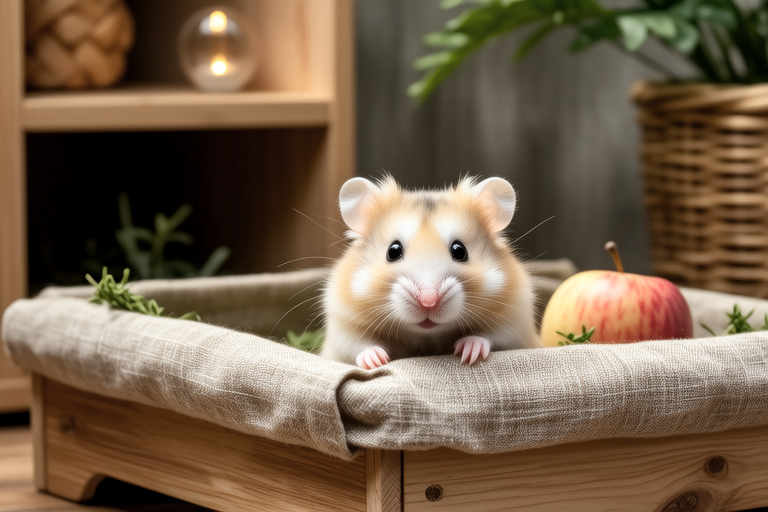
From Cage to Comfort: Transforming Your Home for a Happy Hamster
Welcome to the wonderful world of hamster ownership! These small, fluffy creatures are popular pets due to their cute appearance and relatively low maintenance requirements. However, to ensure your hamster lives a long, happy life, it’s crucial to provide them with the right environment, diet, and care. This guide will walk you through transforming your home into a hamster haven, from choosing the perfect cage to addressing common behavioral issues.
Selecting the Right Cage Size and Type
The first step in creating a comfortable home for your hamster is selecting the right cage. The cage serves as both a living space and a playground, so it’s important to choose one that meets all of your hamster’s needs. Ideally, the cage should be large enough to allow your hamster to run around and explore. A minimum size of 36 inches long by 18 inches wide by 18 inches high is recommended for Syrian hamsters, while smaller cages can suffice for dwarf hamsters.
When it comes to cage types, wire cages offer excellent ventilation but may not be ideal if your hamster tends to chew on wires. Glass or plastic aquariums can provide a secure environment but require careful attention to ventilation. Many owners opt for multi-level cages that offer more space and opportunities for climbing and exploration. Whichever type you choose, make sure it has a secure lid to prevent escapes and is placed in a quiet area away from direct sunlight and drafts.
Essential Bedding Options for Hamsters’ Health
Choosing the right bedding is crucial for your hamster’s health and comfort. The bedding should be absorbent, dust-free, and free from harmful chemicals. Popular choices include paper-based bedding, which is soft, absorbent, and easy to clean, and wood shavings made from non-aromatic woods like aspen. Avoid cedar and pine shavings, as they can cause respiratory problems and skin irritation.
Hamsters also enjoy digging and burrowing, so providing a layer of bedding at least two to three inches deep will encourage natural behaviors. Additionally, consider adding a small hideaway or nest box filled with soft materials like shredded paper or cotton to give your hamster a cozy place to sleep. Regularly cleaning and changing the bedding is essential to maintaining good hygiene and preventing odors.
Enriching the Environment with Safe Toys and Tunnels
To keep your hamster mentally stimulated and physically active, it’s important to provide a variety of toys and accessories. Hamsters are curious and love to explore, so tunnels, bridges, and platforms can provide hours of entertainment. Make sure any toys you introduce are safe and free from small parts that could be swallowed. Chew toys, such as untreated wooden blocks or cardboard tubes, help satisfy your hamster’s natural chewing instincts and promote dental health.
Rotating toys every few weeks can help keep your hamster interested and engaged. Additionally, consider adding a wheel for exercise. Ensure the wheel is the appropriate size for your hamster’s species and has a solid surface to prevent injuries. Providing these enrichments not only keeps your hamster entertained but also helps prevent boredom-related behaviors such as excessive gnawing or digging.
Creating a Balanced Diet Plan
A balanced diet is key to keeping your hamster healthy and energetic. Hamsters are omnivores, meaning they eat both plant and animal matter. A basic diet should consist of a good quality commercial hamster mix, which includes seeds, grains, and pellets. Supplement this with fresh vegetables and fruits, such as carrots, broccoli, and apples, in moderation. Avoid feeding foods that are high in sugar or fat, as these can lead to obesity and other health issues.
In addition to their regular diet, hamsters need a constant supply of water. Provide a water bottle with a sipper tube attached to the side of the cage. Check the water level daily and clean the bottle regularly to prevent bacterial growth. Offering treats such as mealworms or sunflower seeds can be a fun way to bond with your hamster, but remember to limit these to occasional rewards.
Maintaining Hygiene in Their Living Space
Keeping your hamster’s living space clean is essential for their health and well-being. Clean the cage at least once a week, removing all soiled bedding and replacing it with fresh material. Wipe down the cage walls and accessories with a mild disinfectant solution, making sure to rinse thoroughly before returning the hamster to its home. Pay special attention to areas where waste accumulates, such as corners or under food dishes.
Regular grooming is also important. While hamsters are generally good at keeping themselves clean, occasional brushing can help remove loose fur and prevent matting. Use a soft-bristled brush designed for small animals. Be gentle and allow your hamster to become accustomed to the process over time. Maintaining good hygiene not only keeps your hamster healthy but also helps control odors and prevents the spread of diseases.
Addressing Common Behavioral Issues
Like any pet, hamsters can exhibit behavioral issues if their needs are not met. One common issue is excessive chewing or digging, which can indicate boredom or stress. Providing plenty of toys and activities can help redirect these behaviors. Another common problem is territorial aggression, especially in Syrian hamsters, which are solitary animals. It’s important to provide each hamster with its own cage and not attempt to house multiple hamsters together.
If your hamster becomes overly aggressive or exhibits signs of distress, such as hiding constantly or refusing to eat, it may be experiencing stress or illness. In these cases, consult a veterinarian to rule out underlying health issues. Understanding your hamster’s behavior and addressing any concerns promptly can help ensure a happy and healthy pet.
In conclusion, transforming your home into a hamster haven requires careful consideration of their physical and emotional needs. By selecting the right cage, providing suitable bedding and enrichments, offering a balanced diet, maintaining hygiene, and addressing behavioral issues, you can create a comfortable and stimulating environment for your furry friend. With patience and dedication, you’ll be rewarded with a joyful and loving companion who brings endless delight to your home.