
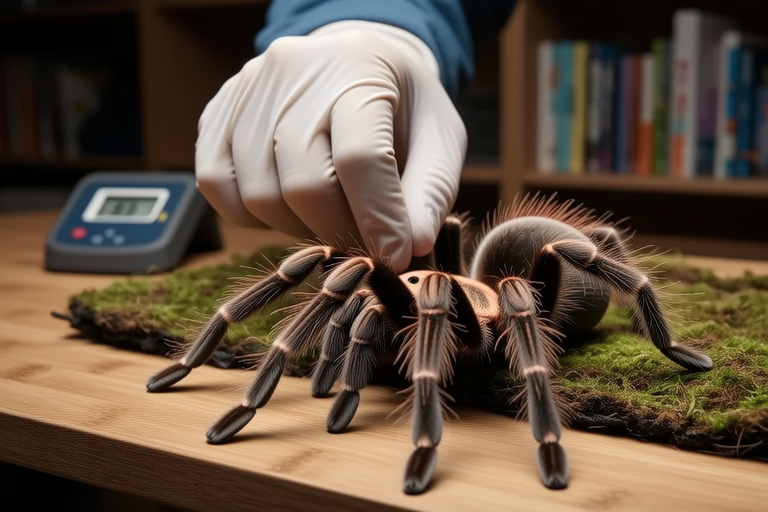
How to Handle Your Chilean Rose Tarantula Safely: Tips from an Expert
Chilean rose tarantulas (Grammostola rosea) are one of the most popular tarantulas among hobbyists due to their docile nature and striking appearance. Handling these arachnids can be a rewarding experience, but it requires careful preparation and understanding of their behavior. This article provides expert advice on how to handle your Chilean rose tarantula safely, covering proper handling techniques, necessary equipment, safety precautions, and tips for acclimatizing both the handler and the tarantula to regular interaction.
Understanding Chilean Rose Tarantula Behavior
Before you begin handling your Chilean rose tarantula, it’s essential to understand its natural behavior. These tarantulas are generally calm and docile, but they can become stressed if handled improperly. Understanding their behavior will help you minimize stress and ensure a positive interaction.
Chilean rose tarantulas are primarily nocturnal, meaning they are most active at night. During the day, they prefer to stay in their burrows, where they feel safe and secure. When handling your tarantula, try to mimic its natural environment as much as possible. Keep the lighting dim and avoid sudden movements that might startle your pet.
It’s important to note that while Chilean rose tarantulas are generally docile, they are capable of biting if they feel threatened. A bite from a Chilean rose tarantula is not typically dangerous to humans, but it can cause discomfort and localized swelling. To prevent bites, always handle your tarantula with care and respect its space.
Necessary Equipment for Safe Handling
Proper equipment is essential for safely handling your Chilean rose tarantula. The following items will help you create a safe and comfortable environment for both you and your tarantula:
- Gloves: While gloves are not always necessary, they can provide an extra layer of protection, especially if you’re new to handling tarantulas. Choose gloves made from soft, breathable material that won’t irritate your tarantula.
- Handling Tank: A handling tank or terrarium allows you to safely interact with your tarantula outside of its enclosure. Make sure the tank is escape-proof and provides enough space for your tarantula to move around comfortably.
- Tongs: If you’re unsure about handling your tarantula directly, you can use tongs to gently guide it into the handling tank. Be gentle when using tongs, as rough handling can stress your tarantula.
- Humidity Gauge: Maintaining the correct humidity level is crucial for your tarantula’s health. Use a humidity gauge to monitor the conditions in both your tarantula’s enclosure and the handling tank.
Proper Handling Techniques
When handling your Chilean rose tarantula, follow these steps to ensure a safe and enjoyable experience:
- Wash Your Hands: Before handling your tarantula, wash your hands thoroughly to remove any oils or residues that could harm your pet. Avoid using lotions or perfumes before handling.
- Prepare the Handling Tank: Set up the handling tank with appropriate substrate and hiding spots. Make sure the tank is escape-proof and has adequate ventilation.
- Use Tongs (Optional): If you’re new to handling tarantulas, use tongs to gently guide your tarantula into the handling tank. Be gentle and patient, giving your tarantula time to adjust.
- Support the Tarantula: When handling your tarantula directly, support its body by gently cupping it with both hands. Avoid pinching or squeezing your tarantula, as this can cause stress and injury.
- Avoid Disturbances: Once your tarantula is in the handling tank, avoid making loud noises or sudden movements. Give your tarantula time to explore its new environment at its own pace.
- Handle with Care: Remember that tarantulas are delicate creatures. Always handle them with care and respect their boundaries. If your tarantula tries to retreat into its hide, give it some space and allow it to settle.
Safety Precautions to Avoid Bites or Stress
To avoid bites or stress to your Chilean rose tarantula, follow these safety precautions:
- Respect Your Tarantula’s Space: Tarantulas are territorial animals, and invading their personal space can cause stress. Always approach your tarantula slowly and give it time to adjust to your presence.
- Avoid Handling After Molting: Tarantulas are vulnerable after molting, as their exoskeleton is soft and fragile. Avoid handling your tarantula for at least two weeks after molting to allow it to fully recover.
- Keep Handling Sessions Short: Tarantulas have limited energy reserves, and prolonged handling can cause stress and exhaustion. Limit handling sessions to 10-15 minutes to ensure your tarantula remains comfortable.
- Watch for Signs of Stress: Tarantulas may show signs of stress if they feel threatened or uncomfortable. Look for behaviors such as rearing, leg waving, or rapid movement. If you notice these signs, return your tarantula to its enclosure immediately.
Tips for Acclimatizing Both Handler and Tarantula to Regular Interaction
Building a relationship with your Chilean rose tarantula takes time and patience. Follow these tips to acclimatize both you and your tarantula to regular interaction:
- Start Slow: Begin with short handling sessions and gradually increase the duration as your tarantula becomes more comfortable. Patience is key; don’t rush the process.
- Use Positive Reinforcement: Reward your tarantula with treats like small insects or mealworms during handling sessions. Positive reinforcement can help build trust between you and your pet.
- Be Consistent: Establish a regular schedule for handling sessions to help your tarantula become accustomed to your presence. Consistency helps reduce stress and builds confidence.
- Learn from Mistakes: If something goes wrong during a handling session, don’t be discouraged. Learn from the experience and make adjustments to improve future interactions.
Conclusion
Handling your Chilean rose tarantula safely requires knowledge, patience, and respect for your pet’s needs. By understanding its behavior, using proper equipment, and following safe handling techniques, you can enjoy a rewarding and stress-free interaction with your tarantula. Remember that every tarantula is unique, so take the time to learn what works best for your individual pet. With practice and care, you’ll develop a strong bond with your Chilean rose tarantula, creating a positive and enriching experience for both you and your pet.