
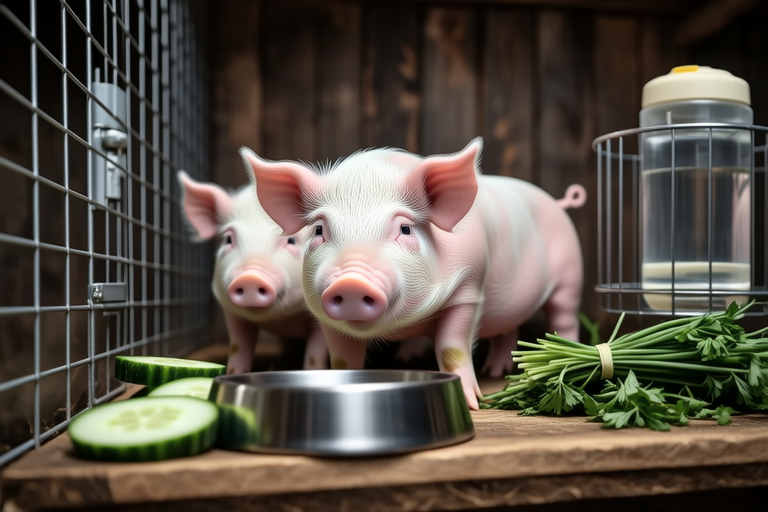
How to Create the Ultimate Habitat for Happy Guinea Pigs
Guinea pigs, or cavies, are delightful pets known for their friendly nature and amusing antics. Creating an ideal living environment is crucial for ensuring their health, happiness, and longevity. This comprehensive guide will walk you through the essential elements required to build the ultimate habitat for your guinea pigs.
Appropriate Cage Size
The first and most important aspect of creating a perfect habitat for guinea pigs is providing them with adequate space. A spacious cage allows these social creatures to move around freely, exercise, and interact with their surroundings. As a general rule, the minimum recommended cage size for one guinea pig is 7.5 square feet (approximately 48 inches by 36 inches). However, if you have multiple guinea pigs, it’s advisable to provide even more space, ideally 10.5 square feet per pair. Larger cages also reduce stress levels and prevent behavioral issues that may arise from overcrowding.
Bedding Material
Selecting the right bedding material is vital for your guinea pig’s comfort and hygiene. The best bedding options are those that are absorbent, dust-free, and free of harmful chemicals. Popular choices include:
- Paper-based bedding: Absorbent and easy to clean, paper-based bedding is gentle on guinea pigs’ delicate skin.
- Cedar and pine shavings: While these are popular choices, they should be avoided as they can release aromatic oils that may irritate your guinea pig’s respiratory system.
- Fresh hay: Not only does hay serve as bedding, but it also provides essential fiber for your guinea pig’s diet.
Regardless of the bedding material you choose, ensure it is changed regularly to maintain cleanliness and prevent odors and bacterial growth.
Hiding Spots
Guinea pigs are naturally prey animals, which means they need safe spaces where they can retreat and feel secure. Providing hiding spots within the cage helps reduce anxiety and promotes a sense of security. You can create hiding spots using:
- Commercially available hide boxes
- Cardboard boxes with entry holes cut into them
- Inverted plastic storage containers with entry holes
These hideouts should be placed in different areas of the cage to allow your guinea pigs to explore and establish their own territories.
Toys and Enrichment
To keep your guinea pigs mentally stimulated and physically active, it’s essential to provide them with various toys and enrichment items. Suitable toys include:
- Chew toys made from untreated wood or cardboard
- Rollable balls
- Tunnels and bridges
- Plastic food puzzles
Rotating toys every few days keeps things interesting for your guinea pigs and prevents boredom. Additionally, consider providing tunnels or bridges for them to explore, as this encourages physical activity and mental stimulation.
Proper Ventilation
Adequate ventilation is crucial for maintaining good air quality within the cage. Proper airflow helps prevent the buildup of ammonia from urine, which can lead to respiratory problems in guinea pigs. Ensure that your cage has sufficient ventilation by:
- Choosing wire cages with mesh flooring, which allows air to circulate freely
- Avoiding solid-bottom cages that trap odors and moisture
- Positioning the cage away from direct drafts but in a well-ventilated area
Regular cleaning and bedding changes also contribute to maintaining fresh air within the habitat.
Temperature Control
Guinea pigs are sensitive to extreme temperatures, so it’s important to maintain a comfortable temperature range within their habitat. The ideal temperature for guinea pigs is between 65°F and 75°F (18°C to 24°C). Avoid placing their cage near windows, radiators, or air conditioning units, as these can cause temperature fluctuations. If necessary, use heating pads or cooling mats to regulate the temperature, especially during colder or warmer months.
Feeding Areas
Designating specific areas for feeding ensures that your guinea pigs have access to fresh, nutritious food at all times. Use heavy-duty ceramic bowls to prevent tipping and ensure easy access for your pets. Place the bowl in a quiet corner of the cage to minimize disturbances while they eat. Additionally, provide separate areas for hay and water, as these are essential components of a balanced diet.
Maintaining Hygiene and Safety
Keeping your guinea pig’s habitat clean and safe is paramount for their overall health. Regular cleaning helps prevent the buildup of bacteria, mold, and parasites that can cause illness. Here are some tips for maintaining hygiene and safety:
- Change the bedding weekly or more frequently if necessary.
- Disinfect the cage and accessories once a month using pet-safe disinfectants.
- Inspect the cage regularly for any signs of wear and tear, and replace damaged parts promptly.
- Provide soft, non-slip surfaces to prevent injuries from slipping or falling.
By following these guidelines, you can ensure that your guinea pigs live in a clean, safe, and stimulating environment.
Conclusion
Creating the ultimate habitat for happy guinea pigs involves careful consideration of several key factors, including appropriate cage size, bedding material, hiding spots, toys, proper ventilation, temperature control, and feeding areas. By addressing each of these elements, you can provide your guinea pigs with a comfortable, stimulating, and healthy living environment. Remember that regular maintenance and attention to detail are essential for keeping your pets happy and thriving. With the right setup, your guinea pigs will enjoy a long, joyful life filled with adventure and companionship.