
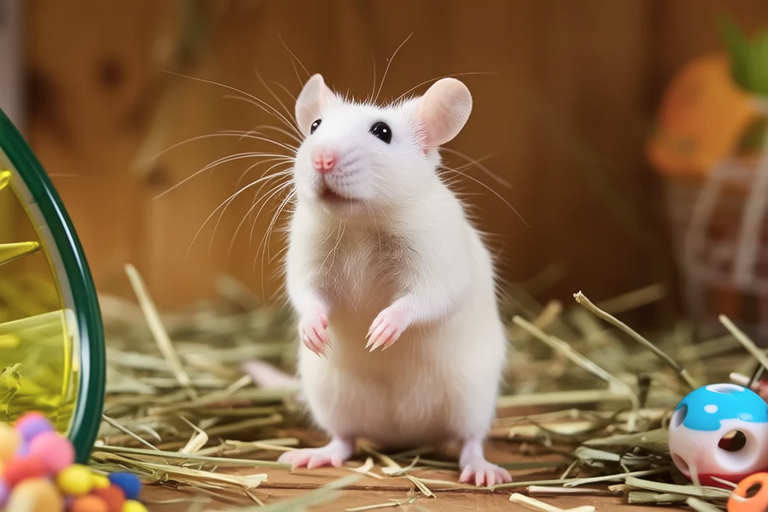
Top Secrets for Keeping Your Fancy Rat Happily Active and Healthy
Welcome to the wonderful world of fancy rats! These charming, intelligent creatures can make delightful companions with the right care. In this guide, we’ll explore how to ensure your rat remains active, healthy, and happy. From diet tips to exercise needs, we’ll cover everything you need to know.
Essential Diet Tips
Fancy rats have specific dietary requirements that must be met to maintain optimal health. A balanced diet includes fresh fruits and vegetables, commercial rodent pellets, and occasional treats like nuts or seeds. Ensure a steady supply of clean water, and avoid feeding them chocolate, caffeine, or alcohol, as these can be toxic.
Citrus fruits and sugary treats should also be limited due to their high sugar content. Instead, opt for leafy greens like spinach or kale. Always introduce new foods gradually to monitor for any adverse reactions.
Exercise Needs
Rats are naturally curious and energetic, requiring regular exercise to stay fit. Provide toys that encourage climbing, digging, and exploring. Exercise wheels are excellent for physical activity but ensure they’re safe and appropriate for your rat’s size.
Rotate toys every few days to keep things interesting and stimulate mental engagement. This prevents boredom, which can lead to stress and behavioral issues. Consider supervised playtime outside the cage in a rat-proofed area for additional stimulation.
Enrichment Activities
Mental stimulation is just as important as physical exercise. Enrichment activities such as puzzle feeders, tunnels, and hideouts promote cognitive development. Hide treats within these structures to encourage problem-solving skills. Rotate these items regularly to maintain novelty.
Interactive play sessions with gentle handling can also strengthen the bond between you and your rat. Remember, rats are social animals; consider adopting a second rat for company if possible.
Suitable Housing
Adequate space is crucial for your rat’s well-being. Provide a spacious cage with multiple levels, ramps, and platforms for climbing. Ensure the enclosure has proper ventilation and is easy to clean. The cage should be large enough for your rat to stretch out fully and move around comfortably.
Line the bottom of the cage with bedding material that is soft, absorbent, and free from harmful chemicals. Avoid cedar or pine shavings, as they can irritate respiratory systems. Opt for alternatives like paper-based bedding or recycled newspaper products.
Grooming Routines
Grooming plays a significant role in maintaining your rat’s hygiene and overall health. Regular brushing helps remove loose fur and debris, preventing matting and hairballs. Use a soft-bristled brush designed for small animals.
Trimming nails can prevent overgrowth and potential injury. Consult a veterinarian for proper technique. Bathing should be minimal, as it can strip natural oils from their skin. Instead, spot-clean soiled areas using a damp cloth.
Common Health Issues Prevention
Vaccinations are not typically required for pet rats, but regular check-ups with a veterinarian are recommended. Maintain good hygiene practices to reduce the risk of infections. Clean the cage thoroughly and frequently, disposing of old bedding and replacing it with fresh materials.
Monitor your rat’s weight and appetite closely. Sudden changes could indicate underlying health issues. Early detection and treatment are key to managing many conditions effectively.
Signs of a Healthy Rat
A healthy rat exhibits certain characteristics. They are alert, active, and responsive to stimuli. Their coat should be shiny and smooth without noticeable bald patches or excessive dandruff. Ears should be clean and free from discharge, and eyes clear and bright.
Healthy rats maintain a consistent body weight and have no difficulty breathing. If you notice any unusual symptoms, consult a veterinarian promptly. Early intervention can significantly improve outcomes.
Conclusion
Maintaining your fancy rat’s health requires attention to detail and dedication. By following the guidelines outlined here, you can provide a nurturing environment that supports both physical and mental well-being. Remember, a happy rat is an active rat!