
Red-Eared Slider Care Sheet
Introduction to Red-Eared Sliders
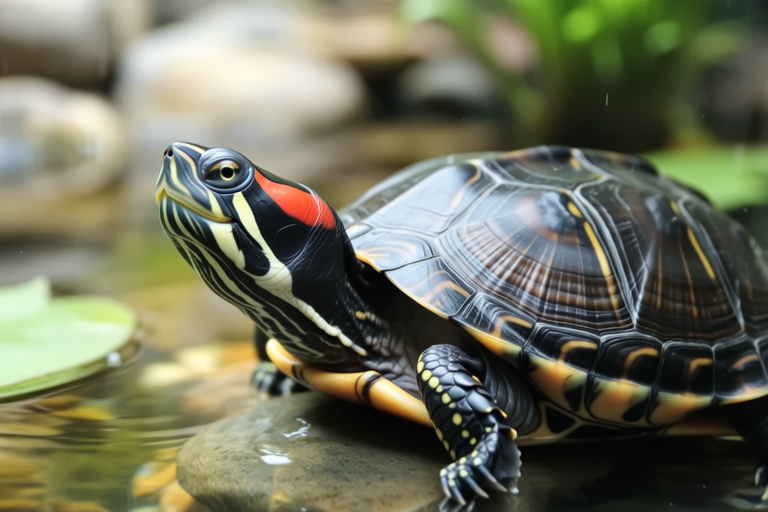
Red-eared sliders (Trachemys scripta elegans) are one of the most popular turtle species kept as pets. Originating from the southern United States and northern Mexico, these semi-aquatic turtles have adapted to thrive in both aquatic and terrestrial environments. Their name comes from the distinctive red stripe behind each eye and their habit of sliding off rocks or logs into the water. Despite their popularity, there are several common misconceptions about keeping red-eared sliders as pets. One misconception is that they require minimal care due to their hardy nature. Another is that they grow quickly and can be released into the wild once they outgrow their tanks. In reality, red-eared sliders need a well-maintained habitat, appropriate diet, and regular health checks to ensure a long and healthy life.
Natural Habitat
In the wild, red-eared sliders inhabit slow-moving rivers, ponds, and lakes with soft-bottomed substrates. They prefer areas with abundant vegetation and basking spots such as logs or rocks. These turtles are omnivorous, consuming a variety of plants, insects, and small fish. The water in their natural habitats ranges from shallow to deep, allowing them to swim freely while also providing easy access to land for basking and nesting.
Housing Requirements
Proper housing is essential for the health and well-being of your red-eared slider. A spacious aquarium or turtle pond is necessary to accommodate their swimming and basking needs. For a single adult slider, a minimum of 40 gallons (151 liters) of water is recommended. Each additional turtle requires an extra 10 gallons (38 liters). The enclosure should have both aquatic and dry areas, as red-eared sliders spend significant time in both environments.
Tank Setup
The tank should include a filtration system to maintain water cleanliness, a basking area with UVB lighting, and hiding spots. A submersible pump with adjustable flow rates ensures adequate water circulation and oxygenation. Use smooth gravel or sand as substrate, avoiding sharp-edged materials that could injure your turtle. Decorative items like driftwood, rocks, and aquatic plants provide enrichment and mimic their natural environment.
Water Quality Maintenance
Regular water changes are crucial for maintaining optimal water quality. Perform partial water changes weekly, replacing approximately 25% of the total volume. Utilize a water testing kit to monitor pH levels, ammonia, nitrite, and nitrate concentrations. Maintain a pH between 6.5 and 8.0 and keep ammonia and nitrite at zero, while nitrate levels should be below 20 ppm. Employ a dechlorinator when adding tap water to neutralize harmful chemicals.
Temperature Control
Maintaining the correct temperature gradient within the tank is vital for your turtle’s metabolism and overall health. Water temperatures should range between 75°F and 80°F (24°C to 27°C), while basking areas should reach 90°F to 95°F (32°C to 35°C). Submersible heaters and basking lamps equipped with thermostats help achieve and regulate these temperatures. Place thermometers in both the water and basking areas to monitor conditions accurately.
Lighting Needs
UVB lighting is essential for calcium absorption and shell development. Install full-spectrum fluorescent bulbs specifically designed for reptiles, ensuring they emit UVB radiation. Position the light so it covers the entire basking area, and replace bulbs every six months to ensure effectiveness. Additionally, provide 10-12 hours of light per day to simulate natural daylight cycles.
Diet Recommendations
A balanced diet is key to your red-eared slider’s health. Offer a combination of commercial turtle pellets, fresh vegetables, fruits, and occasional protein sources like earthworms or feeder fish. Leafy greens such as romaine lettuce, kale, and dandelion greens should make up about 50% of their diet. Protein-rich foods should account for no more than 10-15%, while fruits can be given sparingly as treats.
Feeding Schedules
Feed juveniles daily, reducing frequency to every other day as they mature. Offer food only for 10-15 minutes, removing any uneaten portions to prevent contamination. Overfeeding can lead to obesity and health issues, so monitor portion sizes carefully. Adjust feeding amounts based on your turtle’s activity level and body condition.
Health Concerns
Regular veterinary check-ups are important for early detection of potential health problems. Common issues include respiratory infections, shell rot, and metabolic bone disease. Symptoms may include lethargy, loss of appetite, swollen eyes, or abnormal shell appearance. Prompt treatment by a veterinarian specializing in reptiles can prevent complications.
Grooming Tips
Bathing your turtle in clean water helps remove algae and debris from its shell and skin. Gently brush algae with a soft toothbrush, being careful not to scratch the surface. Avoid using soap or chemicals, which can irritate sensitive tissues. Regular inspections allow you to spot signs of injury or illness early.
Social Behavior
Red-eared sliders are generally solitary animals but can coexist peacefully with others of similar size and temperament. Introducing new turtles gradually allows them to acclimate without stress. Monitor interactions closely during the initial period to ensure compatibility. Aggression or territorial disputes may arise if space is limited or resources are insufficient.
Interaction Guidelines
Handle your turtle gently and infrequently to minimize stress. Wash hands before and after handling to prevent the spread of bacteria. Avoid picking up your turtle by its tail, as this can cause injury. Instead, support its body firmly with both hands. Establish a routine for feeding and handling to create a sense of security and predictability.
Breeding Information
Red-eared sliders can breed under specific conditions. Males typically reach sexual maturity around 2-5 years old, while females take longer, usually 5-7 years. To encourage breeding, provide ample space, appropriate water depth, and suitable nesting sites. Females lay eggs in spring or summer, burying them in sandy soil. Incubation lasts approximately 60-90 days, depending on environmental factors. Hatchlings require specialized care, including smaller enclosures and more frequent feedings.
Common Mistakes to Avoid
- Overcrowding: Too many turtles in one enclosure leads to competition for resources and increased risk of disease transmission.
- Improper Feeding: Feeding inappropriate or excessive amounts of food can result in malnutrition or obesity.
- Lack of UVB Lighting: Insufficient exposure to UVB radiation impairs calcium absorption and shell growth.
- Ignoring Water Quality: Poor water quality promotes bacterial growth and increases the likelihood of infections.
- Frequent Handling: Excessive handling causes stress and may lead to behavioral changes.
Resources for Further Learning and Responsible Pet Ownership
To deepen your knowledge and ensure responsible pet ownership, consider joining local reptile clubs or online forums where enthusiasts share experiences and advice. Books authored by veterinarians or experienced herpetologists offer valuable insights into turtle care. Attend workshops or seminars hosted by animal welfare organizations focusing on ethical practices and animal rights. By staying informed and committed to best practices, you contribute positively to the well-being of your red-eared slider and promote responsible pet ownership.