
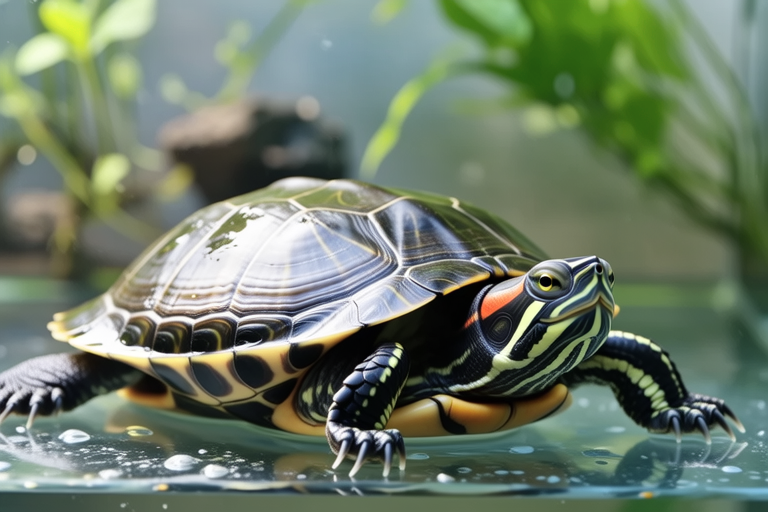
Red-Eared Slider Care Guide: Tips for Healthy and Happy Turtles
Welcome to your comprehensive guide on caring for red-eared sliders! These charismatic turtles are popular pets due to their hardiness and vibrant appearance. However, providing them with a healthy and happy life requires dedication and knowledge about their specific needs. This guide will walk you through setting up their habitat, maintaining water quality, feeding them properly, ensuring adequate lighting and heating, recognizing common health issues, and handling them safely.
Understanding Your Turtle’s Natural Environment
Before diving into the specifics of turtle care, it’s crucial to understand where red-eared sliders come from. Native to the southern United States and northern Mexico, these semi-aquatic turtles thrive in warm, slow-moving rivers, ponds, and lakes. They spend most of their time in the water but also bask frequently on land to regulate their body temperature. By mimicking this environment as closely as possible, you’ll ensure your pet turtle leads a fulfilling life.
Habitat Setup
Tank Size
The first step in creating an ideal habitat is choosing the right tank size. As red-eared sliders grow rapidly, especially during their juvenile stages, they require ample space. A general rule of thumb is that for every inch of shell length, your turtle needs at least ten gallons of water. For example, a fully grown adult might need a 75-gallon or larger tank. Keep in mind that these turtles can live over 20 years, so investing in a spacious tank upfront saves time and money later.
Water and Land Areas
Your turtle’s enclosure should have both water and land areas. The water area should be deep enough for swimming but not so deep that the turtle struggles to reach the surface. A gentle slope leading from the water to the land allows easy access between the two areas. You can use large rocks or cork bark as basking platforms, ensuring they’re stable and secure.
Substrate
Avoid using gravel or small pebbles as substrate since these can pose choking hazards if ingested. Instead, opt for large river stones or a bare bottom tank. If you prefer a more natural look, consider using sand specifically designed for reptile enclosures, though it may increase cleaning frequency.
Decorations and Plants
Incorporating decorations like driftwood, caves, and aquatic plants enhances your turtle’s environment while providing enrichment opportunities. Ensure all items are safe and non-toxic. Live plants such as java moss or anubias can improve water quality and offer hiding spots, promoting mental stimulation.
Water Quality Maintenance
Filtration
Proper filtration is essential for maintaining clean water, which directly impacts your turtle’s health. Choose a filter rated for twice the volume of your tank. Regularly clean or replace filter media to prevent harmful bacteria buildup.
Water Changes
Even with efficient filtration, regular water changes are necessary. Aim to change 20% of the water weekly and perform full water changes monthly. Always use dechlorinated water to remove harmful chemicals present in tap water.
Temperature and pH Levels
Maintaining appropriate water temperatures (around 75-80°F) and pH levels (6.5-8.0) ensures optimal conditions for your turtle. Use thermometers and pH testers to monitor these parameters regularly.
Diet Specifics
Variety of Foods
A balanced diet is key to keeping your red-eared slider healthy. Offer a mix of commercial turtle pellets, fresh vegetables (like romaine lettuce, green beans, and carrots), and occasional protein sources such as earthworms, crickets, or cooked chicken. Avoid iceberg lettuce and spinach as they lack nutritional value and can cause digestive issues.
Feeding Schedule
Feed young turtles daily, reducing to every other day as they mature. Overfeeding can lead to obesity and other health problems, so monitor portion sizes carefully. Remove uneaten food promptly to maintain water quality.
Supplements
To ensure proper calcium absorption, provide a calcium block or cuttlebone in the water. Dust vegetables with a multivitamin powder once or twice a week to supplement their diet.
Lighting and Heating Requirements
Basking Lamp
A basking lamp is vital for simulating natural sunlight and enabling proper digestion. Position it over the land area at one end of the tank, ensuring it provides a warm spot around 90-95°F. UVB light helps with vitamin D synthesis, which aids in calcium absorption.
Heating Element
In addition to the basking lamp, use an underwater heater to maintain consistent water temperatures. Place the heater near the filtration system but out of reach of the basking platform to prevent overheating.
UVB Lighting
Install a UVB light source above the basking area, replacing bulbs every six months even if they appear functional. Proper exposure to UVB light supports overall health by facilitating calcium metabolism.
Common Health Issues
Mouth Rot
Mouth rot, characterized by swelling, pus, and difficulty eating, results from poor hygiene or injury. Maintain clean water and consult a veterinarian immediately upon noticing symptoms.
Shell Rot
This fungal infection manifests as soft, discolored patches on the shell. It often stems from prolonged exposure to dirty water or rough handling. Address any signs promptly with antifungal treatments prescribed by a vet.
Respiratory Infections
Cold environments contribute to respiratory infections, causing wheezing, lethargy, and nasal discharge. Ensure adequate warmth throughout the tank and seek veterinary assistance if you suspect an infection.
Tips for Handling
Wash Your Hands
Always wash your hands before and after handling your turtle to prevent the spread of Salmonella and other bacteria.
Support Their Body
Handle your turtle gently, supporting its entire body rather than lifting by the shell or limbs. This minimizes stress and prevents injuries.
Limit Frequent Handling
While it’s tempting to interact frequently, excessive handling can cause undue stress. Limit interactions to a few minutes per session.
Conclusion
Caring for red-eared sliders involves understanding their unique needs and mimicking their natural environment as closely as possible. By following this guide, you’ll create a nurturing home that promotes longevity and well-being for your beloved pet. Remember, each turtle is different, so pay close attention to individual behaviors and preferences. With patience and commitment, you’ll enjoy many rewarding years together.