
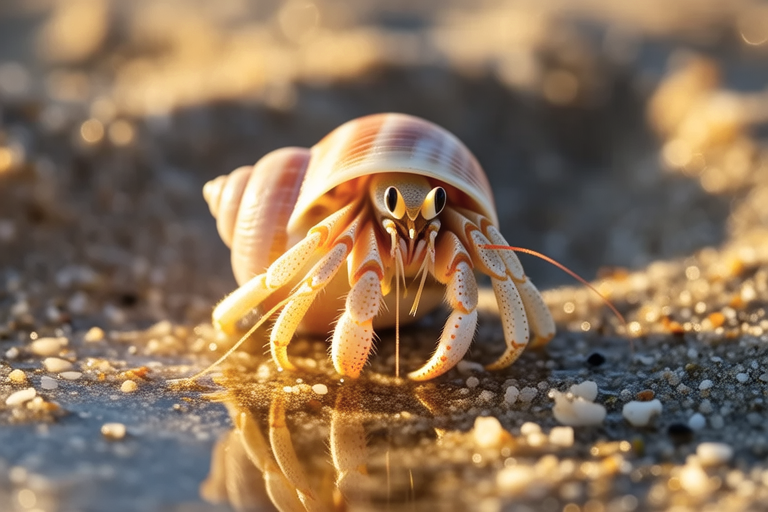
Hermit Crab Care: A Comprehensive Guide
Welcome to the fascinating world of hermit crabs! These small, intriguing creatures have captivated the hearts of many pet enthusiasts. Their unique habitats, dietary needs, and care requirements make them a rewarding pet to own. In this guide, we will explore the intricacies of hermit crab care, from setting up their environment to understanding their behavior and addressing common health issues.
The Unique Habitat of Hermit Crabs
Hermit crabs thrive in environments that mimic their natural habitats. They require specific conditions to ensure their well-being. One of the most crucial elements of their habitat is the substrate. Sandy substrates are ideal as they allow hermit crabs to burrow, which is essential for their physical and mental stimulation. The substrate should be at least three inches deep, providing ample space for the crabs to dig and explore.
Decorative shells play a significant role in the lives of hermit crabs. As they grow, they outgrow their shells and need new ones to protect their soft abdomens. Providing a variety of shells is important, as hermit crabs can become stressed if they cannot find a suitable replacement. It’s essential to offer shells of different sizes and shapes, ensuring that each crab can find one that fits perfectly.
Humidity is another critical factor in maintaining a healthy hermit crab environment. These creatures require high humidity levels to stay hydrated and maintain their exoskeletons. The ideal humidity range for hermit crabs is between 70% and 80%. To achieve this, you can mist the enclosure daily or use a humidifier. Additionally, a shallow water dish should always be available, allowing the crabs to drink and bathe.
Temperature also plays a vital role in the hermit crab’s habitat. They prefer temperatures between 75°F and 85°F (24°C and 29°C). Maintaining these temperatures ensures that the crabs remain active and comfortable. Using a heat lamp or under-tank heater can help regulate the temperature within the enclosure.
Dietary Requirements
Hermit crabs are omnivores, meaning they eat both plant-based and animal-based foods. A balanced diet is essential for their growth and overall health. Their diet should consist of a variety of fresh fruits, vegetables, and protein sources. Fruits like apples, bananas, and grapes, as well as vegetables such as carrots, peas, and spinach, provide essential vitamins and minerals. Protein sources like boiled eggs, fish, and insects can be offered occasionally to supplement their diet.
In addition to fresh foods, hermit crabs benefit from calcium supplements. Calcium is crucial for maintaining strong exoskeletons during molting. You can provide calcium by offering crushed eggshells, cuttlebone, or commercial calcium supplements. Ensure that these supplements are accessible to the crabs at all times.
It’s important to note that hermit crabs should never be fed processed human food, as it can be harmful to their digestive systems. Avoid feeding them bread, chips, or other salty snacks. Instead, opt for fresh, nutritious options that cater to their specific dietary needs.
Care Tips for Hermit Crabs
Proper care is essential for the longevity and happiness of your hermit crabs. Here are some key care tips to keep in mind:
- Regular Shell Rotations: As mentioned earlier, hermit crabs need to rotate their shells as they grow. Providing a variety of shells allows them to choose the perfect fit. Rotate the shells every few months to ensure that each crab has access to a suitable home.
- Suitable Tank Mates: While hermit crabs can coexist with certain species, it’s crucial to choose compatible tank mates. Avoid housing hermit crabs with aggressive species or those that may bully them. Compatible tank mates include other hermit crabs, dwarf shrimp, and certain types of snails.
- Molting Care: Molting is a natural process where hermit crabs shed their exoskeletons to grow. During this time, they become vulnerable and require extra care. Ensure that the humidity levels are optimal and provide a hiding spot where the crab can retreat. Do not disturb the crab during this period, as it can be stressful and potentially harmful.
- Monitoring Health: Regularly observe your hermit crabs for any signs of illness. Common health issues include missing limbs, deformed exoskeletons, and lethargy. If you notice any concerning symptoms, consult a veterinarian specializing in exotic pets for advice.
Hermit Crab Behavior
Understanding hermit crab behavior is key to providing a stimulating and enriching environment. These social creatures enjoy interacting with their surroundings and each other. They are nocturnal, meaning they are most active during the night. Providing hiding spots, tunnels, and climbing structures can help stimulate their natural behaviors.
Hermit crabs are known for their curious nature. They love to explore and investigate their environment. Offering various objects, such as driftwood, rocks, and plants, can keep them entertained and mentally stimulated. Additionally, introducing new items periodically can prevent boredom and encourage exploration.
When handling hermit crabs, it’s important to be gentle and respectful of their boundaries. Always support their body when picking them up, avoiding sudden movements that could startle them. Remember, hermit crabs are delicate creatures, and rough handling can cause injury.
Common Health Issues
Despite their hardy nature, hermit crabs can face health challenges if their environment is not properly maintained. Some common health issues include:
- Missing Limbs: This can occur due to improper handling, environmental stress, or infections. Ensuring a clean and safe habitat can help prevent limb loss. If a crab loses a limb, it may regrow it during the next molt.
- Deformed Exoskeletons: Poor nutrition or inadequate calcium intake can lead to deformities. Providing a balanced diet and calcium supplements can prevent this issue.
- Lethargy: Lethargy can be a sign of dehydration or low humidity levels. Increase the humidity in the enclosure and ensure there is a constant supply of fresh water.
If you notice any unusual behavior or physical changes in your hermit crabs, it’s essential to address the issue promptly. Consulting a veterinarian specializing in exotic pets can provide the necessary guidance and treatment.
Conclusion
Owning hermit crabs can be a delightful and rewarding experience. By understanding their unique habitat, dietary requirements, and care needs, you can create an environment that promotes their well-being and happiness. Remember to provide a sandy substrate, suitable tank mates, and a variety of shells. Maintain optimal humidity levels and monitor their health regularly. With proper care and attention, your hermit crabs will thrive and bring joy to your home.