
Arowana Owners Reveal: Secrets Behind Keeping These Exotic Fish Thriving
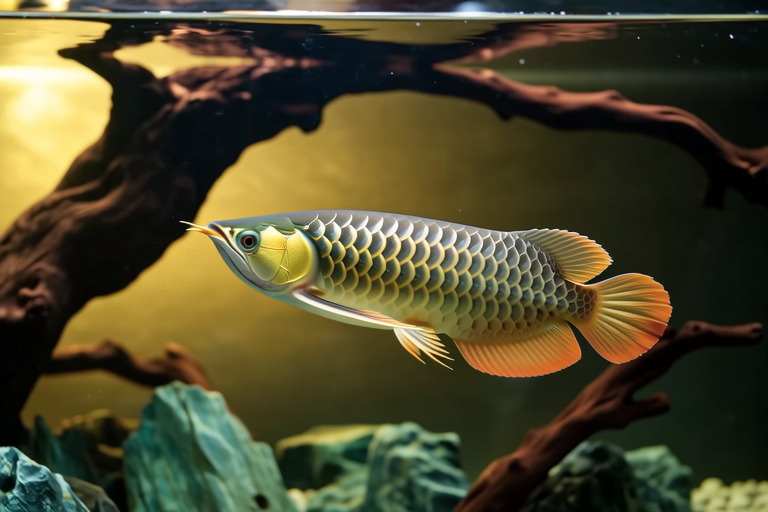
For enthusiasts of the aquatic world, there exists a species of fish that is not only a marvel of nature but also a testament to the beauty and complexity of underwater life. The Arowana, often referred to as the ‘Dragon of the Water’, is a strikingly beautiful and highly sought-after freshwater fish. Known for its majestic appearance, which includes a long, streamlined body and a mouth capable of snapping shut with incredible force, the Arowana is a true symbol of strength and elegance.
The Unique Characteristics of Arowana Fish
Arowanas are native to the rivers and swamps of Southeast Asia, South America, and Africa. They are renowned for their ability to leap out of the water to catch prey, a trait that has earned them the nickname ‘Dragonfish’. This behavior is fascinating to observe and is a testament to their adaptability and predatory prowess. Their scales are hard and iridescent, reflecting light in a way that makes them appear almost otherworldly. Each scale is embedded with a bony plate, providing them with robust protection against potential threats.
One of the most distinctive features of the Arowana is its ability to breathe air. This adaptation allows them to survive in oxygen-depleted waters, making them resilient in various environments. This unique characteristic also contributes to their longevity; some species can live for more than 30 years if properly cared for.
Setting Up an Optimal Tank Environment
Tank Size
When it comes to housing Arowanas, size matters. These fish need ample space to thrive. For a single adult Arowana, a tank of at least 300 gallons is recommended. However, for a pair or a group, a larger tank of around 500 gallons is ideal. The tank should be as long as possible, allowing the fish to swim freely without feeling cramped. The width and depth are also crucial, ensuring that the fish have enough vertical space to leap and explore.
Water Parameters
Maintaining the right water conditions is essential for the health of your Arowana. The pH level should be kept between 6.8 and 7.5, slightly acidic to neutral. The temperature should range from 78°F to 84°F (25°C to 29°C), replicating their natural habitat. Ammonia and nitrite levels should be zero, and nitrate levels should be kept as low as possible, ideally below 20 ppm. Regular testing of these parameters is necessary to ensure the water quality remains optimal.
Filtration Systems
Given the large size of the tank and the high metabolic rate of Arowanas, an efficient filtration system is a must. A combination of mechanical, biological, and chemical filtration is recommended. Mechanical filtration helps remove debris and uneaten food, while biological filtration supports beneficial bacteria that break down harmful compounds like ammonia and nitrite. Chemical filtration, through the use of activated carbon, can help eliminate dissolved organic compounds and odors.
Diet and Feeding Habits
Arowanas are carnivorous and require a balanced diet rich in proteins. Their nutritional needs can be met with a variety of foods, including pellets, frozen or live foods such as feeder fish, shrimp, and worms. It’s important to provide a diverse diet to ensure they receive all the necessary nutrients. A common practice among Arowana owners is to feed them twice daily, offering small portions to prevent overfeeding. Overfeeding can lead to health issues, including obesity and poor water quality.
Feeding Arowanas can be an interactive experience. Many owners enjoy watching their fish leap out of the water to catch food, mimicking their natural hunting behavior. This not only provides entertainment but also helps stimulate their instincts, contributing to their overall well-being.
Common Health Issues and Preventive Measures
Despite their resilience, Arowanas can be susceptible to certain health issues. One of the most common problems is fin rot, a bacterial infection that affects the fins and tail. To prevent this, it’s crucial to maintain good water quality and avoid overcrowding the tank. Regular water changes and the use of aquarium salt can also help prevent infections.
Another issue to watch out for is ich, a parasitic disease that causes white spots on the fish’s body. Early detection and treatment with appropriate medication are key to managing this condition. Quarantining new fish before introducing them to the main tank can also help prevent the spread of diseases.
To ensure the health of your Arowana, regular monitoring and prompt action when signs of illness appear are essential. Consulting with a veterinarian specializing in exotic fish can provide additional support and guidance.
Behavior and Mental Stimulation
Arowanas are intelligent and curious creatures, and they benefit greatly from mental stimulation. Providing hiding places and decorations within the tank can help create a stimulating environment. Plants, driftwood, and rocks not only add aesthetic value but also offer opportunities for exploration. It’s important to choose decorations that are safe and won’t harm the fish.
In addition to physical enrichment, interaction with their owners can be beneficial. Some Arowanas become accustomed to their caretakers and may even respond to gentle encouragement. This bond can enhance the overall satisfaction of owning these magnificent fish.
The Commitment Required for Owning Arowana
Owning an Arowana is a significant commitment. These fish require a substantial investment in terms of time, money, and resources. The initial setup of a suitable tank, along with ongoing maintenance and feeding, demands dedication. However, the rewards of successfully caring for these exotic pets are immeasurable. Watching your Arowana grow and thrive in a healthy, stimulating environment is a deeply rewarding experience.
For those willing to take on this responsibility, the joy of observing these magnificent creatures in their full splendor is truly unparalleled. With the right knowledge and care, you can ensure that your Arowana leads a long, healthy, and happy life.