
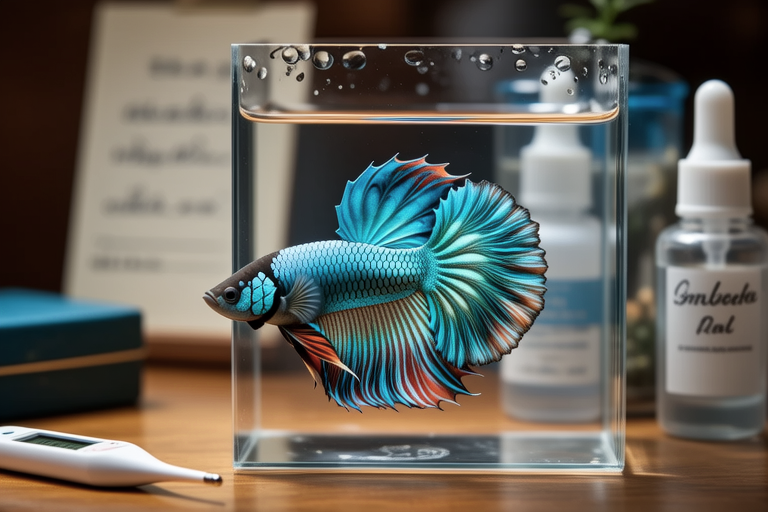
The Ultimate Betta Care Cheat Sheet: Essential Tips Every Owner Needs
Betta fish, often referred to as Siamese fighting fish, have captivated aquarium enthusiasts for decades. Their vibrant colors, flowing fins, and unique personalities make them one of the most popular choices for home aquaria. Originating from the rice paddies of Thailand, these fish are known for their aggressive behavior towards other males of their species, which is why they are often sold as solitary pets. Despite their small size, bettas require careful attention to ensure they thrive in captivity. This article serves as a comprehensive guide to betta care, providing essential tips every owner needs to keep their pet healthy and happy.
Setting Up the Perfect Tank Environment
The first step in caring for your betta is setting up the right tank environment. While bettas can live in smaller containers, a minimum of 2.5 gallons is recommended to provide ample space for swimming and reduce stress. The tank should be equipped with a filtration system to maintain water quality and prevent toxins from building up. A heater is also necessary to maintain a stable temperature between 76-82°F (24-28°C), which mimics their natural habitat. Betta fish prefer still water, so avoid overly powerful filters that create strong currents.
Substrate choice is another important consideration. Gravel or sand can be used, but avoid sharp-edged materials that might damage your betta’s delicate fins. Decorations such as caves, driftwood, and plants provide hiding spots and enhance the aesthetic appeal of the tank. However, ensure there are no small openings where the betta could become trapped.
Water Quality Maintenance
Maintaining optimal water conditions is crucial for the health of your betta. Regular water changes, typically 25-50% weekly, help remove waste products and excess nutrients that can lead to algae blooms and disease. Test kits should be used to monitor pH levels (around 6.5-7.5), ammonia, nitrite, and nitrate concentrations. High levels of ammonia and nitrite can be toxic, while elevated nitrates indicate poor water management.
Adequate oxygenation is vital since bettas rely heavily on surface breathing. Incorporate a sponge filter or air stone to increase dissolved oxygen without creating harsh currents. Additionally, frequent partial water changes will help maintain oxygen levels and overall water quality.
Suitable Tank Mates
Choosing compatible tank mates for your betta requires careful consideration. Due to their territorial nature, male bettas should not be housed with other males. Females can sometimes coexist peacefully in groups called sororities, provided there is sufficient space and hiding spots. When introducing new fish, observe closely for signs of aggression or stress.
Some peaceful community fish like guppies, mollies, and platyfish may coexist with bettas if introduced gradually and monitored carefully. Avoid fin-nippers like tiger barbs and any fish large enough to swallow the betta whole. Plants and decorations serve dual purposes by offering refuge and reducing aggression among tank inhabitants.
Diet and Feeding Guidelines
Bettas are carnivorous and require a diet rich in protein. Commercial betta pellets, freeze-dried bloodworms, and brine shrimp are excellent food sources. Feed your betta twice daily, providing only what they can consume within two minutes to prevent overfeeding. Overfeeding can lead to obesity and digestive issues, while underfeeding results in malnutrition.
Variety is key to ensuring a balanced diet. Rotate different types of food to meet nutritional requirements. Fresh vegetables like blanched spinach or peas can supplement their diet occasionally. Always store food in a cool, dry place away from direct sunlight to preserve its nutritional value.
Health Care Tips
Regular observation of your betta’s behavior and appearance helps detect potential health issues early. Signs of illness include lethargy, loss of appetite, unusual spots or lesions, rapid gill movement, and floating upside down. If you notice any of these symptoms, quarantine the affected fish immediately and consult a veterinarian specializing in exotic pets.
To promote good health, maintain pristine water conditions and provide a varied diet. Quarantine new additions to the tank before introducing them to prevent the spread of diseases. Periodic water quality checks and gentle handling during maintenance routines minimize stress.
Common Mistakes to Avoid
One common mistake is housing bettas in overcrowded tanks. Each betta requires at least 2.5 gallons of water to thrive. Another frequent error is neglecting water quality; regular testing and partial water changes are non-negotiable. Overfeeding leads to obesity and poor water quality, while underfeeding causes malnutrition.
Introducing incompatible tank mates can result in aggressive interactions or predation. Lastly, failing to acclimate new fish properly can cause undue stress. Always float new arrivals in their bag inside the tank for about 20 minutes to equalize temperatures before slowly introducing them to their new home.
Enriching the Betta’s Habitat Through Appropriate Decorations and Plants
Creating an enriched environment enhances both the physical and psychological well-being of your betta. Live or artificial plants offer hiding spots, reduce stress, and encourage natural behaviors like exploring and hunting. Java moss, Amazon swords, and Anubias are popular choices due to their hardiness and ability to withstand betta digging.
Decorations like caves, tunnels, and castles provide additional shelter and stimulate mental activity. Floating plants near the surface mimic natural habitats and facilitate breathing. Ensure all decorations are safe and free from sharp edges or chemicals harmful to aquatic life.
In conclusion, proper care involves more than just providing food and water. By understanding and addressing the specific needs of your betta, you can ensure they live long, healthy lives full of color and vitality. Remember, a well-maintained tank not only benefits your fish but also adds beauty and tranquility to your living space.