
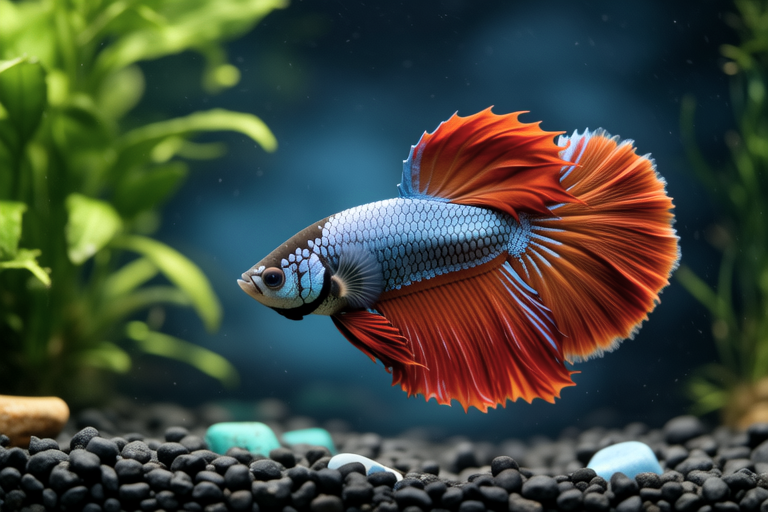
From Fin to Tail: A Beginner’s Guide to Betta Care
Welcome to the vibrant world of betta fish! These beautiful, colorful creatures are popular among aquarium enthusiasts for their striking appearance and relatively low-maintenance requirements. However, like any pet, they require proper care to thrive. This guide will walk you through everything you need to know to provide your betta with a happy, healthy life.
Betta Fish Anatomy
Understanding the anatomy of your betta is key to ensuring its well-being. Bettas have several unique features that set them apart from other fish species:
- Fins: Bettas have long, flowing fins that come in various shapes and sizes. Their fins can be used for swimming, attracting mates, and even as a defense mechanism.
- Gills: Like all fish, bettas breathe through gills, which extract oxygen from the water. It’s crucial to maintain good water quality to ensure efficient respiration.
- Labyrinth Organ: Bettas possess a labyrinth organ, which allows them to breathe air directly from the surface. This adaptation makes them capable of living in stagnant or low-oxygen environments, but it does not mean they can survive without water.
Suitable Tank Setup
Setting up the right tank is vital for your betta’s health. While some people believe bettas can live in small containers, this is a misconception. Bettas require adequate space to swim and explore.
Tank Size: A minimum tank size of 2.5 gallons is recommended. Larger tanks (5 gallons or more) are ideal as they provide more room for your betta to move around and help maintain better water quality.
Filtration: Bettas are sensitive to water quality, so a gentle filter that maintains water flow and removes waste is necessary. Avoid overly strong filters that could stress your betta.
Heating: Bettas prefer water temperatures between 76°F and 82°F. A heater can help maintain stable temperatures, especially if your home tends to get cold.
Decorations: Provide hiding spots and plants to mimic their natural habitat. Floating plants are particularly beneficial as they allow your betta to rest near the surface and access oxygen more easily.
Water Conditions
Maintaining optimal water conditions is one of the most important aspects of betta care. Poor water quality can lead to health issues and shortened lifespans.
Water Quality: Regularly test your water for pH, ammonia, nitrite, and nitrate levels. Aim for a pH between 6.5 and 7.5, with no detectable ammonia or nitrite. Nitrate levels should be kept below 40 ppm.
Water Changes: Perform weekly partial water changes of about 25% to remove toxins and refresh the water. Always use a water conditioner to neutralize chlorine and heavy metals before adding fresh water to the tank.
Temperature: Consistent water temperature is crucial. Sudden temperature fluctuations can stress your betta, making it more susceptible to diseases.
Diet
Feeding your betta a balanced diet is essential for its growth and overall health. Bettas are carnivorous and thrive on protein-rich foods.
Types of Food: High-quality betta pellets or flakes are the best staple diet. Supplement with live or frozen foods such as bloodworms, brine shrimp, and daphnia for variety.
Feeding Frequency: Feed your betta twice daily, offering only what it can consume within a few minutes. Overfeeding can lead to obesity and poor water quality.
Variety: Introduce different types of food to ensure your betta receives a wide range of nutrients. Rotate between dry, frozen, and live foods to keep your betta interested and healthy.
Common Health Issues
Despite your best efforts, bettas may still face health problems. Early detection and prompt action can often resolve these issues.
- Fin Rot: Characterized by frayed, discolored, or missing fin edges, fin rot is usually caused by poor water quality. Improve water conditions and treat with an antibiotic medication if necessary.
- Ich: White spots on your betta’s body and fins indicate ich, a parasitic infection. Raise the water temperature to 82°F and use medications specifically designed for ich.
- Constipation: Overfeeding can cause bloating and constipation. Offer green peas as a mild laxative and reduce feeding frequency.
Tips for Maintaining a Healthy Environment
Regular maintenance and thoughtful interaction are key to keeping your betta happy and healthy.
Monitoring: Spend time observing your betta daily. Look for signs of stress, illness, or unusual behavior. Early detection can prevent more serious issues.
Interaction: While bettas are not social animals, they can benefit from gentle interaction. Gently moving your hand near the tank can stimulate their curiosity and activity.
Decorations: Keep decorations clean and rearrange them occasionally to provide mental stimulation. Avoid sharp objects that could damage your betta’s delicate fins.
Myths About Betta Care
There are many misconceptions surrounding betta care. Let’s debunk some of the most common ones:
- Bettas Can Live in Small Bowls: While bettas can survive in small spaces, they thrive in larger tanks with proper filtration and water circulation.
- Bettas Don’t Need a Heater: Bettas are tropical fish and require consistent warm water temperatures. A heater is essential for their comfort and health.
- Bettas Are Aggressive Towards Other Fish: Male bettas can be territorial, but they can coexist peacefully with non-aggressive, bottom-dwelling species. Females can be housed together in groups known as sororities.
By addressing these myths and focusing on proper care, you can ensure your betta enjoys a long, healthy life.
Conclusion
Caring for a betta fish is a rewarding experience that requires attention to detail and dedication. By understanding their anatomy, providing a suitable tank setup, maintaining optimal water conditions, feeding them properly, and being aware of common health issues, you can create a thriving environment for your betta. Remember, a healthy betta is an active and vibrant one, and with the right care, your new friend will bring joy and beauty to your home.