
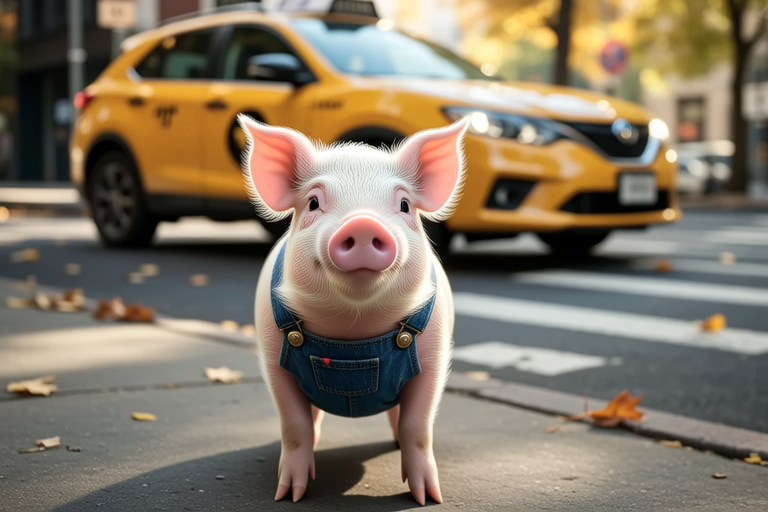
Exploring the Feasibility of Mini Pigs Living in Urban Environments
As urban living continues to evolve, more pet owners are seeking companions that fit the bustling lifestyle of city dwellers. Among the growing trend is the mini pig, a breed that has gained popularity for its compact size and charming demeanor. This article delves into the feasibility of mini pigs living in urban environments, addressing their unique characteristics, common concerns of urban dwellers, and the necessary care requirements. We will also highlight success stories and provide tips for potential owners.
Unique Characteristics of Mini Pigs
Mini pigs, also known as teacup pigs, potbellied pigs, or micro pigs, are smaller versions of standard domestic pigs. They come in various breeds and sizes, but most are designed to be manageable within urban spaces. These animals possess several traits that make them both appealing and challenging for city life.
- Compact Size: Mini pigs typically weigh between 35 and 70 pounds, making them significantly smaller than traditional farm pigs. Their diminutive stature allows them to thrive in apartments and smaller homes.
- Social Nature: Mini pigs are highly intelligent and social creatures, often forming strong bonds with their human families. They require companionship and mental stimulation, which can be provided through interactive play and training.
- Cleanliness: Contrary to popular belief, mini pigs are clean animals. They do not have a strong odor and can be trained to use litter boxes, much like cats.
Common Concerns of Urban Dwellers
Despite their appealing traits, mini pigs face several challenges when it comes to living in urban environments. Below are some of the most common concerns expressed by city dwellers:
Space
One of the primary concerns among urban residents is the limited space available in cities. Mini pigs, while smaller than regular pigs, still require adequate living conditions. They need a comfortable indoor area where they can sleep, eat, and rest. Additionally, they benefit from outdoor time for exercise and mental stimulation. Owners must ensure that their living space provides enough room for the pig to move around freely without feeling cramped.
Noise
Another concern is the level of noise mini pigs might produce. While generally quiet, mini pigs can become vocal if they feel neglected or bored. Providing them with toys, puzzles, and regular interaction can help reduce excessive barking or squealing.
Hygiene
Some people worry about the cleanliness of mini pigs, especially in shared living spaces. However, mini pigs are relatively clean animals. They can be trained to use litter boxes, and regular grooming and bathing can maintain their hygiene. Proper waste management and cleaning routines are essential to minimize any unpleasant odors.
Local Regulations
Before considering a mini pig as a pet, it’s crucial to research local laws and regulations. Some cities have strict rules regarding exotic pets, and mini pigs may fall under this category. Owners must ensure compliance with all legal requirements, including licensing, vaccination, and spaying/neutering.
Care Requirements
Raising a mini pig in an urban environment requires careful attention to their specific needs. Understanding these requirements is key to ensuring their well-being and happiness.
Diet
A balanced diet is essential for maintaining a healthy mini pig. Their diet should consist of high-quality pig-specific pellets, fresh vegetables, fruits, and limited amounts of grains. Avoid feeding them processed foods, sugary treats, or excessive amounts of salt. Regular meals and snacks should be portion-controlled to prevent obesity.
Exercise
Mini pigs are active animals that require regular exercise to stay healthy. Daily walks, playtime, and opportunities to explore new environments are recommended. Indoor enrichment activities, such as puzzle feeders and interactive toys, can also help stimulate their minds.
Social Needs
Mental and emotional stimulation are equally important for mini pigs. They thrive on companionship and enjoy interacting with their owners and other pets. Providing them with toys, puzzles, and regular play sessions can help keep them engaged and happy.
Success Stories
Several mini pigs have successfully adapted to urban living, proving that with proper care and attention, they can thrive in city environments. One notable example is Piglet, who lives in a small apartment in New York City. His owner ensures he gets daily walks in Central Park and provides him with plenty of toys and puzzles to keep him entertained. Another success story involves Nibbles, a mini pig residing in San Francisco. His family has created a backyard oasis filled with tunnels, climbing structures, and a designated play area.
Tips for Potential Owners
If you’re considering adopting a mini pig for your urban home, here are some tips to ensure a smooth transition:
- Research Local Laws: Familiarize yourself with your city’s regulations regarding exotic pets to avoid any legal issues.
- Prepare Your Home: Ensure your living space is safe and comfortable for your new pet. Install baby gates to prevent access to dangerous areas and provide a cozy sleeping spot.
- Train Early: Start training your mini pig as soon as possible. Basic commands, litter box training, and socialization are crucial for a well-behaved pet.
- Seek Professional Advice: Consult with veterinarians specializing in pigs to learn about their specific healthcare needs. Regular check-ups and vaccinations are vital for maintaining their health.
Conclusion: Can Urban Living Suit These Tiny Trotters?
The question remains: can urban living truly suit these tiny trotters? The answer lies in the balance between the unique needs of mini pigs and the resources available to urban dwellers. With proper planning, care, and attention, mini pigs can indeed thrive in city environments. However, it’s essential to recognize that they are not just small dogs; they have distinct requirements that must be met.
For those willing to invest the time and effort, mini pigs can bring immense joy and companionship to urban households. By addressing common concerns, understanding care requirements, and learning from success stories, potential owners can create a fulfilling life for their miniature porcine friends. Ultimately, the decision to adopt a mini pig should be made thoughtfully, with careful consideration of both the animal’s needs and the owner’s ability to provide for them.