
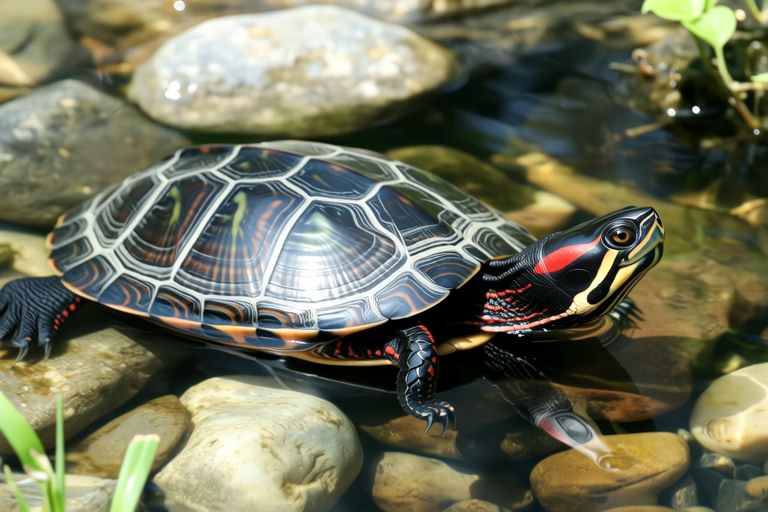
Top Secrets for Raising a Healthy Red-Eared Slider
Welcome to the world of red-eared slider turtles! These charismatic reptiles are popular pets for their vibrant personalities and relatively low maintenance needs. However, to ensure they thrive, it’s crucial to understand their specific care requirements. This comprehensive guide will cover essential care tips, diet, habitat setup, temperature control, lighting requirements, common health issues, and preventive measures. By following these guidelines, you’ll be well-equipped to provide your red-eared slider with a happy and healthy life.
Essential Care Tips
Raising a red-eared slider requires attention to several key aspects of their environment and care. First and foremost, always purchase your turtle from a reputable breeder or pet store that prioritizes animal welfare. Avoid supporting the illegal trade by refusing to buy wild-caught turtles. Once you bring your new friend home, acclimate them slowly to their new surroundings. Place them in a quarantine tank for about two weeks to monitor for any signs of illness before introducing them to the main enclosure.
Red-eared sliders are semi-aquatic turtles, meaning they spend time both in and out of the water. Therefore, their living space must cater to both environments. A spacious tank is essential; for a single adult turtle, aim for at least 40 gallons of water. The tank should include a basking area with a flat rock or platform above the water level, ensuring it’s large enough for the turtle to fully extend its limbs. Additionally, provide hiding spots such as caves or floating plants to offer security.
Diet
A balanced diet is fundamental to maintaining your turtle’s health. Red-eared sliders are omnivores, consuming a mix of plant matter and protein. Juvenile turtles require more protein than adults, so adjust their diet accordingly. Offer high-quality commercial turtle pellets as a staple food, supplemented with fresh vegetables like romaine lettuce, kale, and carrots. For protein, feed small amounts of cooked lean meats, earthworms, or commercial turtle sticks. Avoid feeding your turtle iceberg lettuce, as it lacks nutritional value and can cause digestive issues.
Feeding schedules are important too. Feed juveniles daily, reducing frequency to every other day as they mature. Overfeeding can lead to obesity and related health problems. Always remove uneaten food promptly to maintain water quality. It’s also wise to soak pellets in water before feeding to soften them, making digestion easier for your turtle.
Habitat Setup
The right habitat setup is crucial for your turtle’s wellbeing. Start with a spacious tank; remember, bigger is better. Ensure the water depth allows your turtle to swim comfortably while keeping their head above water. Equip the tank with a powerful filtration system to keep the water clean and oxygenated. Regular water changes are necessary to prevent bacterial growth and maintain optimal water quality.
Temperature control is vital. Red-eared sliders need warm water and air temperatures to digest food properly and stay active. Maintain the water temperature between 75°F and 80°F (24°C to 27°C) using submersible heaters. The basking area should reach around 90°F (32°C) under a UVB light. Use a thermometer to monitor temperatures accurately and make adjustments if necessary.
Lighting Requirements
UVB lighting is indispensable for red-eared sliders. It helps them synthesize vitamin D3, which is crucial for calcium absorption and bone health. Invest in a high-quality UVB bulb designed for reptiles and position it close enough to the basking area but far enough to avoid overheating. Replace the bulb every six months, even if it still appears functional, to ensure consistent UV output. Providing 10-12 hours of light per day mimics natural daylight cycles, promoting healthy behavior and circadian rhythms.
Common Health Issues and Preventive Measures
Like all animals, red-eared sliders are susceptible to various health issues. Shell rot, a bacterial infection affecting the shell, is one of the most common. It presents as soft, discolored patches on the shell. Immediate veterinary care is necessary if you suspect shell rot. To prevent this, keep the tank clean and dry the turtle thoroughly after bathing.
Mouth rot, characterized by swelling and white plaques in the mouth, is another concern. It usually results from poor water quality or trauma. Address it promptly by improving water conditions and consulting a veterinarian.
To prevent respiratory infections, ensure the turtle has adequate ventilation and humidity levels. These infections often manifest as wheezing, lethargy, or runny noses. Regular health checks and maintaining a stress-free environment are key to preventing these issues.
Proper Feeding Schedules
Establishing a proper feeding schedule is vital for your turtle’s health. Feed juveniles daily, transitioning to every other day as they mature. Overfeeding can lead to obesity and related health problems. Always remove uneaten food promptly to maintain water quality. Soaking pellets in water before feeding can aid digestion. Avoid feeding your turtle iceberg lettuce, as it lacks nutritional value and can cause digestive issues.
Suitable Tank Mates
Choosing appropriate tank mates for your red-eared slider is important. While some species of turtles can coexist peacefully, others may pose threats. Compatible tank mates include painted turtles and sliders of similar size. Avoid housing different species, as this can lead to aggression or disease transmission. Additionally, consider the tank’s capacity when adding more turtles; overcrowding can stress the animals and compromise water quality.
Regular Health Checks
Regular health checks are crucial for early detection of potential issues. Examine your turtle weekly for any unusual signs, such as swelling, discoloration, or abnormal behavior. Pay special attention to the shell, skin, and eyes. If you notice anything concerning, consult a veterinarian specializing in reptiles. Early intervention can prevent minor issues from becoming severe problems.
Importance of Water Quality Maintenance
Maintaining excellent water quality is paramount for your turtle’s health. Regularly clean the tank and filter to remove debris and waste. Perform partial water changes weekly, replacing about 25% of the water each time. This helps dilute harmful substances and keeps the water clear. Test the water regularly for pH, ammonia, nitrite, and nitrate levels using aquarium test kits. Aim for a pH between 6.5 and 8.0, with ammonia and nitrite levels at zero and nitrate levels below 40 ppm.
In conclusion, raising a healthy red-eared slider involves understanding and meeting their specific needs regarding diet, habitat, lighting, and overall care. By following the advice provided in this guide, you’ll be well-prepared to give your turtle a long and happy life. Remember, responsible ownership includes providing proper care and addressing any health concerns promptly. With dedication and knowledge, you can enjoy the rewarding experience of owning a red-eared slider.