
Common Mistakes People Make When Caring for Goldfish
Welcome to the world of goldfish! These vibrant, playful fish have long been cherished by aquarium enthusiasts and newcomers alike. Their affordability, hardiness, and striking colors make them a popular choice for first-time fish owners. However, despite their reputation as low-maintenance pets, goldfish require proper care to thrive. Many people fall into the trap of believing that caring for goldfish is straightforward, leading to common mistakes that can harm these delightful creatures. This article aims to shed light on some of these prevalent errors and offer practical solutions to ensure your goldfish live long, healthy lives.
Five Common Mistakes in Goldfish Care
1. Inadequate Tank Size
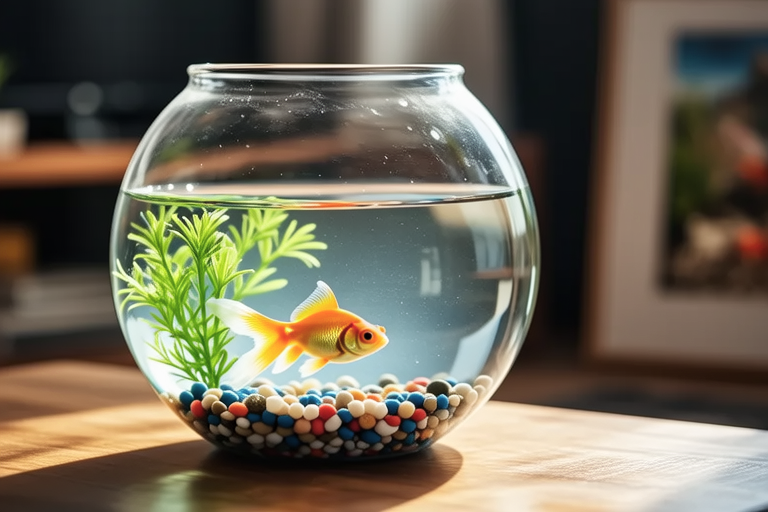
One of the most frequent mistakes is providing an insufficient tank size for goldfish. Many beginners believe that goldfish can survive in small bowls or tanks, but this is far from the truth. Goldfish are active swimmers and grow larger than expected, requiring ample space to move around freely. A cramped environment leads to stress, stunted growth, and health issues.
Why It’s Harmful: Small tanks restrict movement, causing physical stress and limiting oxygen availability. Overcrowding also increases waste production, leading to poor water quality.
How to Correct It: Provide a minimum of 20 gallons of water per goldfish in a tank with dimensions allowing for efficient swimming. Regularly clean the tank and perform partial water changes to maintain water quality.
2. Poor Water Quality Maintenance
Another critical mistake is neglecting water quality. Clean, well-maintained water is essential for goldfish health. Neglecting regular water changes or failing to monitor parameters like pH, ammonia, nitrite, and nitrate levels can lead to dangerous conditions.
Why It’s Harmful: Ammonia and nitrite buildup can be toxic, causing gill damage and respiratory distress. High nitrate levels promote algae growth and can cause diseases.
How to Correct It: Perform weekly water changes of 25% to 50%, depending on the number of fish and tank size. Use water conditioners to neutralize chlorine and heavy metals. Test water parameters regularly and address any imbalances promptly.
3. Incorrect Feeding Habits
Feeding goldfish improperly is another common pitfall. Many owners overfeed or provide unsuitable food, which can lead to obesity, digestive problems, and water pollution.
Why It’s Harmful: Overfeeding causes uneaten food to decompose, increasing ammonia levels and reducing oxygen in the water. Excess weight can strain internal organs and reduce lifespan.
How to Correct It: Feed your goldfish only what they can consume within two minutes once or twice daily. Choose high-quality, nutrient-rich foods specifically formulated for goldfish. Avoid over-relying on processed pellets; supplement with fresh vegetables and occasional treats.
4. Lack of Tank Decoration for Hiding
Goldfish need places to hide and rest. Without adequate hiding spots, they may become stressed, especially during feeding times or when feeling threatened.
Why It’s Harmful: Stress can weaken the immune system, making goldfish more susceptible to diseases. Lack of hiding spots can also increase aggression among tankmates.
How to Correct It: Add live or artificial plants, caves, and driftwood to create hiding areas. Ensure decorations are safe and free from sharp edges that could injure the fish.
5. Insufficient Oxygen Levels
Goldfish are sensitive to oxygen levels. Insufficient oxygen can lead to respiratory issues and even death. Many owners overlook the importance of maintaining proper oxygen levels in the tank.
Why It’s Harmful: Low oxygen levels can cause gasping at the surface, lethargy, and eventually suffocation. This is particularly dangerous during warmer months when oxygen solubility decreases.
How to Correct It: Install an appropriate filter that includes an air pump to enhance water circulation and oxygenation. Avoid overstocking the tank and ensure adequate surface agitation. Consider adding floating plants that help increase oxygen levels through photosynthesis.
Tips for Maintaining a Healthy Environment for Goldfish
Maintaining a healthy environment for your goldfish involves more than just avoiding the mistakes mentioned above. Here are additional tips to ensure your goldfish thrive:
- Monitor water temperature and keep it stable between 68°F and 74°F (20°C to 23°C).
- Perform routine tank maintenance, including cleaning filters and gravel vacuuming.
- Introduce new fish slowly to prevent shock and disease transmission.
- Provide a balanced diet rich in protein, vitamins, and minerals.
- Regularly observe your goldfish for signs of illness or abnormal behavior.
By following these guidelines, you’ll create a nurturing habitat where your goldfish can flourish. Remember, goldfish are fascinating creatures deserving of the best possible care.
Resources for Further Learning
If you’re eager to learn more about goldfish care, there are numerous books, articles, and forums available online. Some recommended titles include “The Truth About Goldfish” by David E. Boruchowitz and “Keeping Goldfish” by Dr. Chris Andrews. Joining local aquarium clubs or online communities dedicated to goldfish can also provide valuable insights and support.
Caring for goldfish may seem daunting initially, but with the right knowledge and dedication, you can enjoy years of companionship with these charming aquatic friends. Happy fishkeeping!