
5 Surprising Facts About Goldfish You Never Knew
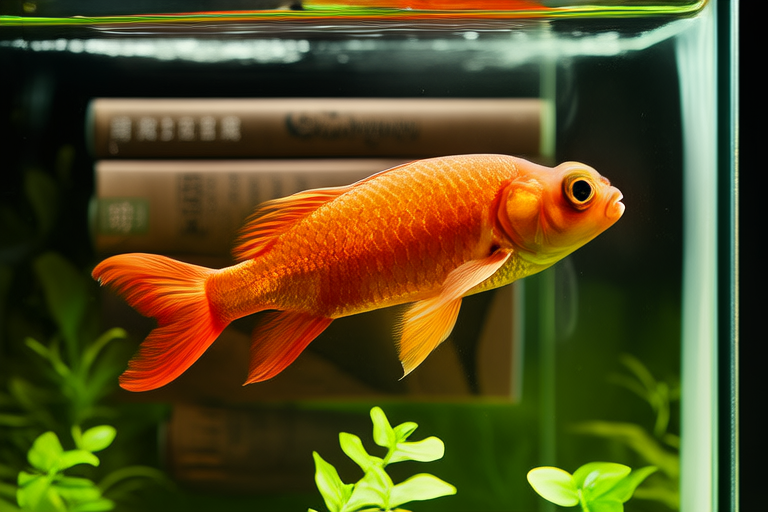
Goldfish are one of the most popular pets in the world. Their vibrant colors and gentle nature make them a favorite among aquarium enthusiasts. Whether you’re a seasoned aquarist or a first-time pet owner, there’s always more to learn about these fascinating creatures. In this article, we’ll explore five surprising facts about goldfish that you may never have known. From their impressive memory to their ability to recognize faces, get ready to dive into the world of these delightful aquatic companions.
Fact 1: Goldfish Have a Better Memory Than You Think
Contrary to popular belief, goldfish have a memory span that can last several months. Research has shown that goldfish can remember specific tasks and locations for up to three months. This debunking of the myth that goldfish only have a three-second memory is supported by experiments where fish were trained to perform certain actions, like swimming through hoops or pressing levers for food. These studies demonstrate that goldfish can learn and retain information over extended periods, making them more intelligent than many people realize.
Fact 2: Goldfish Are Omnivores with Varied Dietary Needs
Goldfish are omnivorous, meaning they eat both plant and animal matter. Their diet in the wild consists of algae, plants, insects, and small crustaceans. In captivity, it’s important to provide a balanced diet that mimics their natural feeding habits. High-quality flake foods, pellets, and occasional treats like frozen bloodworms or brine shrimp can help maintain their health. However, overfeeding can lead to obesity and poor water quality, so it’s crucial to feed them only what they can consume in two minutes, twice daily. A varied diet ensures they receive all necessary nutrients, promoting vibrant coloration and overall well-being.
Fact 3: Proper Care Can Extend Their Lifespan Significantly
With proper care, goldfish can live much longer than the typical one to two years often cited in pet stores. Some goldfish have been known to live up to 20 years. Factors contributing to their longevity include a spacious tank, clean water, and a nutritious diet. A larger tank allows for better water circulation and reduces stress on the fish. Regular water changes and filtration systems also play a vital role in maintaining optimal water conditions. Additionally, avoiding overcrowding and ensuring the tank temperature remains stable are key to extending their lifespan.
Fact 4: Goldfish Can Recognize Their Owners
Believe it or not, goldfish can recognize human faces. Studies have shown that goldfish can differentiate between familiar and unfamiliar faces. They can even associate specific faces with feeding times, which means they might swim towards you when they see you approaching the tank. This ability to recognize faces and form associations with their caretakers highlights the social intelligence of goldfish. Engaging with your goldfish through regular feeding and interaction can strengthen this bond, making them more responsive and active in their environment.
Fact 5: Goldfish Can Grow Much Larger Than Expected
Goldfish can grow significantly larger than the average size seen in pet stores. While common varieties like the comet goldfish may reach lengths of around six inches, some goldfish breeds can grow much bigger. For example, the Shubunkin variety can reach lengths of up to 12 inches, and the Fantail goldfish can grow to 10 inches or more. Providing ample space and suitable water conditions are essential for encouraging healthy growth. Overcrowded tanks or insufficient filtration can stunt growth and lead to health issues. Therefore, it’s important to plan for the eventual size of your goldfish when setting up their home.
Maintaining a Healthy Environment for Your Goldfish
Now that you’ve learned these fascinating facts about goldfish, it’s essential to consider how you can provide the best possible environment for your aquatic friends. Here are some tips for responsible pet ownership:
- Proper Tank Size: Goldfish need plenty of space to thrive. A general rule of thumb is to provide at least 20 gallons of water per goldfish. Larger tanks offer better water quality and reduce stress.
- Water Quality: Regular water changes and effective filtration are crucial. Test the water regularly for ammonia, nitrite, and pH levels to ensure it remains safe for your fish.
- Feeding: Feed your goldfish a balanced diet, but avoid overfeeding. Uneaten food can degrade water quality, leading to health problems.
- Temperature: Maintain a consistent temperature between 68 and 74 degrees Fahrenheit. Sudden changes can stress your fish and compromise their immune system.
- Decorations: Provide hiding spots and plants to mimic their natural habitat. This helps reduce stress and encourages natural behaviors.
By following these guidelines, you can ensure that your goldfish live long, healthy lives full of joy and discovery. Remember, responsible pet ownership involves not just providing food and shelter but also creating an enriching environment that promotes their physical and mental well-being.
In conclusion, goldfish are far more complex and interesting than many people realize. From their impressive memory and dietary needs to their potential size and ability to recognize their owners, these facts highlight the intelligence and adaptability of goldfish. By understanding these aspects and taking steps to create a healthy living environment, you can ensure that your goldfish remain happy and healthy companions for years to come. So, whether you’re a novice or an experienced aquarist, take the time to appreciate the unique qualities of your goldfish and enjoy the rewarding experience of caring for these wonderful creatures.