
Betrayed by the Beauty? Why Proper Care is Crucial for Betta Health
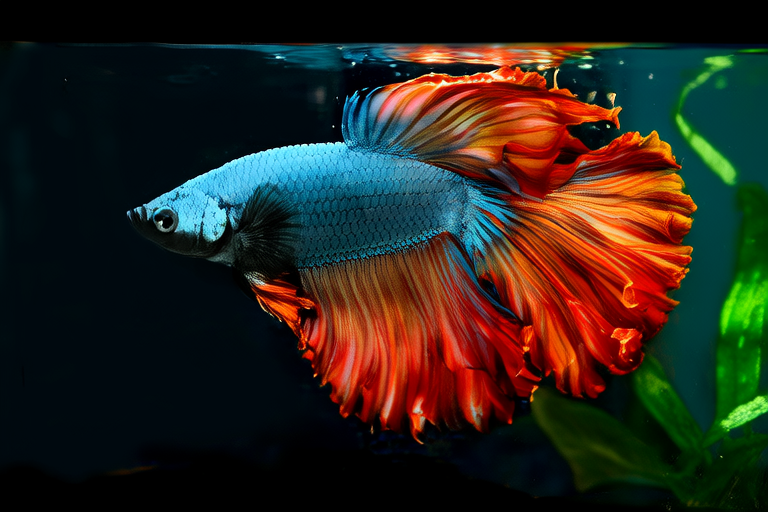
When it comes to selecting a pet, few fish can match the vibrant allure of the betta. Their striking colors and flowing fins make them a favorite among aquarium enthusiasts. However, this aesthetic appeal often leads to a common misconception: that bettas are low-maintenance pets. This assumption, however, could not be further from the truth. Betta fish, despite their beauty, require careful attention to thrive. This article aims to shed light on the essential aspects of betta care, addressing their environmental and dietary needs, and the potential consequences of neglect.
The Myth of Low-Maintenance
Many people believe that because bettas can live in small containers, they are easy to care for. This belief is often reinforced by images of bettas living in tiny vases or bowls, which are far from ideal environments. The reality is that these conditions can lead to severe health problems for the fish. Proper care involves understanding the specific needs of bettas and ensuring their environment meets those requirements.
Environmental Needs
Bettas are tropical fish, native to Southeast Asia, where they inhabit warm, slow-moving waters. To mimic this natural habitat, bettas need a well-maintained tank with stable temperatures between 76°F and 82°F (24°C to 28°C). A heater is essential for maintaining these temperatures, especially if the room temperature fluctuates. Additionally, bettas prefer soft, slightly acidic water with a pH range of 6.5 to 7.5.
Adequate filtration is also crucial to ensure the water remains clean and free from harmful toxins. Overcrowding should be avoided, as it can lead to increased waste and stress for the fish. A general rule of thumb is to have no more than one betta per gallon of water, although some experts recommend a minimum of two gallons per fish for optimal health.
Dietary Requirements
Bettas are carnivorous by nature, requiring a diet rich in protein. In the wild, they feed on small insects and insect larvae. In captivity, this translates to a diet primarily consisting of high-quality betta pellets, freeze-dried or frozen bloodworms, brine shrimp, and daphnia. It’s important to provide a varied diet to ensure the fish receive all necessary nutrients.
Overfeeding is a common mistake that can lead to obesity and swim bladder disorders. Feeding bettas once or twice daily, offering only what they can consume within a few minutes, is recommended. Avoid overloading their diet with live foods, as these can introduce parasites and bacteria into the tank.
Proper Tank Setup
Setting up a suitable tank is the first step in providing a healthy environment for your betta. While a minimum of five gallons is ideal, larger tanks offer more space and better water quality. The tank should include a lid to prevent the fish from jumping out, as bettas are known for their acrobatic behavior.
Substrate, plants, and decorations can enhance the tank’s aesthetics while also serving functional purposes. Plants provide hiding spots and reduce stress, while decorations can enrich the environment and stimulate the fish. However, sharp-edged decorations should be avoided to prevent injury to the betta’s delicate fins.
Water Quality Maintenance
Maintaining water quality is paramount for betta health. Regular water changes are necessary to remove accumulated waste and maintain proper water parameters. A 25% water change every week is generally recommended, though this may vary depending on tank size and filtration efficiency.
Testing kits are invaluable tools for monitoring water quality. They allow you to check parameters such as ammonia, nitrite, nitrate, and pH levels. Keeping these within safe ranges ensures the betta’s well-being. Ammonia and nitrite should be undetectable, while nitrates should be kept below 20 ppm.
Suitable Tank Mates
While bettas are often sold as community fish, they are actually semi-aggressive and territorial. Male bettas, in particular, can become aggressive towards other males and even some species of fish. It’s advisable to keep male bettas singly, while females can be housed together in groups known as sororities.
If you wish to introduce other fish, choose peaceful species that won’t disturb the betta’s territory. Some suitable tank mates include certain types of guppies, tetras, and corydoras catfish. However, it’s essential to research each species’ compatibility before introducing them to the tank.
Recognizing Signs of Distress
Knowing how to recognize signs of distress in your betta is vital for timely intervention. Common indicators of poor health include lethargy, loss of appetite, rapid breathing, clamped fins, and unusual swimming patterns. Discoloration or sores on the body can also signal underlying health issues.
If you notice any of these symptoms, it’s important to act quickly. Adjusting water parameters, improving diet, and reducing stressors can sometimes alleviate mild issues. However, persistent or severe symptoms should prompt a visit to a veterinarian specializing in exotic animals.
The Importance of Veterinary Check-Ups
Regular veterinary check-ups are crucial for maintaining your betta’s health. Just like with other pets, routine examinations can help detect early signs of disease or nutritional deficiencies. A vet can also advise on appropriate treatments and preventive measures.
Veterinary care might seem unnecessary for a fish, but it can make a significant difference in their longevity and quality of life. Establishing a relationship with a reputable aquatic veterinarian can provide peace of mind and ensure your betta receives the best possible care.
Conclusion
Betta fish are beautiful creatures that deserve our respect and care. While their vibrant appearance may suggest ease of care, the reality is quite different. By understanding and meeting their specific environmental and dietary needs, we can ensure these magnificent fish live long, healthy lives. Remember, responsible pet ownership extends beyond the initial purchase; it encompasses ongoing commitment to the animal’s welfare.
Through proper tank setup, water quality maintenance, appropriate diet, and regular veterinary check-ups, you can provide your betta with the best possible environment. With these efforts, you’ll not only enjoy the beauty of your betta but also contribute to its overall well-being. Let us strive to dispel the myth of low-maintenance and embrace the responsibility of caring for these wonderful creatures.