
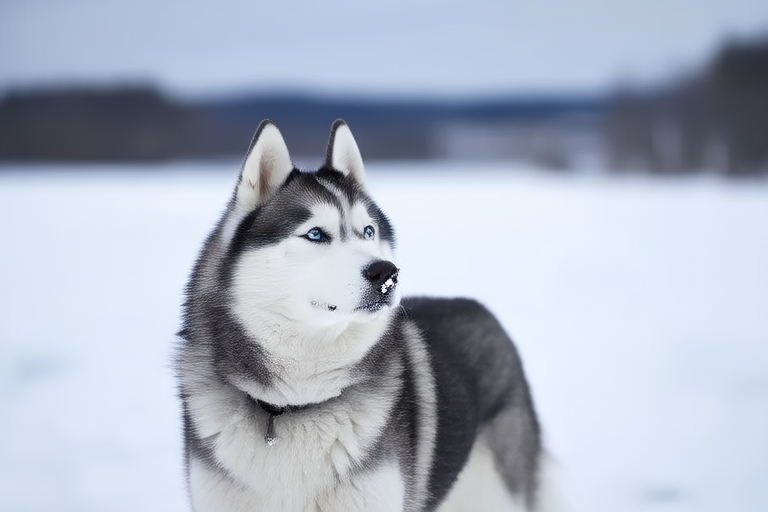
Chasing Dreams: A Journey into the Heart of Siberian Huskies
The story of Siberian huskies is as captivating as it is ancient, rooted deep within the icy landscapes of Siberia. These majestic creatures have been integral to human life for centuries, playing pivotal roles in transportation and companionship. Originating from the Chukchi people, who lived in the northeastern region of Siberia, Siberian huskies were originally bred for endurance and speed. Their primary purpose was to pull sleds across vast distances in harsh, frigid conditions, where every step required strength and resilience. Over time, these dogs became more than just tools; they became cherished companions, embodying loyalty and steadfastness.
The history of Siberian huskies is intertwined with the history of the Chukchi people. They were bred to withstand the brutal Arctic climate, which demanded not only physical endurance but also mental fortitude. The Chukchi people relied on these dogs to transport goods and people across the vast tundra, ensuring survival during long, cold winters. This legacy of service has made the Siberian husky one of the most admired and respected breeds today.
Physical Attributes: Built for Cold Climates and Endurance Running
Siberian huskies possess unique physical traits that set them apart from other dog breeds. Their thick double coat, consisting of a soft undercoat and a coarser outer coat, is designed to insulate against the biting cold. This fur is dense enough to keep them warm even in temperatures as low as -60 degrees Celsius. Their almond-shaped eyes, often blue, brown, or a combination of both, provide excellent peripheral vision, crucial for navigating through snow-covered terrain.
Moreover, their compact build and powerful legs contribute significantly to their agility and stamina. The Siberian husky’s muscular hindquarters allow for explosive bursts of speed, while their front legs are designed for efficient, steady movement. Their small, tightly packed paws are another adaptation to their environment. The paws are webbed, which helps them move through snow more efficiently, preventing them from sinking too deeply. These features combined make the Siberian husky an ideal candidate for endurance running and sledding.
Temperament and Intelligence: A Double-Edged Sword
Siberian huskies are known for their friendly and outgoing demeanor, making them excellent companions for families and individuals alike. However, their intelligence can sometimes be a challenge. These dogs are highly intelligent and independent, often requiring consistent training and mental stimulation to prevent boredom and destructive behavior. Their strong will can make them difficult to train at times, but their eagerness to please and learn makes it worthwhile.
One of the most endearing qualities of Siberian huskies is their playful and energetic nature. They thrive on interaction and enjoy spending time with their human families. Despite their friendly disposition, Siberian huskies can be aloof with strangers, which makes them good watchdogs without being overly aggressive. Their natural instinct to herd and run can lead to challenges in environments where they might encounter livestock or other animals, so proper socialization is crucial.
Care Requirements and Health Considerations
Proper care is essential for maintaining the health and well-being of a Siberian husky. Regular grooming is necessary to manage their thick coat, especially during shedding seasons when they lose large amounts of fur. Daily brushing can help reduce the amount of hair around the house and prevent matting. Bathing should be done sparingly to avoid stripping their coat of its natural oils.
Feeding a high-quality diet rich in protein and fat is recommended to meet their energy needs. Since they are active dogs, they require ample exercise to maintain their physical and mental health. Daily walks or runs, along with opportunities for play and exploration, are vital. Indoor enrichment activities such as puzzle toys can also help keep their minds engaged.
Health-wise, Siberian huskies are generally healthy dogs, but they are prone to certain genetic conditions. Hip dysplasia, a condition where the hip joint doesn’t fit properly, is common among larger breeds, including Siberian huskies. Other health issues include progressive retinal atrophy (PRA), a degenerative eye disease that can lead to blindness. Regular veterinary check-ups and genetic testing can help identify and manage these conditions early.
Anecdotes and Stories: The Bond Between Humans and Siberian Huskies
Stories of the bond between humans and Siberian huskies abound, each one illustrating the depth of affection and trust that develops between owner and pet. One such story involves a Siberian husky named Balto, who led a team of sled dogs in delivering diphtheria serum to Nome, Alaska, during a deadly outbreak in 1925. The journey, covering over 674 miles in five and a half days, saved countless lives and cemented the Siberian husky’s place in history.
Another tale comes from the 2014 Sochi Winter Olympics, where a group of Siberian huskies was chosen to carry the Olympic torch. Their participation highlighted the enduring connection between these dogs and human achievements. These stories underscore the unwavering loyalty and spirit of adventure that Siberian huskies bring to their relationships with humans.