
Siberian Huskies: More Than Just a Pretty Face – Their Unique Traits Explained
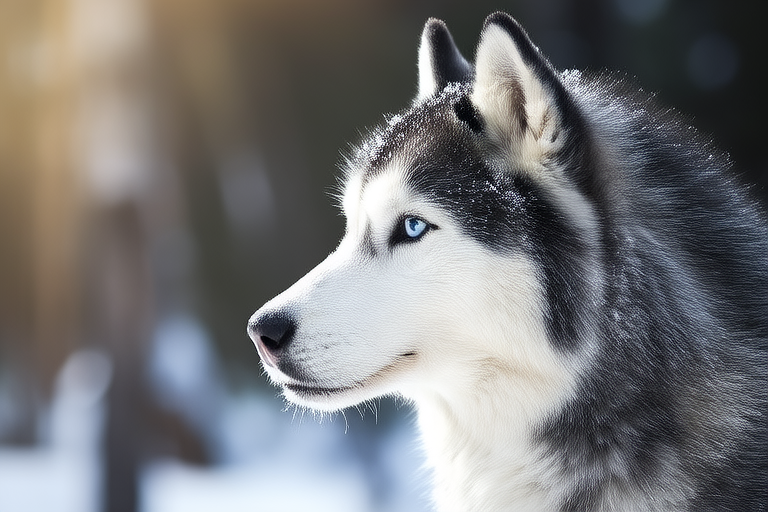
When you think of Siberian Huskies, the first thing that comes to mind might be their striking blue or multi-colored eyes and thick, plush coats. However, these dogs have much more to offer than just their good looks. They are a breed with a rich history, remarkable endurance, strong social bonds, and a unique set of physical and mental traits. This article will delve into the various aspects of Siberian Huskies, providing potential owners with a comprehensive understanding of what it takes to care for one of these magnificent creatures.
A Brief History
The Siberian Husky has its roots in the Chukchi people of Northeastern Asia, where they were bred as sled dogs. These dogs were crucial for transportation and survival in harsh Arctic conditions. The breed was brought to Alaska in the early 20th century during the Gold Rush era. They played a pivotal role in the famous “Great Race of Mercy” in 1925, when a team of Huskies delivered life-saving serum to Nome, Alaska, during a diphtheria outbreak. This event highlighted the breed’s incredible stamina and loyalty, solidifying their reputation as exceptional working dogs.
Endurance and Strength
Siberian Huskies are known for their remarkable endurance and strength. They were originally bred to pull heavy loads over long distances in extremely cold environments. Today, they still possess these qualities, making them excellent candidates for sledding, racing, and other physically demanding activities. Their muscular build and deep chest allow them to maintain steady energy levels throughout the day. Despite their impressive physical capabilities, Huskies are generally not aggressive or overly territorial, which makes them suitable for families and homes where space allows for regular exercise.
Social Behavior
Siberian Huskies are highly social animals. They thrive in environments where they can interact with their human family members and other pets. While they are independent thinkers, they enjoy companionship and do not like being left alone for extended periods. This trait can lead to separation anxiety if not properly addressed. Socialization from an early age is essential to ensure your Husky becomes a well-rounded and friendly dog. They get along well with children and other pets but may require supervision around smaller animals due to their hunting instincts.
Intelligence
Known for their intelligence, Siberian Huskies are quick learners. However, their independent nature can sometimes make training challenging. Positive reinforcement methods work best with this breed. Consistency and patience are key, as Huskies can become easily bored with repetitive tasks. Interactive games and puzzles can help stimulate their minds and keep them engaged during training sessions. It’s important to establish clear boundaries and rules from the beginning to avoid confusion.
Exercise Needs
Huskies require significant amounts of physical activity to stay healthy and happy. A daily walk or run is necessary, but they also benefit greatly from opportunities to explore and play off-leash in safe areas. Agility courses, hiking, and swimming are all excellent ways to meet their exercise requirements. Without adequate outlets for their energy, Huskies may resort to destructive behaviors such as chewing or digging. Providing them with toys that encourage mental stimulation can also help alleviate boredom.
Grooming Requirements
Despite their thick coats, Siberian Huskies are relatively low-maintenance when it comes to grooming. They shed heavily twice a year during seasonal changes, but regular brushing can help manage shedding throughout the rest of the year. Bathing should be done sparingly to avoid stripping natural oils from their skin. Pay attention to their nails, ears, and teeth, maintaining good hygiene practices to prevent infections or other issues. Regular nail trimming and dental care are particularly important.
Health Considerations
While generally healthy, Siberian Huskies are prone to certain genetic disorders. Hip dysplasia, progressive retinal atrophy (PRA), and cataracts are among the most common health concerns. Responsible breeding practices can reduce the risk of these conditions. Regular veterinary check-ups and screenings are recommended to catch any potential issues early. Maintaining a balanced diet and providing proper exercise can contribute to overall health and longevity.
Common Misconceptions
One common misconception about Siberian Huskies is that they are hyperactive or uncontrollable. In reality, they are calm and gentle dogs when properly exercised and trained. Another myth is that they don’t need much attention. On the contrary, Huskies are social animals that crave interaction and affection. Lastly, some believe that Huskies are easy to train due to their intelligence. While they are intelligent, their independent nature can make training more challenging if approached incorrectly.
Practical Advice for Potential Owners
If you’re considering bringing a Siberian Husky into your home, there are several factors to consider. First, ensure you have enough time and space to provide the exercise and social interaction they need. Second, prepare for regular grooming sessions, especially during shedding seasons. Third, choose a reputable breeder who prioritizes the health and temperament of their puppies. Finally, be prepared for the long-term commitment involved in owning a Husky. With proper care and attention, these dogs can be loyal, loving companions for many years.
In conclusion, Siberian Huskies are much more than just pretty faces. They are a breed with a fascinating history, impressive physical abilities, and unique social and behavioral traits. By understanding these aspects, potential owners can better prepare themselves for the joys and challenges of living with a Siberian Husky. With the right care and attention, these dogs can bring immense happiness and fulfillment to their human families.