
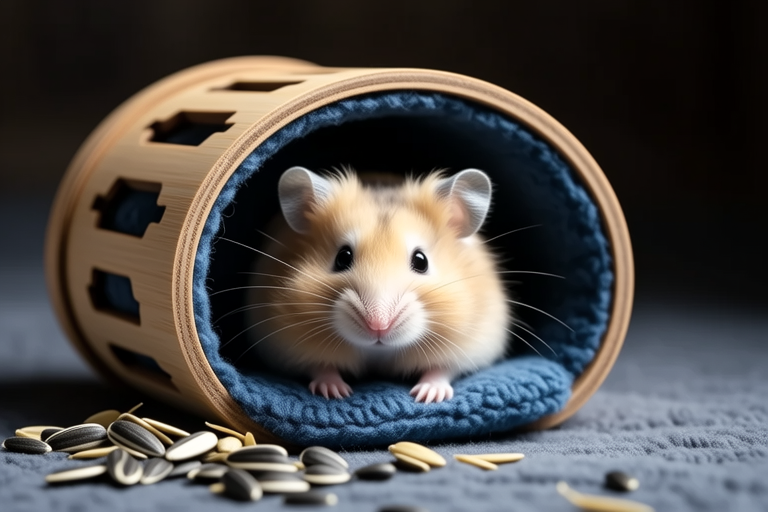
How to Create the Perfect Sleep Environment for Your Night-Owl Hamster
Hamsters are nocturnal creatures, meaning they are most active during the night. As a responsible hamster owner, it is essential to understand their sleep patterns and create an environment that promotes healthy sleeping habits. This article will guide you through the process of creating the perfect sleep environment for your night-owl hamster. We’ll cover understanding hamster sleep patterns, selecting appropriate bedding materials, ensuring optimal temperature and humidity levels, providing adequate hiding spots, minimizing noise and light disturbances during their active hours, and maintaining a consistent routine.
Understanding Hamster Sleep Patterns
Hamsters are naturally nocturnal animals, which means they are most active during the night and prefer to sleep during the day. They have short bursts of activity throughout the night, interspersed with periods of rest. On average, hamsters sleep for about 10 hours each day, but this can vary depending on the species and individual preferences. Syrian hamsters typically sleep more than dwarf hamsters, who tend to be more active throughout the night.
It’s important to note that hamsters are crepuscular, meaning they are most active during dawn and dusk. This behavior is influenced by their natural habitat, where they would avoid predators during daylight hours. By understanding these patterns, you can better accommodate your hamster’s needs and ensure they get the rest they require.
Selecting Appropriate Bedding Materials
The right bedding material is crucial for your hamster’s comfort and health. Cedar and pine shavings are not recommended as they can cause respiratory issues. Instead, opt for dust-free paper-based bedding or high-quality wood shavings like aspen. These options provide excellent insulation, absorb moisture, and allow your hamster to burrow comfortably. Additionally, consider adding soft fleece blankets or hammocks to your hamster’s cage, offering them a cozy spot to nap during the day.
Ensure the bedding is changed regularly to prevent bacterial growth and maintain hygiene. Over time, old bedding can accumulate urine and feces, leading to unpleasant odors and potential health risks. Changing the bedding every few days, or as needed, will keep your hamster’s living space clean and inviting.
Ensuring Optimal Temperature and Humidity Levels
Hamsters thrive in environments with temperatures between 65°F and 75°F (18°C and 24°C). Temperatures outside this range can lead to stress, dehydration, or even heatstroke. Avoid placing your hamster’s cage near windows or direct sunlight, as excessive heat can be dangerous. Similarly, keep the cage away from drafts, air conditioners, and fans to prevent cold stress.
Maintaining proper humidity levels is equally important. Aim for a relative humidity of around 40% to 60%. If the air in your home is too dry, consider using a humidifier to add moisture. Conversely, if the humidity is too high, use a dehumidifier to reduce dampness. Excessive moisture can lead to fungal growth and respiratory issues in your hamster.
Providing Adequate Hiding Spots
Hiding spots are essential for your hamster’s mental and physical well-being. In the wild, hamsters seek shelter to protect themselves from predators. Providing tunnels, tubes, and hideouts within their cage mimics this natural behavior and helps reduce stress. Cardboard boxes, ceramic pots, and specially designed hamster houses make excellent hiding spots.
Place these items in different areas of the cage to encourage exploration and provide multiple resting places. Ensure the hideouts are large enough for your hamster to move freely and small enough to feel secure. Rotate the hiding spots occasionally to keep the environment interesting and stimulate your hamster’s curiosity.
Minimizing Noise and Light Disturbances During Their Active Hours
Noise and light disturbances can disrupt your hamster’s sleep cycle and lead to stress. Since hamsters are nocturnal, they are most vulnerable to disturbances during their active hours. Keep their cage in a quiet area away from household activities, such as cooking or watching television. Use soundproofing materials, like foam panels or thick curtains, to muffle external noises.
Similarly, minimize exposure to artificial lighting during the night. Hamsters rely on darkness to signal when it’s time to rest. Cover the cage with a blanket or use a dedicated hamster tent to block out light. If you need to check on your hamster, use a red LED flashlight, which produces minimal light and won’t disturb their sleep.
Maintaining a Consistent Routine
Establishing a consistent routine is vital for your hamster’s overall well-being. Feed your hamster at the same time each day, ideally during their active hours. This will help regulate their internal clock and promote a regular sleep-wake cycle. Avoid feeding them late at night, as this may interfere with their ability to rest.
Engage in playtime and exercise sessions during the early morning or evening, when your hamster is most active. This will provide them with the mental and physical stimulation they need to stay healthy. However, avoid handling your hamster during their rest period, as this can cause stress and disrupt their sleep.
Practical Tips and Advice
- Monitor your hamster’s sleep habits: Observe your hamster’s behavior to determine their preferred sleeping times and adjust their environment accordingly.
- Use calming scents: Diffuse lavender or chamomile essential oils in the room to promote relaxation and improve sleep quality.
- Provide a water bottle: Ensure your hamster has access to fresh water at all times, especially during their active hours.
- Rotate toys: Introduce new toys periodically to keep your hamster mentally stimulated and prevent boredom.
- Check for signs of illness: Monitor your hamster for any changes in behavior, appetite, or appearance that could indicate health issues.
By following these guidelines and incorporating practical tips into your daily routine, you can create an ideal sleep environment for your night-owl hamster. A well-rested hamster is a happy and healthy hamster, and a happy hamster makes for a rewarding pet.