
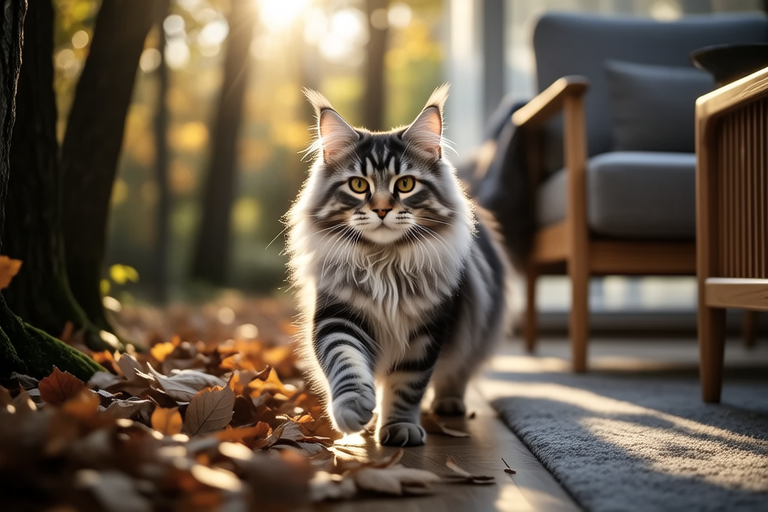
From Forests to Living Rooms: A Journey Through the Life of a Maine Coon
The Maine Coon is one of the oldest natural breeds in North America, with a rich history deeply rooted in the rugged landscapes of New England. This majestic feline, known for its robust physique and long, luxurious coat, has evolved from wild forest dwellers to cherished companions in modern living rooms. This article explores the journey of the Maine Coon, from its origins in the dense woodlands to its current status as a beloved pet.
Historical Origins and Natural Habitat
The exact origin of the Maine Coon is shrouded in legend, with tales ranging from matings between domestic cats and raccoons (which is biologically impossible) to more plausible theories involving ship cats from Europe. What is certain is that these cats thrived in the harsh New England climate, adapting to the cold and rugged terrain of the region’s forests. Their thick, water-resistant coats were perfectly suited to withstand the elements, while their large paws served as natural snowshoes.
Maine Coons were originally prized for their hunting skills, helping farmers and fishermen control rodent populations. Their intelligence and agility made them excellent hunters, capable of catching birds, mice, and even larger prey like rabbits. These qualities not only helped them survive in the wild but also endeared them to humans who valued their practicality and companionship.
Adaptation and Popularity as Pets
As time passed, the Maine Coon’s reputation as a skilled hunter gave way to its popularity as a companion animal. The breed’s gentle nature and playful demeanor made it a favorite among families. By the late 19th century, Maine Coons were being exhibited at cat shows, and their distinctive appearance began to draw attention from cat enthusiasts around the world.
In modern times, Maine Coons have adapted seamlessly to life in urban environments, thriving in the comfort of homes across the globe. Their large size, typically reaching up to 40 pounds, makes them a striking presence in any household. Despite their imposing stature, they are known for their calm and friendly disposition, making them ideal companions for both adults and children.
Notable Traits
One of the most recognizable features of the Maine Coon is its luxurious double coat, which varies in length from short to semi-long. The coat’s texture is silky and water-repellent, providing insulation against the elements. This characteristic is a direct result of their ancestors’ need to survive in the cold, wet forests of New England. Their coats come in a variety of colors and patterns, including tabby, tortoiseshell, and solid colors.
Maine Coons are also renowned for their large, tufted ears and bushy tails, which add to their overall regal appearance. Their eyes, typically green or gold, are expressive and often framed by long eyelashes. Another notable trait is their vocalization; Maine Coons are known for their chirping and trilling sounds, which they use to communicate with their human companions.
Health Concerns and Dietary Needs
Despite their robust appearance, Maine Coons are prone to certain health issues, particularly those related to their genetic makeup. One of the most common conditions is hip dysplasia, a hereditary disorder affecting the hip joint. Regular veterinary check-ups and a balanced diet can help manage this condition and maintain the cat’s mobility.
Another concern is cardiomyopathy, a heart disease that can affect Maine Coons. Early detection through regular cardiac examinations is crucial for managing this condition effectively. Additionally, Maine Coons may be susceptible to polycystic kidney disease, which can lead to kidney failure if left untreated.
Dietary considerations are essential for maintaining the health of Maine Coons. Their large size requires a high-protein diet, rich in quality meats. It is important to provide them with food that supports muscle development and maintains their energy levels. Fresh water should always be available, especially given their tendency to drink more water than other breeds. Avoiding overfeeding is key to preventing obesity, which can exacerbate health issues like arthritis and diabetes.
The Unique Bond with Human Companions
Maine Coons are not just pets; they are family members. Their gentle nature and affectionate behavior make them excellent companions. They enjoy spending time with their human families, often following them from room to room and seeking out laps for naps. Maine Coons are known for their loyalty and can form strong bonds with their owners, often showing signs of attachment similar to dogs.
These cats are highly adaptable and can adjust to various living situations, from busy households with children to quiet homes shared with other pets. Their intelligence allows them to learn tricks and respond to commands, adding to the joy of interacting with them. Maine Coons are also playful throughout their lives, often engaging in activities that keep them entertained and mentally stimulated.
Their role in family life extends beyond mere companionship. Many owners find that Maine Coons offer emotional support, providing comfort during difficult times. Their presence can help reduce stress and anxiety, contributing positively to the well-being of their human families.
Conclusion
The journey of the Maine Coon from the forests of New England to the comfort of modern living rooms is a testament to their adaptability and charm. From their origins as skilled hunters to their current status as beloved pets, these magnificent creatures have captured the hearts of many. Their distinctive appearance, gentle nature, and unique traits make them an exceptional choice for those seeking a loyal and loving companion.
For anyone considering welcoming a Maine Coon into their home, it is important to understand the responsibilities that come with owning such a special breed. Providing proper care, attention, and a nurturing environment will ensure that your Maine Coon thrives and continues to bring joy and warmth to your family for years to come.