
Adorable, Active, and Always Alert: Why Samoyeds Are Perfect Family Pets
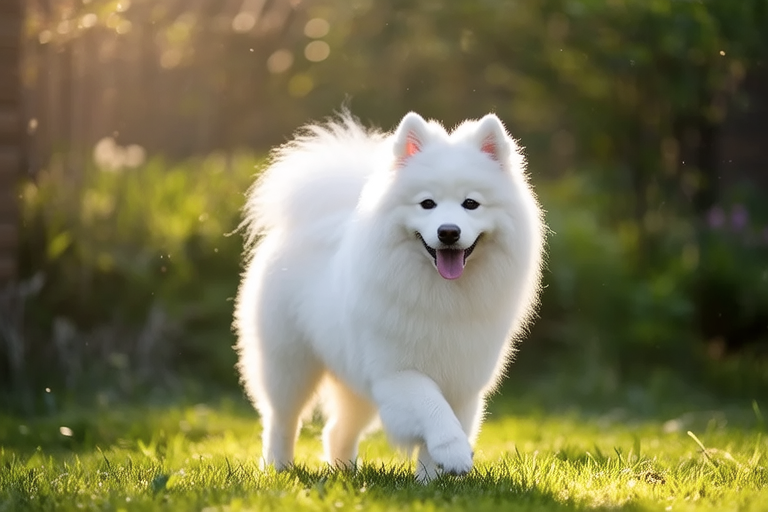
The Samoyed is a breed that has captured the hearts of many with its striking appearance and delightful personality. Known for their fluffy white coats and endearing smiles, these dogs are not just beautiful but also incredibly intelligent and loyal companions. This article will explore why Samoyeds are perfect family pets, delving into their physical characteristics, temperament, exercise needs, dietary requirements, grooming routines, training tips, and common health issues.
Introduction to the Samoyed Breed
The Samoyed, originally bred by the nomadic Samoyede people of Siberia, was used for herding reindeer, pulling sleds, and as a guard dog. These dogs have a thick, double-layered coat that provides insulation against harsh weather conditions. Their outer coat is long, straight, and water-repellent, while their undercoat is dense and soft. The combination of these two layers ensures that Samoyeds can withstand cold temperatures without getting wet or chilled. Their fur is predominantly white, though some may have biscuit-colored markings. The Samoyed’s face, particularly its muzzle, often appears to be smiling, giving them an approachable and friendly demeanor.
Temperament: Friendly and Gentle
Samoyeds are known for their friendly and gentle nature, making them excellent companions for families. They are highly social animals and thrive in environments where they can interact with humans and other animals. Their affectionate disposition means they form strong bonds with their owners, often following them around the house and seeking attention whenever possible. Despite their playful and sometimes mischievous tendencies, Samoyeds are generally well-behaved and rarely aggressive towards strangers or other pets.
Activity Levels and Exercise Needs
Samoyeds are an active breed that requires regular exercise to maintain their physical and mental well-being. They enjoy outdoor activities such as running, hiking, and playing fetch. Daily walks are essential, providing both physical stimulation and opportunities for social interaction. Mental stimulation is equally important, so puzzle toys and training sessions can help keep them engaged and prevent boredom-related behaviors. However, it is crucial to ensure that their exercise routine aligns with their energy levels, as overexertion can lead to exhaustion.
Dietary Needs
A balanced diet is vital for maintaining a Samoyed’s health and vitality. High-quality dog food rich in protein and fats, along with moderate carbohydrates, supports their active lifestyle. Omega-3 fatty acids, found in fish oil supplements, promote skin and coat health, which is especially beneficial given their thick fur. It’s important to monitor their weight, as obesity can lead to various health problems. Regular vet check-ups and consultations regarding their dietary needs can help ensure they receive the right nutrients.
Grooming Requirements
Grooming a Samoyed can be a time-consuming task due to their extensive coat. Weekly brushing is necessary to remove loose hair and prevent matting. During shedding seasons, daily brushing might be required to manage the amount of fur they release. Bathing should be done sparingly to avoid stripping their natural oils, typically once every few months. Additionally, regular nail trimming, ear cleaning, and dental care are essential aspects of their grooming routine. Professional grooming services can be helpful if you find it challenging to maintain their coat at home.
Training Tips
Training a Samoyed requires patience and consistency, as they can be stubborn and independent at times. Positive reinforcement methods, including treats and praise, work best when teaching new commands and tricks. Early socialization is crucial to ensure they grow up to be well-adjusted and confident dogs. Introducing them to different people, environments, and situations from a young age helps them develop good behavior and reduces the likelihood of fear-based aggression. Basic obedience training, such as sit, stay, come, and heel, should be established before moving on to more advanced commands.
Common Health Issues
Like all breeds, Samoyeds are prone to certain health conditions. Hip dysplasia, a genetic disorder affecting the hip joints, is one of the most common issues. Progressive retinal atrophy, a degenerative eye disease, can also affect their vision. Hypothyroidism, a condition where the thyroid gland doesn’t produce enough hormones, may cause weight gain and lethargy. Regular veterinary examinations and screenings can help detect these conditions early, allowing for prompt treatment and management.
Why Samoyeds Make Ideal Family Pets
Samoyeds possess several qualities that make them ideal family pets. Their loyalty and protective instincts create a sense of security for their human family members. They are naturally gentle and patient, which makes them excellent companions for children. Their compatibility with other pets further enhances their suitability as part of a multi-pet household. With proper care, training, and attention, Samoyeds can provide years of love, joy, and companionship to their families.
In conclusion, Samoyeds are adorable, active, and always alert dogs that bring immense happiness to their owners. Their friendly and gentle nature, combined with their high energy levels and need for social interaction, makes them perfect family pets. By understanding their specific needs and providing them with the care they deserve, you can ensure a lifetime of companionship and mutual affection. Adopting a Samoyed is not just a decision; it’s a commitment to a loving and loyal friend who will enrich your life in countless ways.