
Orange Cats in Pop Culture: From Movies to Memes
Orange cats have long been a beloved symbol in popular culture, appearing in movies, television shows, memes, and internet content. Their distinctive appearance, coupled with their unique personalities, has made them a favorite subject for creators and content producers. This article delves into the prevalence and significance of orange cats in various forms of media, analyzing their contribution to storytelling and viral trends.
The Appeal of Orange Cats
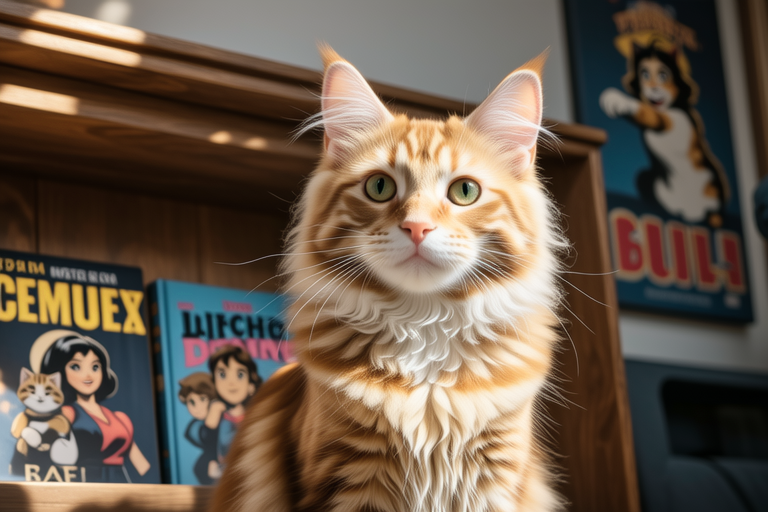
Orange cats, with their striking fur color, stand out in any setting. Their vibrant coats range from marmalade to pumpkin, and they often have green eyes, which add to their charm. These physical attributes make them easily recognizable and memorable, contributing to their widespread appeal. Additionally, orange cats are known for their friendly and sociable nature, making them ideal companions for humans and other pets alike. Their playful demeanor and affectionate behavior also make them popular subjects for content creators.
Orange Cats in Film
In cinema, orange cats have played significant roles, enhancing the narratives of various films. One notable example is Garfield, the iconic comic strip character brought to life on the big screen. The titular character, voiced by Bill Murray, is a lazy, sarcastic, and highly intelligent orange tabby who enjoys lasagna and naps. Garfield’s portrayal in the film series showcases the humor and relatability of orange cats, resonating with audiences of all ages. His interactions with Jon Arbuckle and Odie, the dog, highlight the complexities of human-animal relationships, adding depth to the story.
Another example is The Aristocats, a classic animated film from Walt Disney Pictures. Duchess, the lead female cat, is an elegant and refined orange tabby with a regal presence. Her character embodies grace and nobility, contrasting with her mischievous and adventurous side. Duchess’s journey with her kittens and the alley cats reflects themes of family, friendship, and overcoming adversity. Her orange coat and expressive eyes make her a standout character, captivating viewers and leaving a lasting impression.
Orange Cats in Television
Television series have also embraced orange cats, incorporating them into their plots and characters. One such example is Catwoman, where Selina Kyle, played by Halle Berry, owns an orange cat named Salem. Salem serves as a companion and confidant to Selina, providing emotional support and comic relief. The dynamic between Selina and Salem adds depth to the character’s development, showcasing her softer side and her connection to her feline friend. Salem’s presence also highlights the bond between humans and animals, emphasizing the importance of companionship and trust.
Another notable series is Park and Recreation, where Ron Swanson, portrayed by Nick Offerman, is a dedicated cat enthusiast who adores his orange tabby, Paws. Paws becomes a recurring character in the show, often featured in scenes with Ron, adding humor and warmth to the narrative. Ron’s love for Paws reflects his appreciation for simplicity and genuine connections, further enriching the character’s personality. Paws’ appearances in the series also foster a sense of community among fans, encouraging discussions about pet ownership and the joys of having a feline companion.
Orange Cats in Internet Culture
The rise of social media and the internet has given orange cats a new platform to shine. They have become viral sensations, capturing the hearts of millions worldwide. One famous example is Lil Bub, a unique orange cat with a rare condition called osteopetrosis, which affects her bones and teeth. Lil Bub’s distinctive appearance and charming personality have made her an internet sensation, amassing a large following on various platforms. Her story has inspired countless fans, highlighting the resilience and adaptability of animals, and promoting awareness for animal welfare and healthcare.
Another prominent figure in internet culture is Grumpy Cat, a short-legged orange tabby known for her perpetually grumpy expression. Grumpy Cat’s meme became a global phenomenon, spawning numerous parodies and imitations. Her distinctive features and seemingly disgruntled demeanor have struck a chord with audiences, tapping into the universal experience of feeling overwhelmed or frustrated. Grumpy Cat’s popularity underscores the power of relatable content and the ability of animals to connect with people on a deep emotional level.
Why Orange Cats Resonate with Audiences
The enduring appeal of orange cats can be attributed to several factors. Firstly, their striking appearance sets them apart from other cats, making them visually captivating and memorable. Secondly, their friendly and sociable nature fosters a sense of connection and companionship, resonating with audiences seeking emotional fulfillment. Lastly, their adaptability and resilience in various environments and situations showcase their versatility and strength, inspiring admiration and respect.
Moreover, orange cats often embody key themes in storytelling, such as family, friendship, and overcoming adversity. Their roles in films, television shows, and internet content reflect these themes, adding depth and meaning to the narratives. Whether serving as comedic relief, confidants, or central characters, orange cats play a crucial role in shaping the stories and experiences of audiences.
Conclusion
Orange cats have cemented their place in pop culture, appearing in various forms of media and captivating audiences worldwide. Their distinctive appearance, friendly nature, and versatile roles make them ideal subjects for creators and content producers. From movies like Garfield and The Aristocats to television series such as Park and Recreation and internet sensations like Lil Bub and Grumpy Cat, orange cats continue to inspire and entertain. As cultural symbols, they represent the power of companionship, resilience, and adaptability, resonating with audiences across different platforms and generations.