
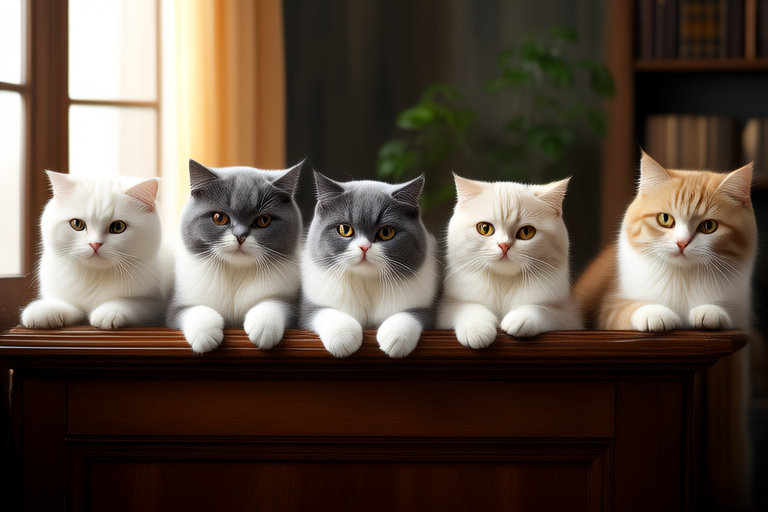
Meet the Moppets: Inside the Quirky Lives of Scottish Folds
Scottish Fold cats have captured the hearts of cat enthusiasts around the world with their unique folded ears and charming personalities. These adorable felines, often referred to as moppets, have become a popular breed due to their distinct appearance and loving nature. In this article, we will delve into the fascinating world of Scottish Folds, exploring their physical traits, temperament, health concerns, and care tips. We’ll also share some interesting facts about their origins and the story behind their distinctive folded ears.
The Unique Physical Traits of Scottish Folds
One of the most striking features of Scottish Fold cats is their folded ears, which give them a curious and somewhat owl-like appearance. This genetic mutation causes the cartilage in their ears to fold forward and downward, creating a distinctive look that sets them apart from other breeds. Not all Scottish Fold kittens are born with folded ears; in fact, about half of them have straight ears, while the others develop folded ears as they grow older. The folded ear trait is dominant, meaning that if one parent carries the gene for folded ears, there’s a high chance the kittens will inherit it.
Besides their folded ears, Scottish Folds have a round face, large expressive eyes, and a compact, well-balanced body. Their coats come in various lengths and colors, making each individual unique. Their short-haired counterparts have a plush, dense coat, while long-haired Scottish Folds, known as Highland folds, boast a luxurious, silky fur that requires regular grooming. Despite their diverse appearances, all Scottish Folds share a certain charm that makes them irresistible to cat lovers.
The Personality and Temperament of Scottish Folds
Scottish Folds are known for their friendly and affectionate nature, making them excellent companions for families and individuals alike. They are generally calm and easygoing, enjoying the company of their human family members and often seeking out attention and cuddles. These cats are highly adaptable and can thrive in various living situations, whether it’s a bustling household with children and other pets or a quiet home environment.
One of the most endearing qualities of Scottish Folds is their curiosity and playfulness. They enjoy interactive toys and games, and many owners report that their cats are always up for a game of fetch or a session of laser pointer fun. Their intelligence and problem-solving skills make them entertaining to watch as they figure out how to reach treats or open doors. However, despite their playful nature, Scottish Folds are not overly demanding and tend to be content with quiet moments spent lounging in a sunny spot or watching the world go by from a cozy perch.
Many owners have shared heartwarming stories about their Scottish Folds’ personalities. One owner, Sarah, recalls how her cat, Whiskers, would follow her everywhere she went, even into the bathroom. “He’d sit outside the door and wait for me to finish,” she says, “then he’d curl up next to me on the bed for hours.” Another owner, Tom, speaks fondly of his cat, Fluffy, who has a habit of greeting him at the door every evening. “She’ll run up to me, purring loudly, and nudge my hand with her head,” he says. “It’s like having a little greeter at home.”
Common Health Issues in Scottish Folds
While Scottish Folds are generally healthy cats, they are prone to certain health issues due to their genetic makeup. One of the most significant concerns for this breed is osteochondrodysplasia, a condition that affects the development of bones and cartilage. This condition can lead to joint problems, including arthritis, which may cause discomfort and mobility issues in affected cats. Regular veterinary check-ups and early intervention can help manage these conditions and ensure your Scottish Fold lives a comfortable life.
In addition to joint problems, Scottish Folds may also be susceptible to ear infections due to their folded ears. The crease in their ears can trap moisture and debris, creating an ideal environment for bacteria and fungi to grow. To prevent ear infections, it’s essential to clean your cat’s ears regularly and keep them dry after baths or swimming. If you notice any signs of infection, such as redness, swelling, or discharge, consult your veterinarian for appropriate treatment.
Care Tips for Scottish Folds
Caring for a Scottish Fold cat involves providing proper nutrition, regular grooming, and maintaining a stimulating environment. A balanced diet rich in protein and essential nutrients is crucial for maintaining your cat’s overall health and well-being. Consult with your veterinarian to determine the best food options for your cat based on their age, weight, and activity level.
Grooming is another important aspect of caring for a Scottish Fold. Short-haired cats require weekly brushing to remove loose hair and prevent matting, while long-haired Scottish Folds need daily grooming to keep their coats tangle-free and shiny. Pay special attention to their ears during grooming sessions, gently cleaning the inside of the ears with a soft cloth or cotton ball dampened with a pet-safe ear cleaner.
To keep your Scottish Fold happy and healthy, provide plenty of mental and physical stimulation through interactive toys, scratching posts, and climbing structures. Rotate toys periodically to keep your cat interested and engaged. Additionally, consider incorporating puzzle feeders or treat-dispensing toys to encourage your cat to use its natural hunting instincts.
The Origin and Evolution of Scottish Folds
The history of Scottish Folds dates back to 1961 when a barn cat named Susie was discovered in Scotland. Susie had unusual folded ears, and her offspring inherited this trait. A local shepherd, William Ross, noticed Susie and became fascinated by her unique appearance. He bred Susie with a local tomcat and began developing the Scottish Fold breed.
The breed gained popularity in the United States in the 1970s, and today, Scottish Folds can be found in households and shelters across the globe. Despite their widespread appeal, breeding practices have been controversial due to concerns about the health risks associated with the folded ear gene. As a result, responsible breeders focus on breeding cats with straight ears to reduce the incidence of osteochondrodysplasia and other related health issues.
Adopting a Scottish Fold
If you’re considering adopting a Scottish Fold, there are several factors to keep in mind. First, research reputable breeders or shelters that prioritize the health and well-being of their cats. Look for breeders who perform genetic testing and provide documentation of health clearances for their breeding cats. When adopting from a shelter, ask about the cat’s background and any specific needs it may have.
Once you’ve brought your new Scottish Fold home, take time to acclimate them to their new environment. Provide a safe space where they can retreat if they feel overwhelmed, and gradually introduce them to other household members and pets. Patience and consistency are key during this transition period. With proper care and attention, your Scottish Fold will soon settle into their new home and become a cherished member of your family.
Scottish Folds are truly remarkable cats with their unique appearance and delightful personalities. By understanding their needs and providing them with love and care, you can ensure a lifetime of happiness for both you and your furry friend. Whether you’re a seasoned cat lover or a first-time pet owner, a Scottish Fold could be the perfect companion for you. Adopt one today and experience the joy and charm of these quirky moppets firsthand.