
Heterometrus Spinifer Uncovered: Facts, Myths, and Everything You Need to Know
Heterometrus spinifer, commonly known as the Asian forest scorpion or the spiny forest scorpion, is a fascinating arachnid that has intrigued scientists and nature enthusiasts alike. This species, native to Southeast Asia, is part of the family Scorpionidae and is well-known for its unique physical features and behaviors. Found primarily in tropical rainforests and humid environments, Heterometrus spinifer plays a crucial role in its ecosystem. This article aims to uncover the facts, dispel myths, and provide you with everything you need to know about this remarkable creature.
Introduction to Heterometrus Spinifer
Heterometrus spinifer is one of the larger scorpions, reaching lengths of up to 9 inches (23 cm). It is named for the distinct spines found on its tail, which are used for defense and hunting. The scorpion’s common names, such as the Asian forest scorpion or the spiny forest scorpion, reflect its primary habitats in the dense forests of Southeast Asia, including regions of Thailand, Malaysia, and Indonesia. These environments provide ideal conditions for Heterometrus spinifer, with high humidity levels and abundant prey.
Physical Characteristics
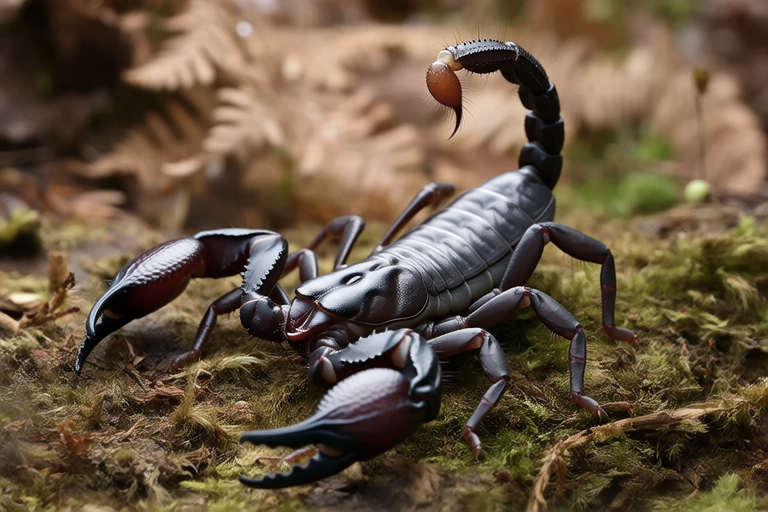
The most striking feature of Heterometrus spinifer is its robust appearance. It possesses a large, segmented body with eight legs and a pair of pincers at the front. Its body color varies from dark brown to black, providing excellent camouflage in its natural habitat. The tail, or metasoma, is adorned with spines, giving the scorpion its characteristic appearance. These spines serve both defensive and offensive purposes. Additionally, the scorpion has two eyes on the top of its carapace and three ocelli on each side, allowing it to detect light and movement effectively.
Behavior and Diet
Heterometrus spinifer is a nocturnal predator, active during the night when temperatures are cooler and prey is more abundant. It uses its keen senses to locate insects, small vertebrates, and other invertebrates. The scorpion’s venomous sting is used both for subduing prey and defending itself against predators. When hunting, it employs a combination of ambush tactics and rapid movements to catch its target. Once captured, the prey is injected with venom through the stinger, immobilizing it before being consumed.
Despite their fearsome reputation, these scorpions are generally docile and prefer to avoid confrontation. They will only sting if they feel threatened or cornered. In the wild, they often seek shelter under rocks, logs, or in crevices, where they can remain hidden during the day. Their nocturnal habits and preference for solitude make them elusive creatures, adding to their mystique.
Lifecycle
The lifecycle of Heterometrus spinifer begins with mating, which typically occurs in the warmer months. Males perform a complex courtship ritual involving tactile communication and pheromones to attract females. After successful mating, the female carries the fertilized eggs inside her body for several months. When the eggs are ready to hatch, she gives birth to live young, usually numbering between 20 and 40 offspring. The newborn scorpions, called scorplings, ride on their mother’s back for the first few days until they are capable of fending for themselves.
The scorplings undergo multiple molts as they grow, shedding their exoskeletons to accommodate their increasing size. Each molt brings them closer to adulthood, a process that takes approximately two years. Once mature, Heterometrus spinifer can live for up to five years, during which time they continue to grow and reproduce.
Facts vs. Myths
One of the most pervasive myths about Heterometrus spinifer is that its venom is highly dangerous to humans. While it is true that the venom can cause pain and discomfort, it is generally considered non-lethal to healthy adults. The severity of the reaction depends on individual sensitivity and the amount of venom injected. Another myth is that scorpions always carry their young on their backs. While mothers do initially transport their scorplings, this behavior ceases once the young have molted and become independent.
Contrary to popular belief, scorpions do not actively seek out human interaction. Their aggressive behavior is largely a result of feeling threatened. Understanding these facts helps demystify the creature and fosters respect rather than fear.
Ecosystem Role and Conservation Status
In its natural habitat, Heterometrus spinifer plays a vital role in controlling insect populations. By preying on various species, it helps maintain ecological balance. However, due to habitat destruction and deforestation, many species, including Heterometrus spinifer, face threats to their survival. Currently, there is no specific conservation status for this species, but efforts to protect its habitat are essential for ensuring its continued existence.
Conservation initiatives often focus on preserving the tropical rainforests where these scorpions thrive. By protecting these environments, we not only safeguard Heterometrus spinifer but also countless other species that depend on these ecosystems.
Safety Tips for Encounters
If you encounter a Heterometrus spinifer, it is important to remain calm and avoid sudden movements. Approach the scorpion slowly and carefully, giving it plenty of space. Do not attempt to handle or provoke the animal, as this could lead to a defensive response. If stung, seek medical attention immediately. Pain relief and antihistamines may be necessary to manage symptoms, though severe reactions are rare.
Further Learning Resources
To learn more about Heterometrus spinifer and other fascinating creatures, consider exploring books, documentaries, and reputable websites dedicated to entomology and wildlife conservation. Local museums and zoos often offer exhibits and guided tours that provide valuable insights into the lives of these animals. Engaging with experts in the field can also deepen your understanding and appreciation of these remarkable creatures.
In conclusion, Heterometrus spinifer is a captivating and misunderstood species that deserves our admiration and protection. By understanding its unique characteristics and behaviors, we can foster a greater appreciation for the biodiversity that enriches our world.